





Summary of this article
When done right, how an office is set up can actually affect how well people work, how teams get along, and how a company keeps its costs in check.
Research shows that workplaces designed for hybrid and flexible work can really boost performance.
Companies nowadays use data to track how spaces are being used and tweak strategies accordingly.
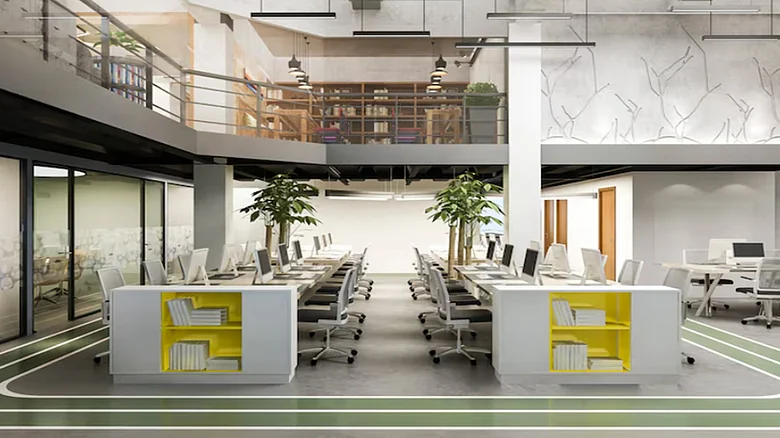
Workspace design isn’t just about looking good or following the latest trends anymore. It has now become a key business decision. When done right, how an office is set up can actually affect how well people work, how teams get along, and how a company keeps its costs in check. There’s a lot of evidence that points to this change. Research shows that workplaces designed for hybrid and flexible work can really boost performance. When people have spaces that allow for both focused tasks and collaboration, they tend to do better.
Hybrid work has also shifted how companies view costs and space. Studies from around the world suggest that businesses that adopt flexible work models often see an increase in productivity. This improvement usually comes from fewer distractions, making better use of focused time, and less fatigue from commuting. Over time, this can lead to better employee retention and lower hiring costs, which are both critical for a company’s financial health.
“Then there’s the real estate piece. With better planning and some hybrid strategies, businesses can cut operating costs by around 30 per cent and boost space efficiency by 25 per cent. Instead of having rows of desks that hardly get used, companies are shifting to create collaboration zones, meeting spaces, and environments that serve specific purposes. It’s really about making the workplace fit how people actually work now, not how we used to do things,” says Rajat Kapur, regional managing director, North India, The Executive Centre, a premium flexible workspace provider operating across 15 markets worldwide.
However, bad design can really cost companies. A study from the UK by Mitie, a facilities transportation company, titled The Productivity Reset: Why The Workplace Must Change found that workers waste up to 68 minutes a week in inefficient work settings. When you think about it across different industries, that adds up to billions lost in productivity every year. Even though such costs do not show on the balance sheet, they affect employees’ performance and morale.
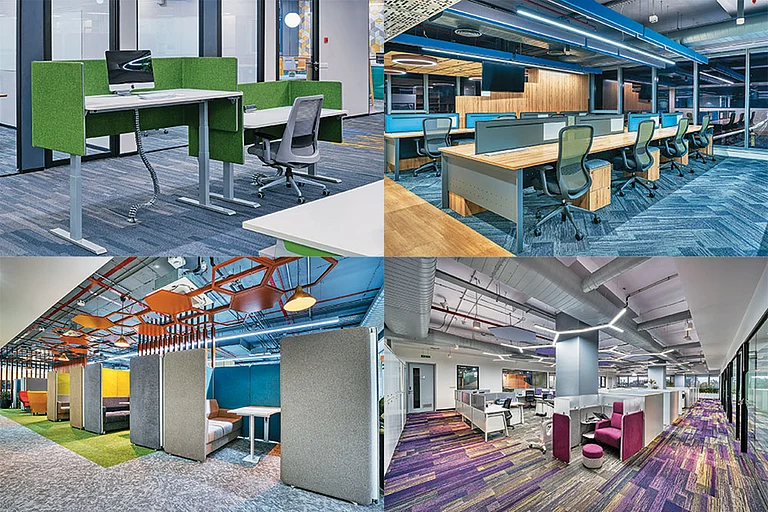
Design is an integral part of employee well-being. Simple things like ergonomic furniture, natural light, good sound planning, and different spaces like a lounge, phone booths can help reduce stress and improve performance. When employees feel comfortable and supported in their spaces, they tend to engage more, the study says. Over time, this leads to better results, fewer absences, and greater satisfaction.
“The right workspace can really boost culture and adaptability. Offices that are thoughtfully designed and are supported by technology and flexible policies have a higher chance of attracting talent and innovation. Companies nowadays use data to track how spaces are being used and tweak strategies accordingly, making sure that spaces are used well and not just filled,” says Kapur.
Cherryn Dogra, chief marketing officer, Bharti Real Estate, added that five years ago, workplace strategy was largely defined by capacity planning and static layouts. But today, the conversation has fundamentally shifted. Organisations are seeking environments that adapt to the ‘anytime, anywhere’ rhythm of hybrid workspaces that seamlessly support focused work, collaboration, learning, and social engagement within the same ecosystem.
“The office is no longer just a collection of desks; it is an experience hub. Employers are carefully evaluating flexible floor plates, ease of commute, technology integration, shared social infrastructure, and access to wellness-oriented amenities. Holistic wellbeing – physical, mental, and social – has moved from being aspirational to essential. When workspace design aligns with these realities, utilisation improves naturally and long-term efficiency follows. Forward-looking business districts that prioritise adaptability, accessibility, and experience will continue to stay relevant in an evolving world of work.”
Workspace design, therefore, is no longer merely a cost; it is a strategic asset. When spaces are built around what people need, as the study shows, they can increase productivity, support long-term sustainability, and reduce inefficiencies.





