





Summary of this article
Per capita income rose nearly 10-fold since 1981
Faster economic growth and lower population boosted incomes
Growth pace accelerated significantly over the past two decades
Per capita income has shown a significant increase in the last four decades, driven by faster economic growth and gradual deceleration of population growth rate, said Reserve Bank of India (RBI) Deputy Governor Poonam Gupta.
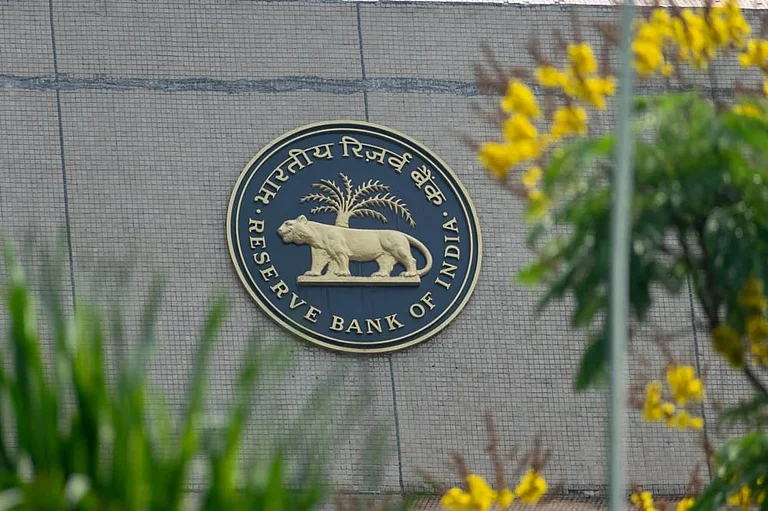
Speaking at the 14th foundation day lecture at the Centre for Development Studies (CDS) in Thiruvananthapuram, Gupta said that per capita income has increased from $274 in 1981 and USD 306 in 1991 to about USD 2,700 in 2024, registering a nearly 10-fold increase.
She noted that the rate of increase of per capita income has picked up over time. From 1981, it took some 23 years for per capita income to double. In comparison, during the next 22 years, it grew almost fivefold.
Growth In Per Capita Income Outpaces GDP
Gupta stated that the increase in per capita income growth has been faster than growth in Gross Domestic Product (GDP). This shows an aggregate impact of economic expansion and reduced population growth over the same period.
She said that economic growth has been improving gradually over the decades. The average growth rate was 5.7 per cent in the 1980s, which increased to 5.8 per cent in the 1990s. It further increased to 6.3 per cent in the 2000s and 6.6 per cent in the 2010s. However, in the last four years, the average growth rate has been 7.7 per cent, excluding the Covid years of 2020-21 and 2021-22.
She further added that the ten-year rolling averages of annual GDP growth rates establish the trend of acceleration without periods of stagnation or negative growth.
Population Growth Moderation Helps Income Gains
According to Gupta, a decline in population growth has played an important role in increasing the per capita income. While the population grew at a higher rate than the rest of the world in the past, this has decreased over time.
She said that since 2014, population growth has been broadly in line with global population growth. The country has also experienced a rapid drop in fertility rates since the 1980s.
Global Share And Relative Income Improves
Gupta said that since the early 1990s, the economy has been growing faster than the global average, so that the share in the global economy has increased. The share jumped from about 1.1 per cent in 1991 to 3.5 per cent in 2024.
She also mentioned that per capita GDP as a percentage of global per capita GDP has increased from approximately 7 per cent in 1991 to near 20 per cent in 2024 in current dollar terms.
In purchasing power parity (PPP) terms, she said, the relative per capita GDP is higher.
Outlook For Growth In Per Capita Income
Referring to projections of the International Monetary Fund (IMF) World Economic Outlook of October 2025, Gupta said per capita income is expected to rise to USD 2,818 in 2025, USD 3,051 in 2026, and USD 4,346 by 2030.
She added that even in 2030, when the economy is projected to be USD 6 trillion, the country will not yet be a middle income economy.





