





Summary of this article
Social proof and the “halo effect” trick us into trusting influencers: if someone is good at content creation, we assume they’re good at investing.
Quality financial content explains concepts, highlights trade-offs, encourages research, and discloses conflicts. Short videos can spark curiosity, but they cannot replace thorough due diligence.
For major decisions like retirement, portfolio construction, insurance, taking professional guidance is a safeguard, not a luxury.
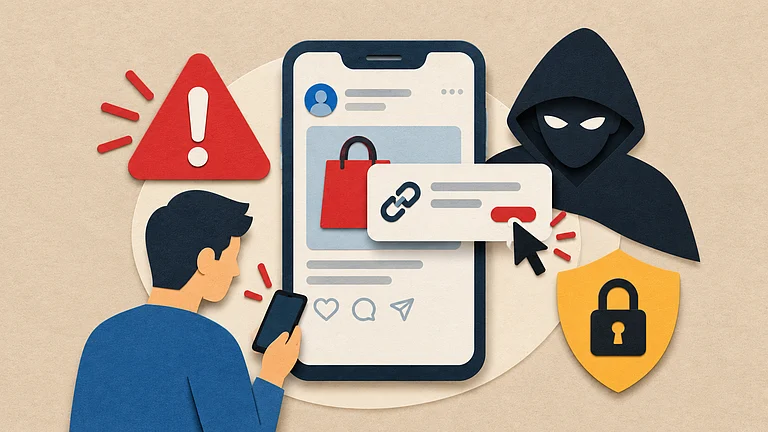
Ms Jain was scrolling through Instagram during lunch when a finance influencer’s reel caught her eye. With 800,000 followers, he promised a “foolproof” way to double money in six months through a small-cap stock. By evening, she had invested Rs 2 lakh - her entire emergency fund - without researching the company, its fundamentals, or whether it suited her risk profile. Six months later, the stock had crashed 60 per cent. Her Rs 2 lakh had become Rs 80,000.
The New Age Of Financial Advice
Financial information has never been more accessible. Finfluencers break down complex topics, making investing relatable and understandable. According to SEBI’s recent studies, about 91 per cent of individual retail traders in the equity derivatives segment incurred net losses in FY 25, with total losses exceeding Rs 1.05 lakh crore and average loss per trader around Rs 1.1 lakh, a sobering trend continuing year after year. Various surveys also indicate that roughly 67 per cent of people find influencer financial content helpful for understanding concepts, but about 32 per cent act on such advice without verifying it, a behavior gap that can expose investors to risk.

Why We Fall For It
Psychology explains a lot. Social proof and the “halo effect” trick us into trusting influencers: if someone is good at content creation, we assume they’re good at investing. Algorithms amplify sensational tips, not slow-and-steady guidance. Former SEBI Chairperson Madhabi Puri Buch had said, “Financial advice cannot be entertainment - it carries a duty of responsibility.” Yet social media often presents it as just that: flashy, attention-grabbing entertainment.
The Filter: Five Questions Before You Act
1. Is the person qualified? First of all, you need to verify if they’re a SEBI-registered investment advisor or hold relevant certifications such as a CA, CFP, or ICoFP certificate. Unregistered advisors operate in a regulatory grey zone. Sanjiv Bajaj, Joint Chairman and MD at Bajaj Capital, says, “Trust in financial guidance comes from accountability and qualifications, not social media fame.”
2. Education or sales pitch? Genuine content teaches concepts. Paid promotions or product endorsements without disclosure are red flags.
3. Does it fit my situation? Check if the advice is suitable for you or not. Generic advice can be dangerous. Personal goals, risk tolerance, and financial context matter.
4. What’s the track record? Social media shows wins, rarely losses. Survivorship bias hides reality. Ask for complete, verifiable history before trusting tips.
5. Would I act without this content? If the answer is no, pause. Impulse investing often leads to losses.
What Good Content Looks Like
Quality financial content explains concepts, highlights trade-offs, encourages research, and discloses conflicts. Short videos can spark curiosity, but they cannot replace thorough due diligence.
The Professional Advice Alternative
“Various surveys show a significant portion of Indians who seek professional financial planning feel more financially confident and secure. For example, around 75 per cent of those advised reported greater confidence in their decisions, and many said planning improved their overall quality of life,” says Bajaj.
SEBI-registered advisors and ICoFP-certified planners operate under fiduciary duty, putting your interests first.
For major decisions like retirement, portfolio construction, insurance, taking professional guidance is a safeguard, not a luxury. Bajaj notes, “Professional advice doesn’t promise quick wins; it creates a plan that matches your life, your goals, and your risk profile.”



A Balanced Approach
Six months after her loss, Ms. Jain changed course. She still followed influencers, but only for education. For investing, she consulted a SEBI-registered advisor, building a diversified portfolio aligned with her goals and risk tolerance. “I don’t blame the influencer anymore,” she said. “He was creating content for views. I was the one who confused entertainment with advice.”
Financial influencers aren’t going away, nor should they. They democratize knowledge. But with access comes responsibility, both for creators and consumers. Followers don’t equal expertise; engagement doesn’t equal accuracy; popularity doesn’t equal reliability. Use social media to learn. Make decisions with verified, personalised, accountable guidance. If it doesn’t know you, it cannot advise you.





