

Summary of this article
Only 20 per cent of Indian women have adequate health insurance cover
Nearly 80 per cent lack policies above Rs 20 lakh, risking underinsurance
Women form 47 per cent of insured population but remain financially vulnerable
High out-of-pocket costs and delayed diagnosis widen health risk gap
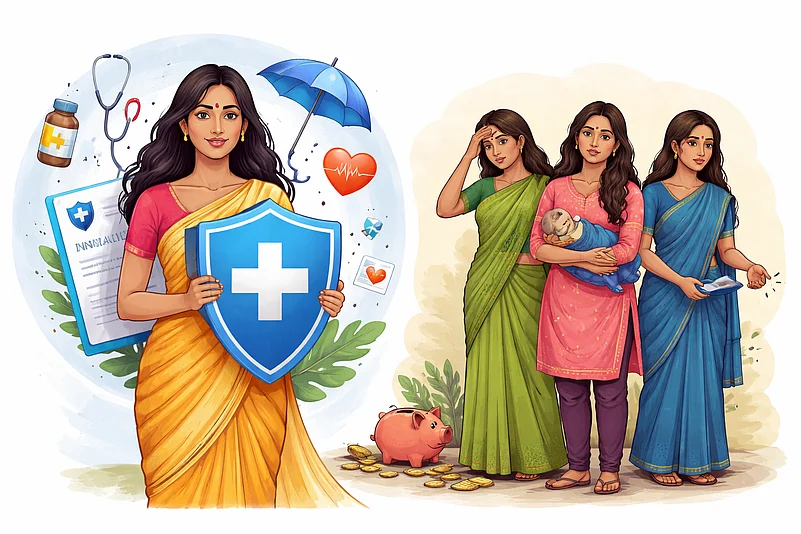
Even as conversations around women’s health and empowerment gain prominence, financial protection against medical risks remains worryingly low for many women in India. A recent survey by TATA AIG General Insurance Company indicates that only around 20 per cent of women in the country have health insurance coverage that can be considered adequate.
The findings highlight a gap between women’s growing interaction with the healthcare system and the financial preparedness required to deal with serious illnesses. Interestingly, women make up nearly 47 per cent of India’s insured population, yet a large proportion of them continue to remain underinsured when it comes to major medical treatments.
Most Women Lack High-Value Coverage
The survey suggests that close to 80 per cent of women in India do not have health insurance cover of more than Rs 20 lakh. This level of coverage may prove insufficient if a person is diagnosed with major illnesses such as cancer or requires complex cardiac procedures.

3 September 2026
Get the latest issue of Outlook Money

Medical costs for such conditions have risen sharply in recent years. Treatments involving surgery, prolonged hospital stays, specialised medicines, and follow-up care can quickly exceed basic coverage limits. If insurance cover is inadequate, the cost of treatment often ends up being met through personal savings or, in many cases, by taking loans or borrowing from others.
The gap becomes even more noticeable when viewed against the backdrop of women’s increasing use of healthcare services. Data from the National Family Health Survey (NFHS-5) shows that institutional deliveries in India have climbed to 88.6 per cent. At the same time, 58.1 per cent of women said they had gone for at least four antenatal check-ups during pregnancy.
The figures show that more women are now turning to hospitals and clinics for care, including preventive check-ups. Yet, insurance coverage has not grown quickly enough to match this rising use of healthcare services.
Out-Of-Pocket Spending Still Significant
Another issue is that a large part of medical spending in India still has to be paid directly by patients and their families. Data from the National Health Accounts for 2021–22 shows that about 39.4 per cent of the country’s total healthcare expenditure continues to come from out-of-pocket payments.
While this share has come down compared with a decade ago, it is still fairly high. For women, who tend to live longer and may deal with health issues over many years, limited insurance cover can leave them more exposed to medical expenses.
Chronic or long-term illnesses often mean frequent doctor visits, regular medicines, and ongoing tests or monitoring, all of which can steadily add to a household’s medical expenses.
Gender Gap In Cardiac Care
The survey also draws attention to differences in how heart-related ailments are recognised and treated in women. While cardiovascular disease has traditionally been seen as a male health issue, doctors say the risk among women is now comparable.
About 34 per cent of cardiologists surveyed said women today face cardiac risks similar to men. However, nearly half of them also pointed out that symptoms in women are frequently overlooked or mistaken for other health problems.
One reason is that heart trouble in women does not always show up in the same way it often does in men, where chest pain is the most recognised sign.
Women may instead experience fatigue, nausea, dizziness, or general discomfort. Because these symptoms can appear less dramatic, diagnosis may sometimes be delayed.
Commenting on the findings, Rajagopal Rudraraju, head, consumer business claims, TATA AIG General Insurance Company, said the data highlights the importance of stronger financial preparedness among women.
According to him, while participation in health insurance among women is encouraging, the relatively low levels of coverage and policy retention show that many remain inadequately protected. He added that improving access to preventive healthcare and encouraging adequate insurance coverage will be important for safeguarding women’s health as well as strengthening the broader healthcare system.