Summary of this article
Insurer complaint ratios offer better comparison than absolute grievance numbers
Claim rejection, partial settlement and delays reveal important service quality trends
Claim settlement ratio alone may not capture deductions or servicing problems
Irdai and Insurance Ombudsman data can help compare insurer complaint records
Finding a safe parking spot is increasingly difficult in crowded Indian cities. Cars are often left on roadsides, in no-parking zones or in locations exposed to theft, flooding, falling trees and accidental damage.
While a comprehensive motor insurance policy covers several such risks, where and how a vehicle was parked can become relevant when an insurer examines a claim. Parking in a high-risk or unauthorised zone does not automatically invalidate a claim, but it can create complications if the circumstances suggest that the owner knowingly exposed the vehicle to avoidable risk.
Unsafe Parking Can Complicate A Claim
A standard comprehensive policy covers theft and malicious damage. However, insurers may examine the circumstances closely if a vehicle is stolen or damaged after being parked in a known illegal or restricted spot.
“Parking in a high-risk or unauthorised zone doesn’t automatically invalidate your claim, but it definitely creates complications. If your car is stolen or damaged in a known illegal spot, insurers look closely at the element of foreseeable risk,” says Atrey Bhardwaj, Chief Growth Officer, Probus.
If the policyholder knowingly ignored clear safety warnings or local bylaws, the claim could face a prolonged investigation or a deduction for contributory negligence.
Motor policies also require vehicle owners to take reasonable care of their vehicles. An insurer can reduce or reject a payout if there is clear evidence that the parking choice directly caused the damage or theft.
Leaving the keys in the ignition during a quick errand is one example. If the vehicle is stolen in such circumstances, the insurer may view it as gross negligence. Simple careless parking, however, does not mean an automatic rejection. The insurer must establish that the carelessness was the actual trigger for the loss.
What Parking-Related Damage Is Covered?
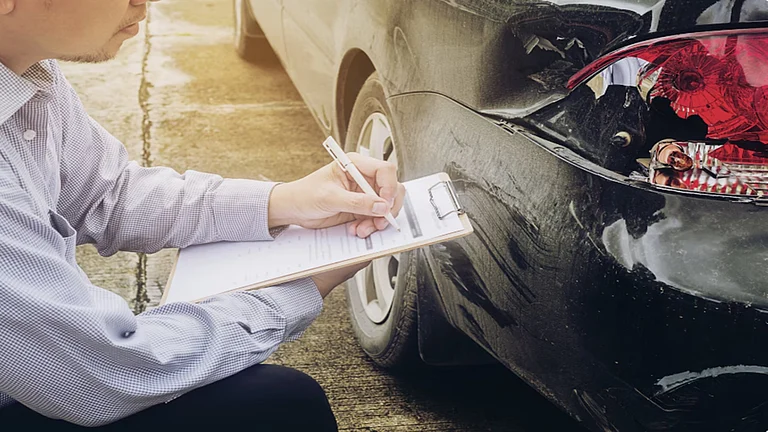
A comprehensive motor insurance policy generally covers common parking-related incidents such as another vehicle scraping the bumper while reversing, vandalism, or a tree branch falling on the car during a storm.
“Damage caused by flooding or waterlogging may also be covered under the own-damage section, subject to the policy terms and circumstances of the loss. Just keep in mind that you may still have to pay for depreciation,” says Bhardwaj.
Depreciation on certain parts can therefore leave the policyholder paying part of the repair bill. A Zero Depreciation add-on can help avoid that expense, subject to its terms and conditions.
For vehicle owners, the practical takeaway is to avoid clearly restricted or unsafe parking spots wherever possible and take reasonable precautions to protect the car. Coverage may exist, but negligence can make a straightforward claim far more difficult.
FAQs
Can an insurer reject a claim because the car was parked illegally?
Illegal or unsafe parking does not automatically invalidate a claim. However, the insurer may reduce or reject it if negligence directly contributed to the loss.
Does comprehensive car insurance cover damage while the vehicle is parked?
Yes. It generally covers incidents such as theft, vandalism, accidental damage, falling objects and flood-related damage, subject to policy terms.
Can depreciation reduce the amount paid for a parking-related claim?
Yes. Depreciation may apply to certain replaced parts. A Zero Depreciation add-on can reduce this out-of-pocket cost, subject to its terms.