





Summary of this article
Young earner’s Rs 1 lakh salary leaves limited monthly savings
Emergency fund should come before aggressive retirement investing
Family support makes health and term insurance important
Regular saving habits matter more than chasing perfect investment products
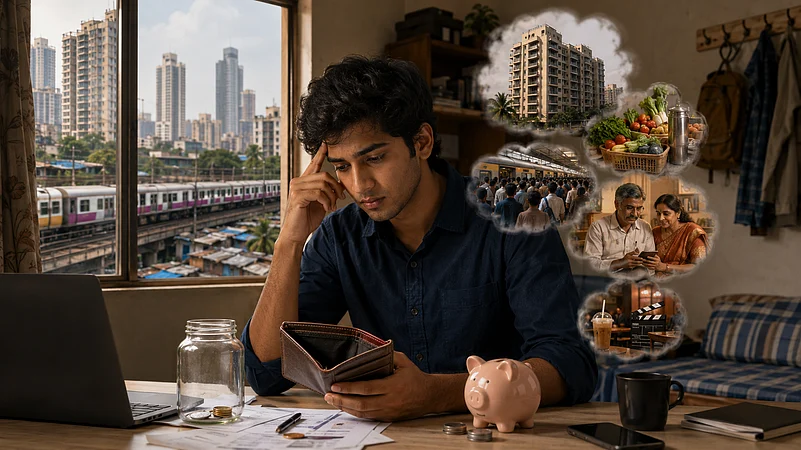
A 22-year-old starting his first job in Mumbai has put out a money problem online that many young earners may quietly relate to. In a post on Reddit, he mentioned that his salary will be around Rs 1 lakh a month. On paper, that looks like a comfortable start. In a city like Mumbai, however, the number begins to shrink as soon as rent, food, travel, and family support are added.
His rough monthly plan is this: Rs 30,000 for rent, Rs 20,000 for regular expenses, and Rs 30,000 to be sent home. That leaves about Rs 20,000 at the end of the month. His question was where this money should go and whether he should begin planning for retirement right away.
The discussion is useful because it shows how financial planning looks very different when a person is not only earning for himself, but also helping the family. A Rs 1 lakh salary may sound large to someone still in college, but for a young worker living away from home, supporting parents, and building a future from scratch, the room for error can be small.

3 September 2026
Get the latest issue of Outlook Money

First Salary, First Reality Check
The first few years of working life are usually full of competing demands. There is rent to pay, deposits to arrange, office clothes to buy, travel costs to manage, and sometimes pressure to upgrade lifestyle after years of student life. For those supporting their families, the salary has another fixed outgoing before any personal goals are considered.
That is why the remaining Rs 20,000 should not be treated casually. It is not just spare money. It is the young earner’s safety cushion, future capital, and financial discipline rolled into one, according to a recent report by Business Today.
The first goal should be an emergency fund. This is not exciting, but it is necessary. A young worker in a new city can face sudden expenses such as job change, medical bills, shifting costs, travel home, or a gap between salaries. Without a small reserve, even a person earning well can end up using credit cards or personal loans.
Ideally, he should build a fund that can cover a few months of expenses. Since his monthly commitments are high, this may not happen quickly. But even saving steadily for the first six to twelve months can bring some breathing space.
Do Not Rush Into Locking Money Away
Retirement planning at 22 is a good instinct, but it should not come at the cost of liquidity. Money locked away too early may not help if there is an emergency next month. Long-term investments work best when the investor is not forced to break them midway.
A practical split may work better. A part of the Rs 20,000 can go into an emergency fund until it becomes meaningful. Another part can go into a systematic investment plan in an equity mutual fund for long-term goals. A smaller portion may be considered for instruments such as Public Provident Fund (PPF) or National Pension Scheme (NPS), depending on his tax position and comfort with lock-in.
At this age, the main focus should be on building habits rather than chasing perfect products. If he can save regularly, avoid debt, and increase his income over time, the results can be far stronger than trying to find the highest-return option in the first month of work.
Family Support Makes Insurance Important
There is another point that should not be missed. If Rs 30,000 is going home every month, the family is clearly part of his financial plan. That makes insurance important.
He should first check whether his employer’s health insurance covers his parents. If it does, he should look at the sum insured, room rent conditions, waiting periods, co-payment clauses, and exclusions. If the cover is small or parents are not included, a separate health insurance plan may be needed. Premiums for parents can be high, but one hospital bill can wipe out months of savings.
A basic term insurance cover may also be worth looking at if his family depends on his income. At 22, premiums are usually lower, but the cover should be based on actual need. Buying insurance blindly just because it is cheap is not useful.
The young earner’s situation also carries a larger lesson. A good salary is only the starting point. What matters is how much is left after fixed expenses, whether the family is protected, and whether money is being set aside with some discipline.
For someone earning Rs 1 lakh and saving Rs 20,000 after supporting the family, the foundation is already promising. The key is not to panic, not to overcommit, and not to copy someone else’s investment plan. Build a cash buffer, protect the family, invest slowly, and leave room for life to happen.
FAQs
1. Should a young earner start retirement planning from their first salary?
Yes, but not by locking away all savings. It is better to first build an emergency fund and then start small, regular long-term investments.
2. Where should the remaining Rs 20,000 go every month?
Part of it can go into an emergency fund, part into SIPs for long-term goals, and a smaller portion into products such as PPF or NPS, depending on risk appetite and tax needs.
3. Why is insurance important when a young earner supports a family?
If parents or family members depend on the income, health insurance, and basic term cover becomes important. One medical emergency can disturb months of savings.





