





Summary of this article
High net worth individuals are starting to look at other options besides equity and public real estate. Private markets and infrastructure are some examples. Diversifying is important when you want to grow your money.
When people become wealthy, they begin to think about more than just growth. They think about income, liquidity and preserving their wealth.
They also start to give certain jobs to each of these investments instead of looking at the big picture.
For wealthy families, building a portfolio is increasingly about deciding what each pool of capital needs to accomplish. Real estate and equities remain important parts of long-term wealth creation, but larger pools of capital bring additional requirements around income, liquidity, preservation, diversification and succession.
That is changing how families evaluate investments. The focus is moving from how much to allocate to an asset class to what role an investment can play within the wider family balance sheet.
This is creating greater interest in private markets, specialised real assets, infrastructure, private credit and operating businesses. The objective is diversification across economic drivers, cash flows, investment horizons and geographies.
Wealth Changes The Investment Framework
The needs of a family with substantial accumulated wealth differ from those of an investor still focused primarily on accumulation.
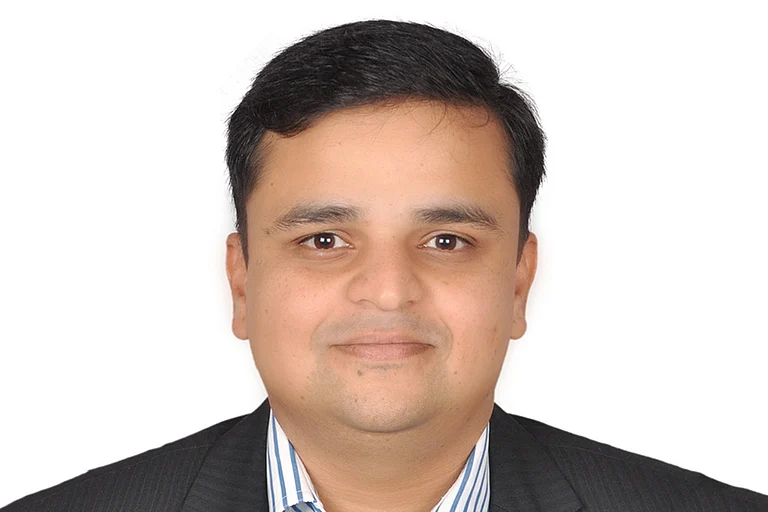
Says Sandeep Wadhwa, Chairman, FAY Investment Group, “At an earlier stage, capital may be directed largely towards growth. As wealth compounds, preserving buying power, generating recurring income, maintaining liquidity and transferring wealth across generations become equally important.”
He adds that a family may hold listed equities for long-term growth, real estate for tangible asset exposure, private credit for income and infrastructure for long-duration cash flows. Operating businesses provide exposure to entrepreneurial growth, while liquid reserves provide flexibility when opportunities or capital needs arise.
Each allocation has a different purpose. The portfolio becomes less about owning a collection of assets and more about creating a structure in which different pools of capital perform different functions.

Private Markets Expand The Opportunity Set
Private markets give investors access to businesses and assets outside public exchanges. Private equity, private credit and direct or co-investments can provide exposure to companies, projects and transactions unavailable through listed securities.
“Private credit is relevant to the income component of a portfolio. Depending on the structure and underwriting, investors can participate in loans backed by businesses or assets, with returns driven by contractual interest payments rather than equity-market appreciation,” says Wadhwa.
The analysis needs to go beyond the headline return. Borrower quality, collateral, seniority, covenants, leverage, repayment capacity and liquidity all influence the risk profile. The investment structure can be as important as the return being targeted.
Families also need to understand how an investment fits within the wider portfolio, how long capital will remain committed and what conditions could affect the exit.
Real Assets Are Becoming More Specialized
Real estate remains a major component of family wealth, but the definition of real assets is expanding.
Hotels and resorts, logistics facilities, healthcare properties, senior living, student housing, data centres and other specialised assets connect physical infrastructure with underlying operating demand.
“For an investor, the analysis extends beyond the real estate itself. Asset quality, operating model, demand drivers, management capability, capital expenditure and financing structure all influence the investment,” informs Wadhwa.
A hotel, for example, combines the value of the underlying property with room revenue, food and beverage income, events and other operating streams. A logistics facility is linked to supply chains, while a healthcare asset is connected to demand for medical services.
The underlying business model, therefore, becomes an important part of the investment case.
Cash Flow Has A Larger Role In Wealth Planning
Once a family has accumulated significant assets, recurring cash flow can become an important portfolio objective.
Appreciation can build wealth over time, but income can support spending requirements, reinvestment and intergenerational transfers without requiring the sale of long-term assets.
Hospitality, private credit, infrastructure and operating businesses can each produce cash flows through different economic mechanisms. Their suitability depends on liquidity requirements, investment horizon and tolerance for operating and market risk.
The objective is to build income streams with different drivers rather than depend on one source of cash flow.
Infrastructure Brings Long-Term Capital Into Focus
Infrastructure represents another area where private capital is playing a larger role.
Energy, transportation, utilities, connectivity and digital infrastructure require significant investment over long periods. Many of these assets support essential economic activity and have long operating lives.
“For family investors, infrastructure can provide exposure to long-duration assets and, depending on the structure, recurring contractual or operating cash flows. Capital committed to infrastructure needs to match the family's longer-term liquidity requirements. Illiquidity can work within a portfolio when the investment horizon is aligned with the purpose of the capital,” says Wadhwa.
Global Diversification Is About More Than Geography
International investing gives wealthy families access to different economies, currencies, sectors and economic cycles.


For Indian families, this is particularly relevant as domestic wealth expands and portfolios become more global. US and European markets provide access to businesses and sectors with different growth drivers, while international real assets can provide other sources of income and long-term value creation.
For families investing across borders, currency exposure, taxation, regulation, governance and the ability to monitor an investment from another jurisdiction also form part of the analysis.
Liquidity Needs to Be Designed Into the Portfolio
One of the clearest differences between public and private investments is liquidity.
Listed equities can generally be bought and sold through public markets. Private investments can require several years before an exit becomes available.
Capital required for near-term expenses, commitments or opportunities should have a different structure from capital intended for a five-, seven- or ten-year investment horizon.
“A well-constructed portfolio can combine liquid assets with longer-duration investments, allowing short-term requirements to be supported while longer-term capital remains invested through its intended cycle,” says Wadhwa.
Governance Becomes Part of the Investment
As family portfolios become more complex, investment governance becomes increasingly important.
A portfolio spread across properties, funds, private companies, credit investments and international assets requires clear reporting and oversight. Families need transparency into where capital is deployed, how assets are performing, what risks are emerging and when capital can be expected back.
Investment committees, professional advisers, consolidated reporting and defined decision-making structures can bring greater discipline to these portfolios.
Governance is, therefore, part of investment quality. That discipline becomes increasingly important as family wealth passes across generations.
The New Family Portfolio Is Built Around Outcomes
The evolution in family wealth management is about assigning different roles to different pools of capital.
“Equities can provide growth and liquidity. Real estate can provide tangible assets and income. Private credit can add another layer of income. Infrastructure can offer long-duration exposure. Hospitality and other operating assets can blend real assets with business cash flows. Private businesses can give direct exposure to enterprise value creation. The right mix depends on the family’s goals, liquidity needs, time horizon, risk tolerance and succession plans,” says Wadhwa.
For wealthy families, diversification is increasingly moving beyond the number of asset classes held. It is about diversifying the sources of return, the timing of cash flows and the economic drivers behind the portfolio. Capital is increasingly being organised around purpose, with each investment expected to have a defined role in the family's broader financial architecture.





