








Summary of this article
World Mental Health Day highlights lived experiences and support.
The myths around mental health cause social stigma and stop people from getting help.
Proper therapy and timely care enable faster recovery and healthy lives.
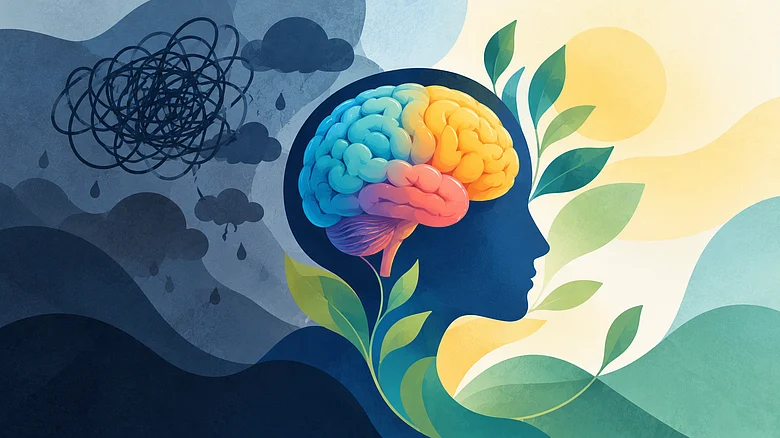
World Mental Health Day is observed every year on October 10. This year (2026), its theme is “Lived experiences heard: real voices, real change”. The theme is about involving people who have experienced mental health issues in the policy-making around mental health. For so long, mental health has been, and in many instances still is, viewed with stigma. Most of the time, the person is judged for the behaviour, but seeking help is usually neglected or hushed.
There are various myths around mental health; lack of awareness is the first and foremost reason for observing a day in the name of mental health.
According to the World Health Organisation (WHO), nearly 1 in 7 people globally live with mental health conditions, like Anxiety disorders, Depression, Post-traumatic stress disorder (PTSD), Bipolar disorder, Eating disorders, Neurodevelopmental disorders, or Disruptive behaviour, among others. These issues, when left undiagnosed, can disrupt one’s daily life and cause long-term suffering.



Yet, people don’t seek help due to the stigma around it, the financial unaffordability of treatment, or lack of awareness. There are several myths around mental health, such as that mental health problems are a sign of weakness or that one should simply think positively, etc. Here we discuss five common myths which prevent people from seeking support.
1. Myth: Mental Health Problems Are A Sign Of Weakness
Mental health conditions cannot simply be defined as a sign of a lack of willpower. Similar to physical health conditions, this can also occur due to biological factors or social or psychological factors.
People of any age can experience mental health issues, so these are not restricted to only a particular age, gender, socioeconomic group, or geography. Anyone can face issues at any time in their life, with some that can be identified in childhood, whereas some are more common with ageing.
The fact is that mental health conditions don’t affect only certain types of people. And, certainly, it should not be seen as a sign of weakness but as a health issue that requires treatment to prevent it from worsening.
2. Myth: People With Mental Health Conditions Are Typically Violent
Dr. (Prof) R K Suri, clinical psychologist and relationship coach, says, “This is a most damaging and pervasive myth perpetuated by ignorance and various types of myths. Most of the people living with mental health conditions are completely non-violent. Clinical data and global research consistently show that individuals with mental illness are actually far more likely to be the victims of violent crime rather than perpetrators. Violent behaviour is driven by complex socio-economic factors, substance abuse or a history of trauma. Equating mental illness with violence only deepens societal stigma and alienates those who need support.”
3. Myth: Any Unusual Behaviour, Such As Anxiety Or Withdrawal, Signals A Mental Health Issue
The reality is that mental health issues can’t literally be seen. Thus, determining whether a behaviour is a sign of a mental health condition or simply a transient emotional response requires evaluation by a qualified mental health professional. Not every unusual behaviour can be categorised as a mental health condition, but at the same time, one should not ignore it if one’s daily life starts getting affected.
“Human emotions naturally fluctuate daily, but persistent extreme and uncharacteristic behavioural shifts are key clinical indicators that warrant professional evaluation by a good clinical psychologist. When patterns like chronic withdrawal, intense anxiety, explosive aggression, or prolonged isolation begin to disrupt a person's daily routine, occupational productivity, or relationships, it points to an underlying psychological struggle,” says Suri.
4. Myth: Mental Health Conditions Cannot Be Fully Treated
Many a time, mental health conditions are seen as permanent issues that can’t be cured. However, with timely treatment through counselling, medication, lifestyle changes, and other such supports, these can be treated, and depending on the person’s physical health and socio-economic conditions, recovery can be faster. People can even lead an independent life without needing permanent support or medication.
In the case of children, it could be much faster. Based on his experience with children, Praneet Mungali, Trustee, Sanskriti Group of Schools, Pune, says, “When it comes to living independently, of course, they can, just like anyone else. Everyone needs help and support at some point in life, and they may need it too. However, with the right guidance, understanding, and opportunities, they can lead independent and fulfilling lives.”
5. Myth: Talking About Mental Health Makes Things Worse
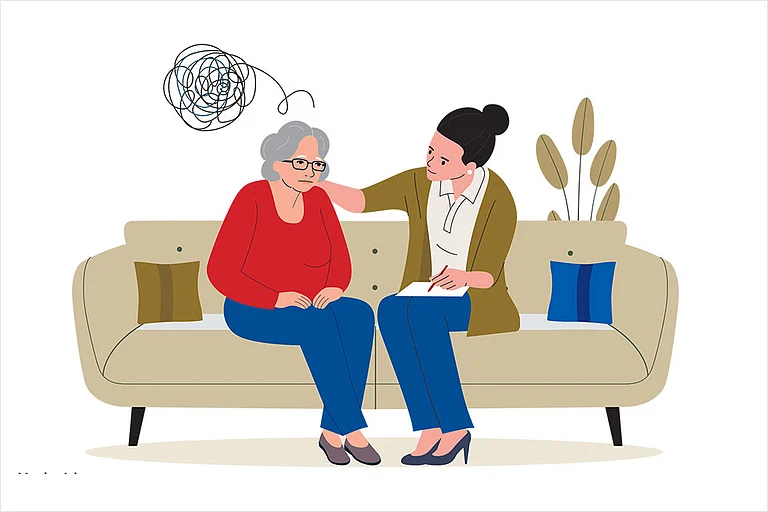
This is the biggest myth of all. Talking about mental health could be rather therapeutic for those suffering from a condition. However, it should be a respectful and non-judgmental conversation that can help the person feel less alone and more supported, so that they can ask for support. Although talking is not the remedy, nor can it replace professional care, giving an ear can be an important first step.
Mungali says, “As a society, it is our responsibility to remove this stigma and come forward as a support system for the betterment of our people. We need to create an environment where mental health conversations are treated with the same importance as physical health.”
Mental health conditions are simply health issues that need to be talked about, discussed, and treated. Mental Health Day is a reminder that people suffering from mental health issues should not be looked down upon as weaker people.
These myths need to be challenged so that anyone who is silently withdrawing from social connections, suppressing the issue, struggling with the highs and lows of emotions, or not able to manage anxiety, or facing other mental health issues can openly ask for help.





