







Summary of this article
EPF Scheme 2026 replaces the 1952 framework under Social Security Code.
PF contributions, withdrawals, interest and VPF rules to stay unchanged.
Digital governance and compliance norms receive more legal backing.
The Employees' Provident Funds (EPF) Scheme has entered a new legal framework with the notification of the EPF Scheme, 2026. Employees will continue contributing 12 per cent of their wages towards EPF, with employers matching the contribution. The existing 10 per cent rate for eligible notified establishments also remains in force.
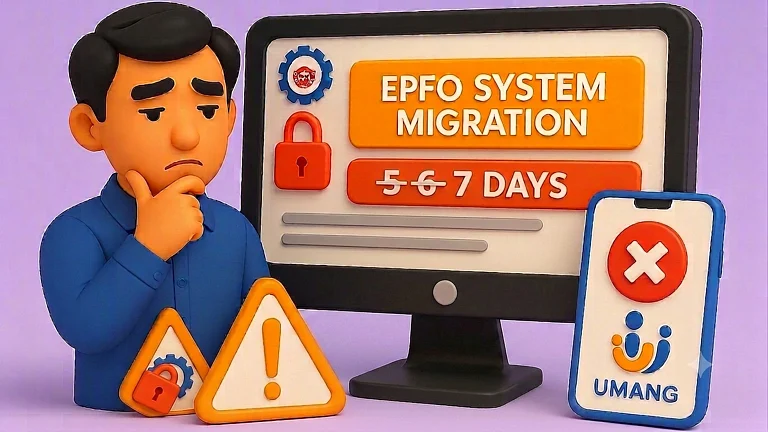
The notification does not revise the statutory wage ceiling linked to mandatory EPF coverage. Those who have opted to contribute to higher wages will also continue under the prevailing rules.
Similarly, there is no change in withdrawal provisions. Members can continue making partial withdrawals for eligible purposes, transfer their PF account when changing jobs and apply for final settlement after retirement or resignation as before.
Employees who invest through the Voluntary Provident Fund (VPF) can continue doing so. While employers are free to contribute beyond the statutory limit, they are not required to match an employee's additional VPF contribution.
The process for deciding the EPF interest rate also remains unchanged. Every year, the rate will continue to be recommended by the EPFO's Central Board of Trustees before receiving approval from the Central government. Existing rules on nominations, taxation and transfer of balances also continue.
Digital Services
Over the past few years, EPFO has shifted many of its services online. The new scheme formally recognises these digital systems within the legal framework.
Online filing of returns, electronic record maintenance, digital member accounts, online claim settlement, annual account statements and digital inspections now find a place in the scheme itself.
The Universal Account Number (UAN) also continues as the permanent identity for EPF subscribers, making it easier to carry the same PF account across different employers. Where employees are unable to generate a UAN, employers have been asked to provide assistance.
Tighter Rules For Exempted PF Trusts
The more significant changes are meant for exempted establishments that maintain their own recognised provident fund trusts instead of depositing contributions with EPFO.
The revised framework introduces tighter compliance standards covering trustee appointments, electronic accounting, audits, investment reporting, online disclosures and timelines for regulatory filings. It also lays down stricter conditions for renewing exemptions and reporting compliance.
Existing EPFO members do not need to enrol or fill out new documents to switch to the new system. Their accounts, balances and service records will continue without interruption, and the new scheme will, in a major way, be a new legal framework for managing the country's provident fund system.





