Summary of this article
Plan forex conversions early to secure better exchange rates.
Watch for hidden fees that increase overseas spending.
Use multiple payment methods and pay local currency.
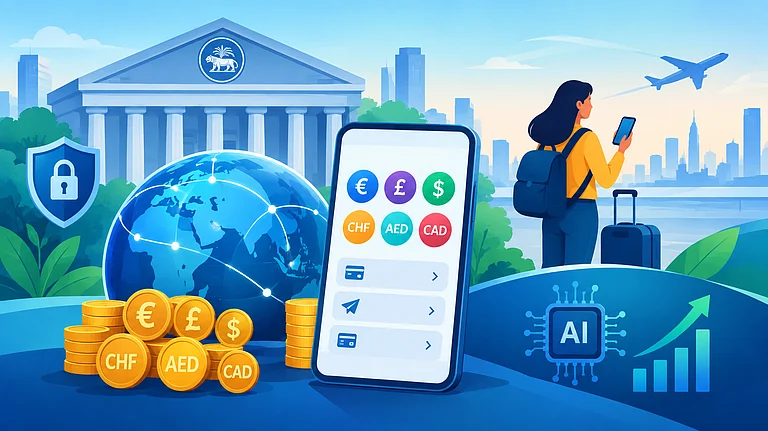
While planning a trap, booking flights and hotels tends to get more attention than managing foreign exchange. Yet for Indian travellers heading abroad, how and when currency is converted, and which payment instruments are used, can make a tangible difference to the total cost of the trip.
The range of options available today, from forex cards and international debit cards to cash and digital wallets, has made overseas spending more flexible. But it has also made the cost of getting these decisions wrong less obvious and easier to miss.
Don't Leave Forex Planning Until the Last Minute
Converting currency close to the date of travel, particularly at airport counters, rarely works in a traveller's favour. Better rates are generally available to those who plan ahead and are not pressed for time.
Amit Talwar, CEO, Niyo Forex, says thoughtful planning can lead to real savings. “The difference between a well-planned forex strategy and an impulsive conversion can often result in meaningful savings over the course of a trip,” he says.
Talwar added that converting in smaller amounts over time, rather than in one transaction, can help cushion the impact of sudden rate movements.
Pay Attention to Hidden Charges
The exchange rate that a traveller sees upfront is not always the full picture. Several additional costs apply to overseas transactions and can erode the value of even a well-timed conversion.
“Travellers often focus only on the exchange rate while overlooking hidden expenses, such as forex markups, foreign transaction fees, dynamic currency conversion charges, and ATM withdrawal costs,” he says.
Factoring these before travel can help build a more realistic overseas budget.
Choose Payment Options Carefully
Carrying only cash or relying on a single card can leave travellers exposed, both in terms of security and convenience. Spreading spending across a few instruments is generally a safer approach.
Talwar also suggests setting a budget in the destination currency rather than in rupee. Thinking in dollars, euros or dirhams, depending on where one is travelling, tends to give a clearer sense of daily expenditure and helps avoid the habit of underestimating costs through mental conversion.
Avoid Paying in Your Home Currency
Some overseas payment terminals offer travellers the choice to complete a transaction in rupees. This option, known as dynamic currency conversion, may appear straightforward but generally works out more expensive.
Says Talwar: “Wherever possible, travellers should choose to pay in the local currency rather than opt for merchant-led currency conversion at the point-of-sale terminals, which often comes with additional markups and less favourable exchange rates.”
A clear record of transactions made abroad, whether through cards, cash withdrawals or forex purchases, can help travellers stay on top of their spending before it gets out of hand.
“Maintaining a digital record of forex purchases, card transactions, and overseas payments can help travellers better manage their finances throughout the journey,” adds Talwar.