






Summary of this article
Banks may cap transfers for 24 hours after digital payment activation.
Trusted person registration may take 24 hours to activate.
Changing security settings may trigger another 24-hour wait.
Imagine activating net banking or another digital payment facility because you need to transfer Rs 2 lakh urgently. You log in, enter the beneficiary details and get ready to make the payment. But your bank may not let you transfer the entire amount immediately.
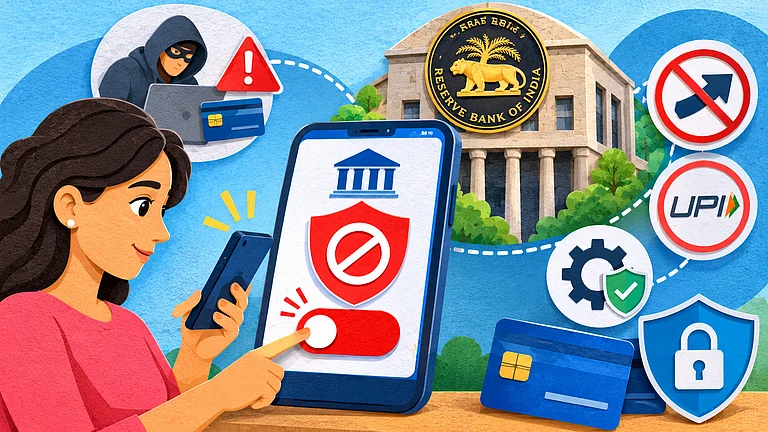
A new Reserve Bank of India (RBI) proposal could introduce a 24-hour restriction on how much customers can transfer after activating digital payment channels. That is not the only situation in which customers may have to wait. The draft also proposes a 24-hour cooling period for activating and changing certain security features linked to high-value bank transfers.
Your First Day Of Digital Banking May Come With A Transfer Cap
Under the proposed rules, banks will have to set a ceiling on the total value of fund transfers during the first 24 hours after enabling a digital payment channel for a customer.
The limit will depend on the bank's assessment of the risks associated with that payment facility. Banks may gradually raise the ceiling after the initial 24-hour period.
For customers, activating a digital payment facility does not automatically give them access to their usual transfer capacity. If you are planning to make a large payment right after activation, you may have to wait or adjust the amount to fit within the bank's initial ceiling.
Adding A Trusted Person Will Not Give Instant Protection
The RBI draft also proposes a 24-hour cooling period before the trusted person mechanism becomes active.
Under this arrangement, customers can nominate someone they trust to approve electronic fund transfers above a threshold selected by them. This adds another layer of verification before a high-value payment goes through.
However, customers may not be able to use this facility immediately after registering their nominee. The proposed waiting period means the additional approval requirement will take effect only after 24 hours.
Even Changing Your Security Settings Could Take A Day
The waiting period will not be limited to registering a trusted person. Customers who want to change or remove their nominee, modify the transaction threshold or alter the payment channels covered by the mechanism will also have to go through a 24-hour cooling period.
The same requirement will apply if a customer decides to opt out of the facility.
Banks may also carry out additional verification for customers considered more vulnerable to cyber fraud. This could involve tele-verification or a visit to the bank branch.
New Waiting Periods Still At Proposal Stage
The RBI has proposed July 1, 2027, as the commencement date for these safeguards, although banks can implement them earlier if they are prepared to do so.
The provisions are part of the draft directions on safeguards against fraudulent electronic banking transactions (EBTs). They are not yet mandatory for banks. The final requirements will depend on the RBI's directions after the consultation process.