






Summary of this article
High credit card spends misaligned with income attract scrutiny
Business and circular transactions raise income tax red flags
Monetised rewards may require disclosure in tax returns
The use of credit cards has increased significantly over the years. According to the Reserve Bank of India’s (RBI’s) Payment Systems Report 2025, credit card transaction volumes surged from 2,087 million in 2019 to 4,472 million in 2024, with the total value rising from Rs 7.10 trillion to Rs 20.40 trillion. In the initial half of 2025, there were 2,663 million transactions valued at Rs 11.10 trillion.
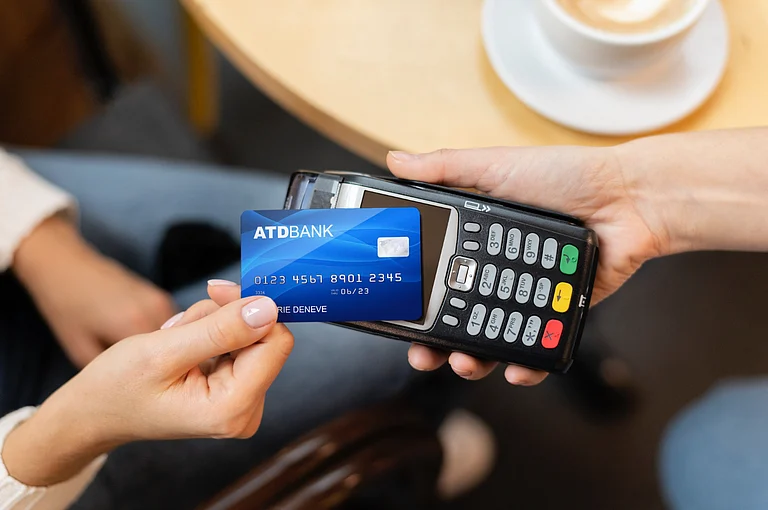
Conversely, during the same timeframe, debit card transactions experienced a decline in volume from 4,953 million in 2019 to 1,738 million in 2024, while their total value decreased from Rs 6.83 trillion to Rs 5.15 trillion. In the first half of 2025, debit cards recorded 691 million transactions amounting to Rs 2.22 trillion.
When the expenditure on cards is much more than the income reported by a taxpayer, tax officials may flag it as an imbalance and put it on the radar during an audit. It can result in scrutiny notices or reassessment proceedings to determine the type of the expenses and the origin of funds.
Manufactured Spending and its Importance
The issue of so-called manufactured spending is one of the concerns of tax authorities. This is spending money on a credit card in a manner that does not contribute to economic activity, for example, rotating money using payment services, or lending money to a friend who will make payment later. This can create the appearance of high spending that is not backed by genuine expenses. When spending does not match income profiles, the income tax department may view these transactions as unexplained money, potentially triggering enquiries.
Circular Payments and Wallet Loading
The second warning signal is a frequently-filling digital wallets or sending money using payment gateways without making a purchase. These circular transactions may appear as spending on the surface, but it does not reflect any economic activity.
Paying Rent Using Credit Card
There is also the risk of attracting attention by using credit cards to pay rent for your friends or relatives when there is no bona-fide landlord-tenant relationship between you and the receiver of the payment. Tax authorities can also deny claim of house rent allowance (HRA) in case the credit card payments made on rent are not equal to the rent mentioned in the agreement.
Lending Cards to Others and Business Expense Claims
Allowing friends or family to use a credit card can be problematic if reimbursements are made through informal channels such as cash, Unified Payments Interface (UPI) or bank transfers without clear records. Tax authorities can include all of such spending as expenditure of the primary cardholder.
Similarly, using a personal card to pay for business expenses, reimbursing afterwards, and retaining the reward points, may raise eyebrows. Officials may state that significant gains earned in this manner constitute business income or a taxable perquisite.
Rewards and Cashbacks when Reporting Tax Returns
Reward points used to merely reduce the price of an item are usually tax-free. But, when the rewards are converted into cash or statement credits, it can be subject to taxation. However, reward points exceeding the value equivalent of Rs 50,000 in a year or the materially monetised points are to be reflected in the income tax return (ITR) under the section ‘Income from other Sources’.
How to be Compliant
To prevent inconveniences, make sure to have proper documentation of all credit card transactions and ensure they are related to a valid source of expense or income. Keep all documents, such as invoices, receipts, reimbursement letters, and bank statements. Also keeping a record of your expenses according to the category and making sure that overall credit card usage is proportional to reported income would reduce the likelihood of scrutiny.





