





Summary of this article
Nepal to allow Indian notes above Rs 100
RBI rules have permitted limited cross-border cash movement
Tourism and migrant travel to receive regulatory relief
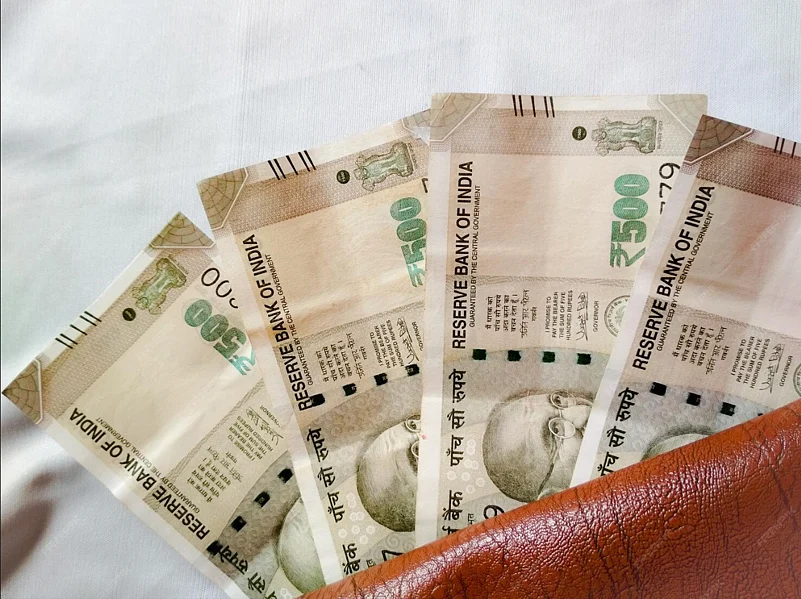
Nepal is set to allow the circulation of Indian currency notes above Rs 100, ending almost a decade of restrictions that hit travellers, migrant workers, and tourism businesses. Formal approval from India has already been received, and Nepal is expected to issue a government gazette notification to put the change into effect soon.
The ban on higher-denomination Indian notes has created confusion at border points and led to legal problems for travellers. This revised framework is aimed at bringing clarity to long-standing currency rules between the two countries.

RBI Revises Norm On Currency Movement
The Reserve Bank of India (RBI) amended its Foreign Exchange Management (Export and Import of Currency) Regulations on November 28, 2025. This amendment was officially published in an official Gazette on December 2, 2025.
Under the revised regulations, individuals are now permitted to carry Indian currency notes of any denomination higher than Rs 100 to Nepal and back, with the total value not exceeding Rs 25,000.
The notification has also said that individuals can take Nepalese currency to India within limits prescribed by Nepal’s regulations itself.
Migrant Workers Have Gained Relief
The decision has eased the difficulties faced by Nepali migrant workers travelling to India, Nepal government officials have said, according to a report by The Kathmandu Post. Migrant workers were compelled to carry their savings in low-denomination notes while going abroad, which increased the risk of theft during travel.
There have been cases of detention and even imprisonment of Nepalese citizens for carrying Indian Rs 500 or Rs 1,000 notes that were banned under earlier rules. The legal risk that was involved in the previous policy has now been sorted out and uncertainty among frequent travellers has been reduced to a minimum.
Impact On Tourism
Restrictions on higher denomination Indian notes have taken its toll on the Nepalese tourism in towns located near the Indian border. Spending by Indian tourists has gone down, forcing hospitality ventures like hotels and casinos to report a slump.
Western Nepal's districts of Kailali, Bardia, and Nepalgunj have seen a steady inflow of visitors from across the border, particularly from Indian cities like Lucknow and Delhi. Nepalgunj has also served as a transit point during the Kailash Mansarovar Yatra when Indian pilgrims have travelled across the region into Tibet.
Limits On Currency Continue To Apply
Nepal has permitted tourists, including Indian nationals, to bring in up to $5,000 or its equivalent in other convertible currencies without declaration. Amounts above this limit have to be declared at customs. Visitors have not been allowed to take more than $5,000 out of Nepal.
Nepalese citizens have also been allowed to carry up to Rs 5,000 to India and other countries. These limits remain unchanged.
How The Restrictions Evolved
The currency policy of India applied to Nepal has changed several times during the last decade. In February 2015, the RBI allowed Nepalese citizens to carry Rs 500 and Rs 1,000 notes up to a limit of Rs 25,000. Earlier, these denominations were restricted in Nepal owing to security concerns.
The Indian government demonetised the Rs 500 and Rs 1,000 notes, and introduced new currency, including a Rs 2,000 note, on November 8, 2016.
Nepal's Cabinet, after demonetisation, issued a ban on the Indian notes above Rs 100 on December 13, 2018. Nepal Rastra Bank issued a circular on January 20, 2019 prohibiting Nepali travellers, banks and financial institutions from holding or trading such notes.
Digital Payments And Visitor Data
Efforts have also been made to lessen cash dependence by introducing digital payment systems. Since March 1, 2025, Indian tourists have been allowed to make payments in Nepal by scanning QR codes in their UPI apps. But it worked mainly in urban areas and poor connectivity limited the use in remote destinations. India has remained Nepal’s largest source of tourists.
A Nepal Tourism Board study conducted before the 2015 earthquake estimated that around 1.20 million Indians enter Nepal by land each year. Nepalese officials believe the number has increased to around two million, though many entries have not been formally recorded. By comparison, 317,773 Indian tourists arrived in Nepal by air last year.





