







Summary of this article
Indian bonds fall as Iran war rages on with no signs of slowing down
Bonds fall as crude oil prices jump and foreign portfolio investors sell
Indian bonds extended their losses on March 20, with the 10-year government bond (G-sec) yield rising to the highest since February 2, 2026. Foreign investors sold emerging market bonds amid an ongoing war in Iran and fears of global interest rates rising.
The 10-year bond yield rose to a high of over 6.77 per cent on March 20, rising 4 basis points from the previous close, but recovered to end at nearly 6.74 per cent. Government bond markets were closed on March 19 for the occasion of Gudhi Padwa.
Late on March 18, the US Federal Reserve decided to keep the interest rates unchanged, considering the geopolitical conflicts in West Asia. The war in Iran by the US and Israel, which began on February 28, has not shown any signs of de-escalation from either side. The Fed noted that inflation could possibly refuse to cool off if the war continues for a prolonged period, which could also temper chances of a rate cut in the near term. The Fed’s dot plot suggests a single cut during the year, which led traders to reassess the impact of the war on global interest rates.

Foreign portfolio investors have sold Rs. 13,092.35 crore since the war began, which landed bonds on shaky ground amid persisting high borrowing rates in the market. Bond yields have been rising as global markets were rattled due to the war and surging crude oil prices. Investors continued to reassess their risks due to crude oil prices, which have jumped more than 40 per cent since the war began, and as global supply chains continued to function with at least 20 per cent less capacity as the Strait of Hormuz remained blocked.
Additionally, a sharp rise in the government’s debt and concerns about rising import bills also made investors wary of bonds. The Indian rupee has also fallen to new lows, which added to pressure on the bond market.
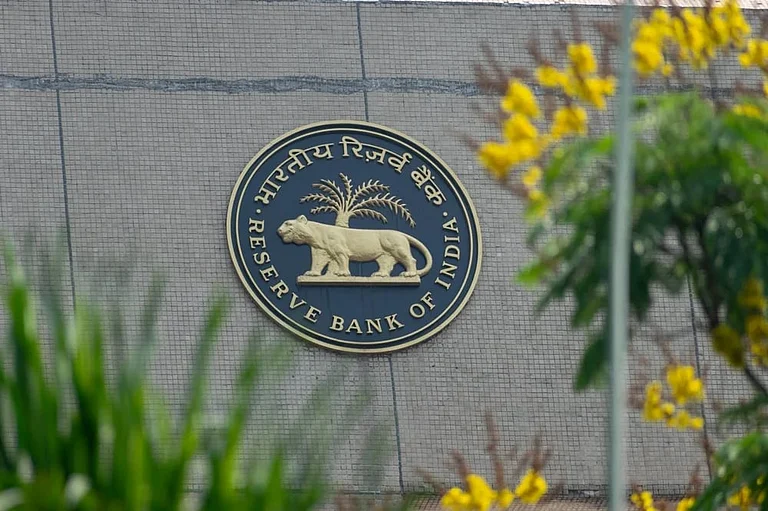
“The rise in yields could be arrested by a stabilisation of oil prices, a definitive pause in the U.S. Federal Reserve's rate cycle, or direct bond-purchase interventions by the Reserve Bank of India. Additionally, improved banking system liquidity and stronger signals of fiscal consolidation could help cap further increases,” Abhishek Kumar, a Securities and Exchange Board of India (Sebi)- registered investment advisor (RIA).
He suggested investors opt for debt funds, which can take exposure in high-quality bonds while managing risk levels. “A laddered investment approach is advisable to mitigate interest rate volatility and ensure capital preservation in a fluctuating market. Investors should also focus on maintaining sufficient liquidity to capitalise on potential shifts in the interest rate environment,” he added.
Bonds maturing within one to five years were recommended as they provided price stability compared to longer tenure bonds, where the risk of capital loss was higher. “This front-to-intermediate portion is currently less susceptible to the volatility and supply side pressures impacting longer term securities…Positioning at the shorter end of the curve allows for steady accrual income while protecting against potential further rises in long-term yields,” he said.





