






Summary of this article
Discipline beats timing: Staying invested matters more than predicting market moves
Protection first, returns later: Insurance and emergency funds are non-negotiable foundations
Asset allocation over trends: Chasing winners often leads to regret
Advice is an advantage: Professional guidance helps avoid costly, irreversible errors
As markets dipped nearly 12 per cent from their highs, a familiar pattern returned. Arjun, a 34-year-old professional in Mumbai, did what many investors promise themselves they won’t: he stopped his SIPs. Two months later, when markets bounced back, he realised the loss wasn’t caused by the market - it was caused by panic.
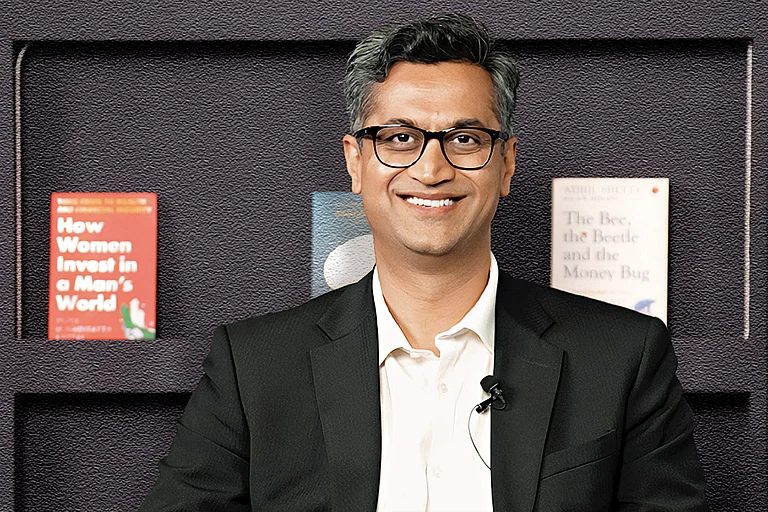
“2025 showed us that financial decisions are rarely about lack of information,” says Sanjiv Bajaj, Joint Chairman and MD, Bajaj Capital. “They are about how people react when uncertainty shows up.”
Based on market data, advisory trends, and investor behaviour through the year, here are the top ten money mistakes that defined 2025 and the lessons they leave behind.
1. Stopping SIPs When Markets Fell
SIP stoppages exceeded new registrations in early 2025, precisely when disciplined investing mattered most. Investors who stayed invested accumulated more units at lower prices. Those who exited missed the rebound. “Volatility is not a flaw in equity investing, it's the entry point,” Bajaj says.

2. Expecting Insurance to Make You Rich
In 2025, many Indians bought insurance hoping it would grow their money. ULIPs and endowment plans were sold as “do-it-all” solutions protection plus returns. What most people discovered later was uncomfortable: the cover was too small, the returns were average, and the charges quietly ate into both. Insurance is about certainty, not performance. Buy it to protect your family. Invest separately to grow your wealth.
3. Chasing Last Year’s Winners
Mid- and small-cap funds that soared in 2024 attracted heavy inflows in early 2025 just before sharp corrections. Late entrants paid the price. “Past performance feels comforting, but it’s often misleading,” Bajaj says. “Asset allocation matters far more than rankings.”
4. Panic Selling During Corrections
As indices corrected, many locked in losses, only to watch markets recover weeks later. The emotional gap between risk tolerance on paper and in reality became evident.
5. Ignoring Health Insurance Gaps
With medical inflation hovering near 14 per cent, families with outdated Rs 5 lakh covers faced hospital bills running into double digits. “Underinsurance is one of the quietest financial risks in India,” Bajaj warns. “It doesn’t show up until it devastates savings.”
6. Keeping Everything in Fixed Deposits
Fixed deposits (FDs) continued to feel safe, even as inflation quietly eroded real returns. Safety came at the cost of long-term purchasing power. Every rupee needs a role, based on when it will be used.
7. Speculating in Crypto Without Understanding
The crypto downturn exposed a classic cycle FOMO-led entry, poor understanding, and steep losses. “Speculation is not investing,” Bajaj says. “If you can’t explain why you own an asset, you shouldn’t own it.”
8. Not Having an Emergency Fund
Job losses, medical emergencies, and business disruptions forced many to liquidate long-term investments or borrow at high interest. Financial planning begins with liquidity, not returns.
9. Leaving Tax Planning for March
Last-minute tax-saving decisions led to unsuitable products and regret. Panic-driven planning rarely aligns with long-term goals.



10. Avoiding Professional Advice
Perhaps the costliest mistake was trying to do it all alone. Many capable professionals underestimated the complexity of financial planning. “Good advice doesn’t eliminate risk,” Bajaj reflects. “It helps you avoid irreversible mistakes.”
Looking Ahead
2025 didn’t introduce new financial risks, it exposed old ones more clearly. It reminded investors that discipline matters more than timing, protection matters more than prediction, and behaviour matters more than brilliance. Markets will fluctuate. New trends will emerge. But the real difference between financial stress and financial stability lies in how lessons are absorbed. As Bajaj puts it, “Wealth isn’t built by reacting faster. It’s built by reacting wiser.”
The best time to correct these mistakes was yesterday. The next best time is before the calendar turns again.





