





Summary of this article
Centre has proposed higher blend of ethanol to be allowed in petrol
Automakers have raised concerns about vehicular adaptability
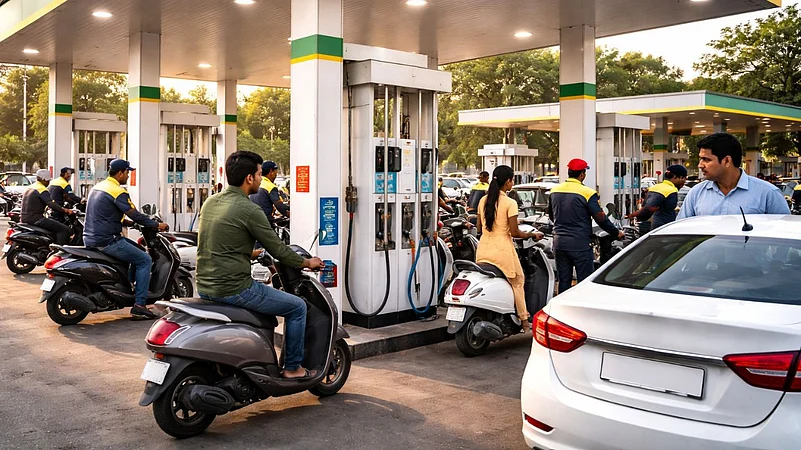
India has proposed sweeping changes to its vehicle fuel regulations to allow the use of higher ethanol-blended fuels, marking a significant step in its clean energy transition and efforts to reduce dependence on crude oil imports. This is a step up from the country’s current E20 petrol programme.
The proposed amendments to the Central Motor Vehicles Rules, issued by the Ministry of Road Transport and Highways, aim to formally include fuels like E85 — a blend of 85 per cent ethanol and 15 per cent petrol — and E100, which is nearly pure ethanol. This move builds on India’s earlier success in achieving its E20 target — 20 per cent ethanol blending in petrol — in 2025. With the new proposal, the government is seeking to accelerate the shift towards alternative fuels, driven largely by the need to cut costly petroleum imports and improve energy security
The draft rules also propose integrating these fuels into the existing regulatory framework for vehicles, enabling manufacturers to produce engines compatible with higher ethanol blends. This is expected to promote the adoption of flex-fuel vehicles (FFVs), which can run on varying ethanol-petrol combinations, including up to 100 per cent ethanol. The draft proposal has been opened for public consultation.
This comes at a time when crude oil prices have risen sharply due to geopolitical conflict. The current US-Iran war has led crude oil prices to surge above $110 per barrel. India imports almost 90 per cent of its oil requirements, and a higher blended fuel is expected to somewhat reduce reliance on oil imports for the country.
The proposed transition, however, has its fair share of challenges. Automakers have raised concerns about the technological and financial implications of adapting vehicles to run on higher ethanol blends. Existing engines may require modifications, and infrastructure for the distribution and storage of such fuels would need significant upgrades.

There are also concerns regarding vehicle compatibility with higher blended fuels, particularly for older models. Higher ethanol content can lead to issues such as corrosion and reduced engine efficiency if vehicles are not specifically designed for such fuels. This could potentially increase maintenance costs for consumers or require upgrades to newer, ethanol-compatible vehicles. Despite these concerns, the government sees ethanol as a key component of its broader strategy to promote cleaner fuels, reduce emissions, and support domestic agriculture by using crops like sugarcane and maize for fuel production.





