

Summary of this article
Rupee continues to dip past 90 to a dollar
Fears of escalation in Venezuelan conflict could extend pressure on rupee
The rupee has remained under pressure over the past year as uncertainty in the global trade and tariff sphere pushed out foreign investments, while growth in India’s economy seemed resilient. Experts say that pressure on the rupee could continue as escalating geopolitical tensions, with the latest US military intervention in Venezuela, could keep foreign investors at bay.
Today, the rupee closed at 90.26 against the dollar, down 25 paisa since last week’s close. The rupee had posted two straight weeks of decline and was above the psychologically crucial level of 90 to a dollar due to persistent demand for the US dollar. Experts said that this pressure on the Indian currency will continue as the fears of escalating geopolitical tensions lead to higher volatility in currencies.
To be sure, Venezuela’s share in international exports is small even though the country has one of the largest oil reserves in the world. India’s oil imports from Venezuela account for less than 1 per cent. This has led to limited reaction in crude oil prices in the global market so far.
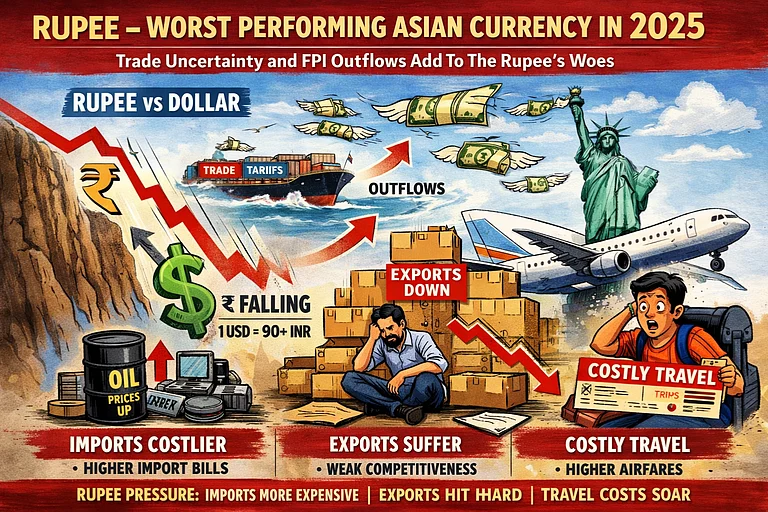
However, experts suggest further US action on the country, and fears of retaliation from other global powers could put pressure on the emerging market currency. This could further lead to some volatility in crude oil prices as well.
“The crude reaction is not much because Venezuelan crude supply was not available to the markets due to the sanctions. The risk is that if this escalates to other Middle Eastern countries whose supply is available to the markets, and how quickly can the US utilise the Venezuelan oil supply and do away with the sanctions,” Gaura Sengupta, chief economist at IDFC First Bank, said.
Experts said that the rupee has already been under pressure due to persisting risks and uncertainty in trade and tariffs globally.
“The INR (rupee) is a separate issue,” Sengupta added. “We have not seen capital inflows in the Indian markets and that itself is a big cause of the depreciating currency…the incremental issue is we are not getting a trade deal…even if a trade deal happens, the rupee will continue its fall, though the rate of fall will be lesser.”
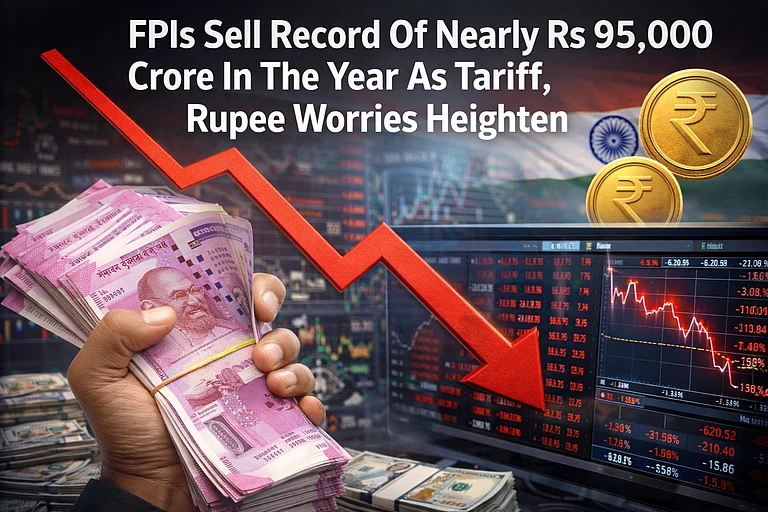
Bankers said that some support in the currency could be seen next week as the Reserve Bank of India will conduct a dollar-rupee buy-sell swap. The RBI had said it will conduct $10 billion of currency buy-sell swap on January 13, where banks will sell dollars to the RBI in return for rupees. They said that the extent of weakness in the rupee will depend on what the RBI does to intervene and arrest the fall of the rupee during the week. The rupee fell nearly 6 per cent in 2025, clocking the weakest currency performance since 2022. The rupee had touched a record low of 91.14 to a dollar last year.