





Summary of this article
West Bengal will implement Ayushman Bharat (PM-JAY) and the parallel Mukhyamantri Swasthya Yojana from 16 August 2026.
The scheme will provide up to Rs 5 lakh cashless health cover to beneficiaries per year.
The existing Swasthya Sathi scheme will run alongside the new schemes for 2–3 months, with a phased withdrawal after a 60-day review of operations and hospital empanelment.
Ayushman Bharat – Pradhan Mantri Jan Arogya Yojana (PM-JAY) is set to roll out in West Bengal from August 16, 2026. State health minister Sharadwat Mukherjee announced on August 14, 2026 that West Bengal will officially implement the health insurance scheme starting from August 16, and the day will be observed as ‘Ayushman Diwas’. He said the scheme will cover approximately 15 million families, providing health insurance to around 60 million people.
West Bengal was the last state to adopt the healthcare scheme a few months ago. However, to ensure universal coverage, the government is also launching the Mukhyamantri Swasthya Yojana on the same day. This state-run scheme will be the same as the PM-JAY scheme. It will provide a cashless health coverage of up to Rs 5 lakh per year to those who aren’t covered under PM-JAY for not meeting its eligibility criteria.
Mukherjee said that no resident of the state will remain outside the government’s insurance safety net and they will not be charged for issuance of their Ayushman Bharat cards, according to a report by PTI.



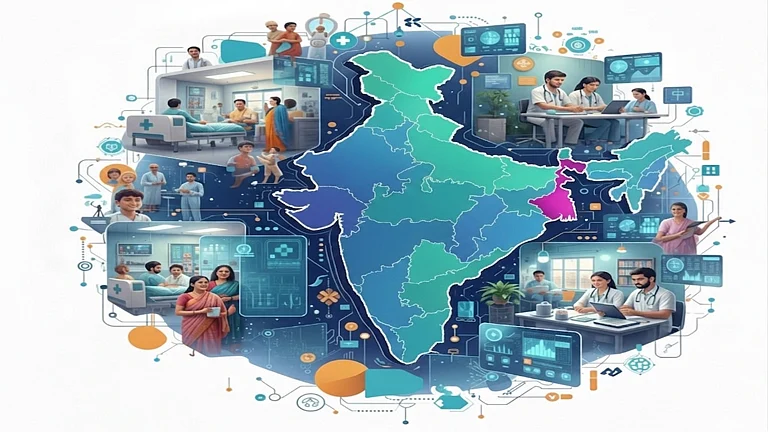
Since West Bengal has been running the Swasthya Sathi scheme, a state-run healthcare scheme for a long time, the state government has no plan to scrap it immediately. Instead, the government plans to operate all three schemes Swasthya Sathi, Ayushman Bharat, and the Mukhyamantri Swasthya Bima Yojana simultaneously for the next 2-3 months.
The idea is to provide a smooth phase-wise transition from the old scheme to the new one to beneficiaries, where they don’t need to rush to switch to the new scheme. The government will withdraw the old scheme only after confirming that the new scheme services are functioning without complications. For this, the government reportedly plans to conduct a review of these operational services over the next 60 days.
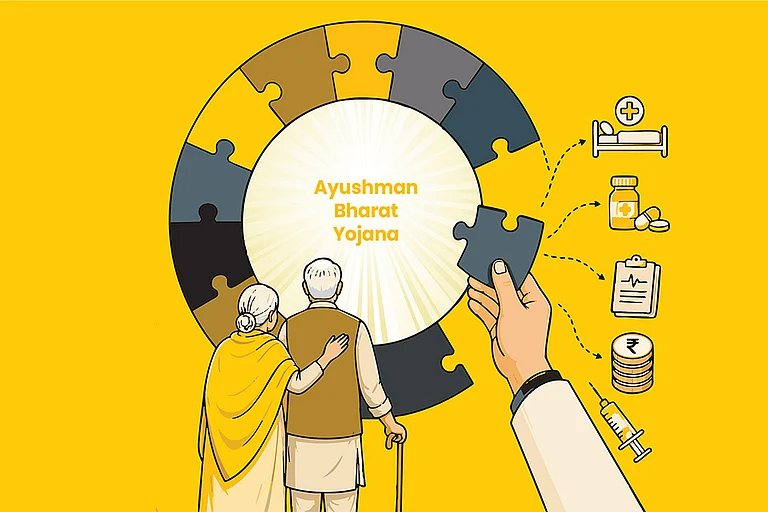
To support the rollout, the state government has already integrated 1,930 hospitals across the state into the scheme. These hospitals comprise 627 government facilities and 1,303 private hospitals. The state health department has also set up a nodal team to conduct fortnightly reviews of health facilities to prevent irregularities, such as excessive package charges and unreasonable billing at private institutions. While announcing the rollout, the minister also issued a warning to hospitals that turn away patients at times, stating that no one can be denied treatment due to unavailability of beds.
Notably, the state government will receive approximately Rs 1,000 crore from the Centre, which will cover around 60 per cent of the expenses, and the remaining 40 per cent will be met by the state. Around 34 million people in West Bengal have already enrolled in the Ayushman Bharat scheme and they can begin utilising the scheme’s services from August 16, 2026.
One of the key benefits of the scheme is that it includes pre-existing diseases from the first day of enrolment. There is also no upper limit on the family size. Besides, it covers all senior citizens aged 70 years and above, irrespective of their socio-economic background.
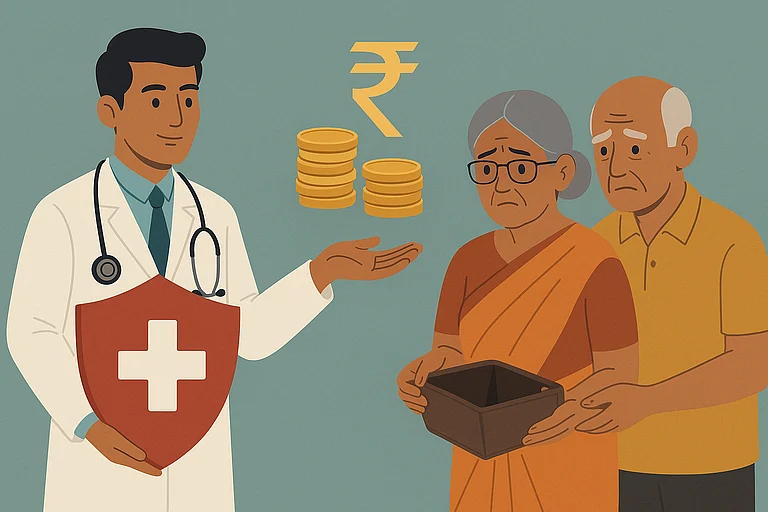
In addition to this, the scheme also offers flexibility to beneficiaries, allowing them to access treatment at more than 40,000 empanelled hospitals across the country. It was highlighted that this feature (getting healthcare facilities across the country) is particularly beneficial for migrant workers.
The scheme covers the cost of medicines and diagnostic tests from three days before hospitalisation and 15 days after it. Further, the Ayushman Bharat Health Account (ABHA) IDs will allow doctors to access patients’ digital medical records instantly to streamline the treatment process and enhance the experience of beneficiaries in getting a medical service. To avail oneself of these services, beneficiaries are required to have the Ayushman card and ABHA Card and carry their Aadhaar card for digital verification at the hospital counters.





