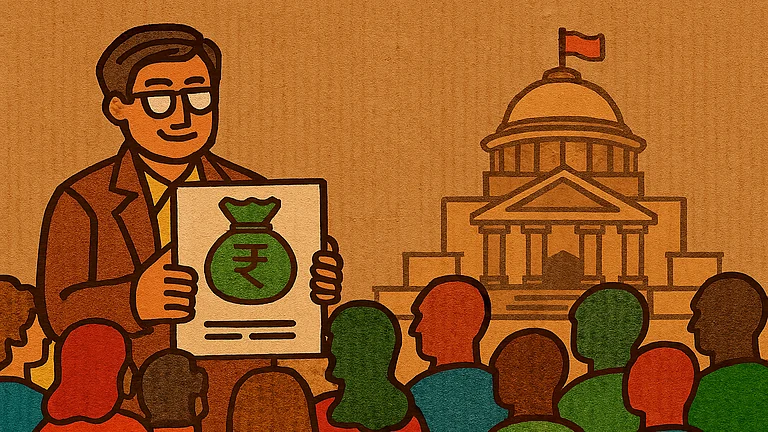

Lakhs of Central government employees and pensioners are still waiting for this year’s Dearness Allowance (DA) hike, with no official announcement yet. The delay - linked to the transition towards the 8th Pay Commission and related administrative processes - has begun to raise concerns beyond just timing.
However, for many, this delay means more than just an administrative procedure taking longer than usual. Their monthly cash flow, retirement corpus and even short-term taxation are impacted by this. While the revision will eventually be done, the anxiety and uncertainty in the period leading up to it can cause unnecessary financial agony - particularly for retirees and those close to retirement.
Short-Term Financial Implications For Government Employees Due To The DA Delay
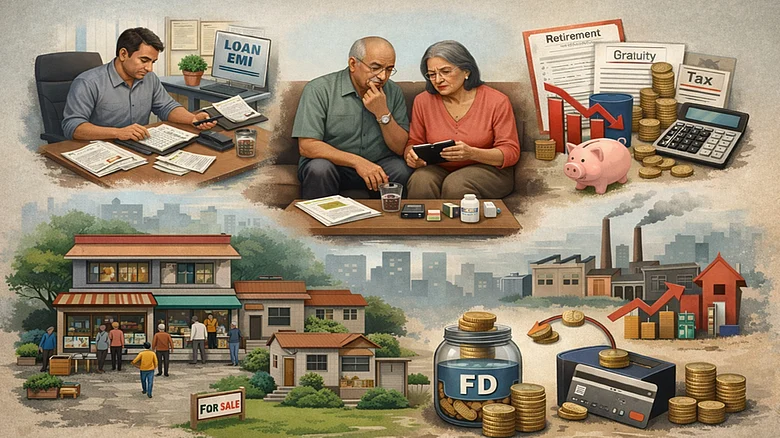
According to industry experts, salaried employees - including government employees - structure their monthly outflows around their expected take-home pay. Home loan EMIs, SIPs, insurance premiums, and school fees don’t pause just because the Cabinet or concerned authorities have yet to finalise the revision.
“A Level 10 officer with a basic pay of around Rs 56,100 loses about Rs 1,122 a month due to a 2 per cent DA delay. Not significant in isolation. But for a pensioner drawing a Rs 25,000 basic pension, the Rs 500 monthly shortfall hits differently because there is no other income coming in,” says Anooj Mehta, Vice President - Partner Success at 1 Finance, a personal finance institution.
Pension is a ceiling, not a floor. What often goes unnoticed is the role of timing in retirement. DA feeds into the "last drawn salary" under the Gratuity Act. It also determines the pensionable salary. If someone retires between January and the notification date, their gratuity and pension may get locked at 58 per cent DA instead of 60 per cent.
While this is eventually corrected through revision orders, such adjustments typically take three to six months in practice. That effectively means a retiree draws a lower pension than they are entitled to - precisely at a time when financial certainty matters the most.
“There is also a tax headache. When three months of DA arrears are paid out in a single month, it inflates gross income for that period. This can push up TDS or even nudge an employee into a higher tax slab. Relief under Section 89 is available, but it has to be actively claimed - something many employees are not aware of,” says Mehta.
Could Delayed DA Payouts Have Any Measurable Impact On Consumption Or Household Spending Patterns?
The DA revision impacts around 49 lakh Central government employees and 68 lakh pensioners. That’s around 1.17 crore beneficiaries. 2 per cent on an average basic of Rs 40,000 translates into Rs 800 per month. Multiply that across 49 lakh employees, and you have nearly Rs 392 crore of monthly spends unable to enter the economy. Add pensioners who are on a lower basic, and you are looking at Rs 500-600 crore of monthly spends that haven't entered the economy in a timely manner. Over three months, that’s Rs 1,500 crore plus.
Where will this shortfall hurt the most? Not in metros like Bengaluru or Mumbai, where the Centre’s salary disbursal is only a small portion of the total salaried class. It hurts in markets like Lucknow, Bhopal, Patna, Dehradun and other smaller cities where government employees form a large section of consumers.
“Local retail, local housing, local services, local durables - anything and everything gets impacted when that stream dries up for a month. And here’s the kicker. People think arrears will magically make up for it. They don’t. If you get three months' salary all at once, you don’t suddenly go out and spend it like you would have otherwise spent Rs 800 for three months,” says Mehta.
Part of that goes to an outstanding credit card bill. Part of that goes into an FD top-up. The kirana store down the street, the restaurant you visit on weekends, that extra thing you bought at the mall because you felt like it - none of that purchase occurs. The economy doesn’t make up for the lost spending. Part of it silently gets diverted to savings or repaying debt and never translates into consumption.