






Summary of this article
The second home landscape in India is slowly evolving. Alongside established holiday destinations, newer locations closer to major cities are starting to draw attention.
Goa continues to remain a strong favourite for buyers seeking premium holiday homes.
Newer micro-markets around major economic hubs are slowly gaining traction. Khopoli is among the places benefiting from this shift.
Owning a second home has often been associated with the idea of slowing down, for many urban Indians, those who have resided in cities for a long time. Such homes can be described as a place where weekends feel quieter, far from traffic jams, deadlines and the constant rush of city life. For years, destinations such as Goa or the hill towns of Uttarakhand and Himachal Pradesh naturally filled that role.
Goa still holds that appeal. But the second-home landscape in India is slowly evolving. Alongside established holiday destinations, newer locations closer to major cities are starting to draw attention.
People have started showing more interest in weekend homes because their way of living has evolved. The population of urban areas is growing fast, while people are expected to work more. Many buyers now want a place where they can step away from the routine without planning a long trip.
Goa continues to remain a strong favourite for buyers seeking premium holiday homes. The state offers an ideal location for wealthy buyers and permanent residents because of its coastal beauty, relaxed atmosphere and growing high-end residential developments.
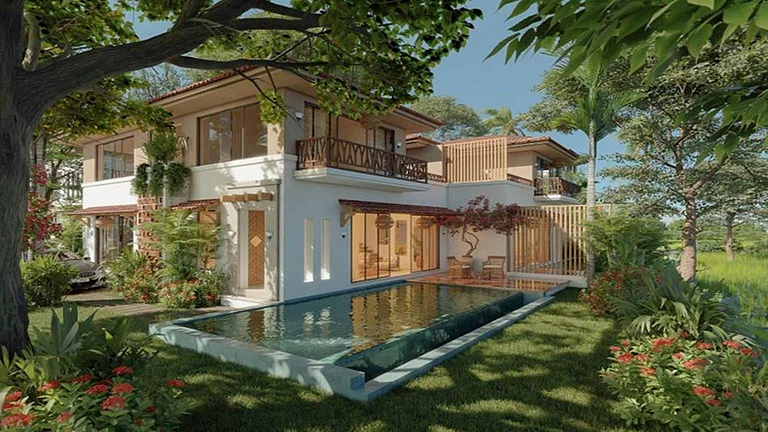
Rishi Raj, CEO, Conscient Infrastructure, says the luxury second home segment is witnessing strong growth driven by changing lifestyle aspirations. “The luxury second home market in India has grown significantly in recent years, driven by ultra HNIs and an aspiring affluent class with rising disposable incomes. Buyers are increasingly prioritising wellness. That means they have become environmentally conscious and need an escape from pollution and fast-paced urban living. Second homes are also being seen as a part of long-term retirement and lifestyle planning. Therefore, destinations close to major metros are witnessing a strong demand for their serenity, accessibility and lifestyle quotient,” he says.
There is no doubt that Goa remains a well-established choice. However, newer micro-markets around major economic hubs are slowly gaining traction. Khopoli is among the places benefiting from this shift.
Located between Mumbai and Pune, Khopoli offers a fairly practical advantage. It sits within driving distance of two of the country’s largest cities while still maintaining a quieter setting. Surrounded by the Western Ghats and close to popular hill stations such as Lonavala and Khandala, the area naturally appeals to buyers looking for a peaceful weekend retreat.
Connectivity projects across the Mumbai Metropolitan Region are also improving the area’s prospects. The Mumbai Trans Harbour Link (Atal Setu), the Missing Link on the Mumbai–Pune Expressway and the upcoming Navi Mumbai International Airport are expected to significantly shorten travel times across the region. As these projects take shape, locations within this larger corridor are gradually becoming easier to access.
Real estate demand has often followed infrastructure improvements. When travel becomes simpler and faster, places that once felt distant start attracting homebuyers and investors alike.
Mohit Malhotra, Founder & CEO of NeoLiv, believes locations connected to major infrastructure developments will be among the biggest beneficiaries in the coming years.
"To be sure, areas like Panvel and Ulwe will see immediate gains due to their direct proximity to the airport. However, Khopoli’s strategic location along the Mumbai-Pune Expressway positions it to benefit indirectly yet significantly from the broader regional development. Enhanced air connectivity will play a game-changer role towards the region's economic growth, real estate development, and tourism in this belt. The area already has a well-established industrial base. Employment opportunities are also expected to grow with the development of NMIA and related infrastructure projects. This could lead to rising demand for housing, especially in gated, theme-based plotted developments,” he says.
“We believe that locations that are within 45 minutes of an airport, like Khopoli, will offer opportunities for growth. Besides, it will offer a unique blend of connectivity, affordability, and lifestyle potential, making it an attractive destination for homebuyers and investors alike. With planned residential projects aligning with the region’s growth, Khopoli is poised to transition to a thriving residential and investment destination," Malhotra adds.

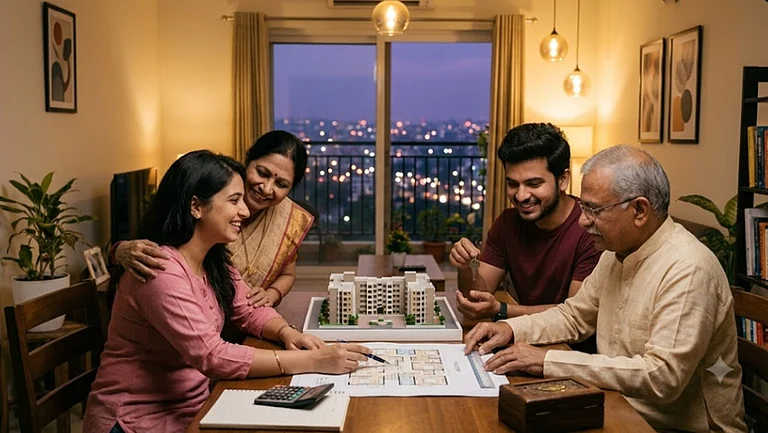


For many buyers now, weekend homes are not just about lifestyle anymore. They are also being seen as long-term investments. Places that see new infrastructure, growing business activity and better connectivity usually experience gradual property value growth over time.
Khopoli already benefits from its proximity to established industrial clusters such as the MIDC belt, which continues to generate employment in the area. At the same time, fresh investments in logistics hubs and data centres are slowly strengthening the local economy. The upcoming Navi Mumbai Airport Influence Notified Area (NAINA) Smart City is also expected to support further urban development across nearby regions.
Many investors are often drawn to locations before they fully mature. In Khopoli’s case, property prices are still relatively within reach when compared with some well-established weekend home destinations. For early buyers, this creates an opportunity to enter the market while the area is still evolving.
“As Indian cities continue to expand and everyday routines grow more demanding, the need for accessible getaways is unlikely to disappear. In that changing landscape, destinations like Goa and emerging locations such as Khopoli are both carving their place in India’s evolving second home market - offering a mix of lifestyle comfort, convenience and long-term value,” says Malhotra.





