

Summary of this article
NCDRC ordered LIC to pay Rs 60 lakh in claims
Mother will receive Rs 61.5 lakh before applicable interest
Premium receipts showed payment before the policyholder’s hospitalisation
LIC could not prove prior diabetes knowledge or material non-disclosure
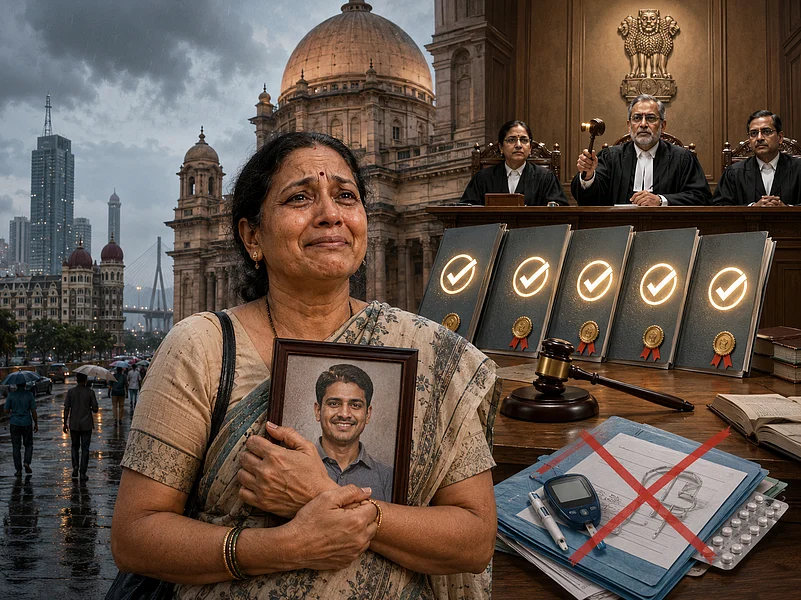
A Mumbai mother has won relief after the Life Insurance Corporation of India (LIC) rejected five claims following her son’s death in 2013. The National Consumer Disputes Redressal Commission (NCDRC) directed LIC to pay Jayshree Suresh Gambhir Rs 60 lakh under policies taken by her son, Nitin Suresh Gambhir.
It also retained Rs 1 lakh as compensation for mental agony and litigation costs of Rs 50,000. This takes the amount to Rs 61.5 lakh before interest. The Rs 60 lakh policy amount will carry interest at nine per cent a year from July 11, 2014, until payment.
Why LIC Refused The Claims
Nitin had proposed for five LIC policies in June 2010 and was examined by a doctor on the insurer’s panel. Three policies began on August 26, 2010. For the other two, the family said the first premiums were paid on September 7, according to a recent report by The Times of India.

1 October 2026
Get the latest issue of Outlook Money

On September 11, Nitin was admitted to a Mumbai hospital with a wound on his right leg that had not healed. Hospital papers recorded him as a known diabetic for two months. He was discharged on September 13 and died of cardiac arrest in June 2013.
LIC later said he had withheld his diabetes and hospitalisation history in the proposal form. It rejected all five claims in July 2014.
The Maharashtra State Consumer Disputes Redressal Commission allowed the claims under the first three policies but upheld the rejection of the other two. LIC and Jayshree then filed cross-appeals.
Premium Receipts Changed The Outcome
For the final two policies, LIC relied on receipts dated September 13, the day Nitin left the hospital. The NCDRC, however, said those documents showed when the receipts were issued, not when LIC received the money.
Jayshree produced proposal deposit receipts dated September 7. Each recorded receipt of a premium of Rs 40,100. The commission accepted these documents and held that LIC had received the money four days before Nitin was hospitalised.
The proposal required Nitin to report an adverse change in health between submitting the form and payment of the first premium. Since LIC had received the premiums before his hospital admission, the commission found no failure on this count.
No Proof Of Earlier Knowledge
The NCDRC also found no medical record showing that Nitin had diabetes, or knew about it, when he signed the proposal on June 27, 2010. A later discharge note referring to two months of diabetes was not enough to prove prior knowledge. Another hospital record from February 2013 described him as non-diabetic.
The commission further noted that Nitin died nearly three years later from cardiac arrest. LIC had not established a link between his earlier leg condition and his death.
LIC’s appeal was dismissed, while Jayshree’s appeal covering the remaining two policies was allowed.
FAQs
1. Why did the NCDRC allow claims under all five LIC policies?
LIC could not prove that Nitin knew about diabetes when he completed the proposal form. The premiums were also received before his hospitalisation.
2. Can an insurer reject a claim for not disclosing an illness?
An insurer must establish that the policyholder knew about a material medical condition and withheld it. A later diagnosis alone may not justify rejection.
3. How much did the NCDRC direct LIC to pay?
LIC must pay Rs 60 lakh under the policies, Rs 1 lakh as compensation, and Rs 50,000 as costs. The policy amount carries nine per cent annual interest.