





Summary of this article
India’s proposed Public Insurance Registry (PIR) aims to end the ‘silent policy’ crisis by creating a central database of all insurance policies.
This PIR will be linked to unique IDs like mobile, PAN or government documents.
It promises easier claim discovery for families, consolidated policy visibility, fewer claim disputes, and a shift from paper-based uncertainty to digital assurance.
By Shilpa Arora
The insurance industry in India is standing at a crossroads. For years, we have talked about increasing penetration, but we rarely discuss the utilisation gap. We buy policies to protect our families, yet billions of rupees in unclaimed settlements sit with insurers. In India, insurance is often a silent purchase, bought from a bank or an agent and then tucked away, sometimes forgotten even by the person who bought it.
The proposed Public Insurance Registry (PIR) by the IRDAI is not just another digital database. It is a necessary attempt to fix the lost policy crisis that haunts thousands of Indian households.




The Problem Of The Silent Policy
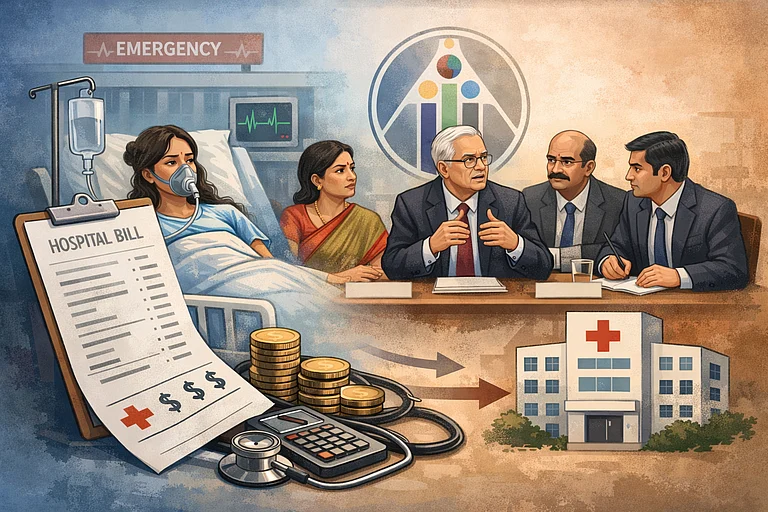
We observed a recurring pattern. A breadwinner passes away, and the family is left scrambling. Because money matters are rarely discussed openly in Indian homes, nominees may not even know which company provided the life or health cover.
Often, policy documents surface two or three years after a death, discovered while cleaning out an old desk or moving houses. By then, the trail has gone cold, and the struggle to reconstruct documentation becomes an uphill battle. The PIR aims to change this by creating a central repository where every policy is linked to a unique identifier such as a mobile number, PAN, or other government ID.
A Consolidated Statement For Insurance
The mutual fund industry has transformed. Today, you can get a single statement that shows every investment you own across different fund houses. The PIR could do exactly that for insurance. Whether you have health insurance with one company or a term plan with another, you would finally see your entire protection portfolio in one place.
This transparency is a massive shift for two reasons:
1. Nominee Empowerment: If a family knows where the policies are, the search phase of a claim is eliminated. This reduces the emotional and financial stress for family members.
2. Accountability: When all policies are visible on one screen, it is easier to spot overlaps or cases of incorrect sales practices where a policyholder might have been sold duplicate products they did not need.

The Hidden Benefit: Better Underwriting
There is another side to the PIR that people are not talking about enough; that is, its impact on how we buy new insurance. Currently, when someone applies for a new policy, they are supposed to disclose their existing sum assured and medical history. In reality, many people forget these details or leave them out.
With a registry, insurers can probably see the total coverage a person already holds. This helps in more accurate underwriting and prevents people from being insured beyond their financial capacity. More importantly, if a medical condition was disclosed in an old policy, it will be visible. This protects the buyer because most claims are rejected due to the failure to disclose previous facts. If the data is transparent from day one, there are fewer excuses for an insurer to reject a claim later.
The Road Ahead: Execution Is Everything
The success of the PIR depends on how it is built. We have to address the data hygiene issue. For this to work, every insurer, including public and private ones, must participate without friction. There must also be a clear way to digitise old physical paper policies currently sitting in files.
Final Thoughts
We have spent decades viewing insurance as a transaction. Now the time has come that we view it as a service delivered at the moment of need. The PIR has the potential to bridge the gap between buying a policy and benefitting from it.
If implemented thoughtfully, PIR will ensure no family is deprived of their claim just because they could not find a piece of paper. It is time to move from hidden documents to digital certainty. Only then will insurance in India fulfil the promise it makes at the point of sale.
The author is a Co-founder and Chief Operating Officer at Insurance Samadhan
(Disclaimer: Views expressed are the author’s own, and Outlook Money does not necessarily subscribe to them. Outlook Money shall not be responsible for any damage caused to any person/organisation directly or indirectly.)





