Summary of this article
Midlife financial pressure rises despite higher household income
Children’s education, parental care, and retirement planning often collide
Health insurance and emergency funds can protect family finances
Retirement SIPs should continue even during high-expense years
For many households, the years between 35 and 55 are not marked by a lack of income, according to a recent post on LinkedIn. They are marked by too many claims on that income.
A person may be earning more than before, but the money is already spoken for. There are school fees, tuition, transport and college plans for children. There may be equated monthly installments (EMI), rising household bills and insurance premiums. Then come costs that are harder to predict: an elderly parent’s tests, medicines, hospital admission or the need for a caregiver.
This is the period when three financial priorities collide—children, parents and one’s own retirement. It can leave even well-paid professionals feeling that every salary hike disappears before the month is over.
1 August 2026
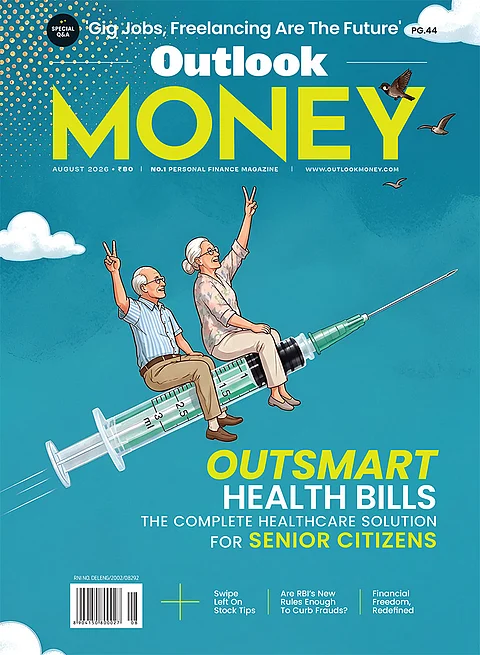
Get the latest issue of Outlook Money

More Income, But Little Breathing Space
The strain usually builds slowly. A family may manage comfortably when children are young, and parents are independent. But education costs rise as children move to higher classes. Medical spending can increase sharply once parents grow older. A home loan or other debt may still be running in the background.
The problem is often handled one month at a time. A credit card is used for an urgent bill, a systematic investment plan (SIP) is paused when school fees are due, or savings are withdrawn for a medical expense. None of these decisions may appear serious on its own. But when they become a pattern, the family’s financial base begins to weaken.
Retirement planning is often the first casualty. That can be risky because these are also the years when an individual should ideally be saving the most for later life. Lost investment time is difficult to make up, particularly when retirement is only 10 or 15 years away.
Put Family Costs On The Financial Map
The first step is to stop treating education and parental support as unexpected expenses. The exact amount may not be known, but both are foreseeable responsibilities.
Make a list of what parents need every month: medicines, doctor visits, health insurance, domestic help and a medical contingency fund. Separately, estimate likely education costs for the next five to 10 years. The purpose is not to predict every bill accurately, but to understand how much of the household income is already committed.
Health insurance needs a close review too. A policy bought years ago may have a low sum insured or conditions that force the family to pay a large part of the bill. Check parents’ cover, co-payment clauses, waiting periods and exclusions before a claim arises.
An emergency fund matters even more when one income supports several dependants. It should cover EMIs, school-related spending, regular medical costs and essential household expenses.
Retirement Cannot Be Left For Later
Supporting parents and educating children are important responsibilities. But neither should mean reaching one’s sixties without adequate savings.
Keep retirement investments running, even if the contribution has to be reduced temporarily. Automating SIPs or pension contributions can help ensure they are not treated as optional each time expenses rise.
The middle years can feel financially relentless. But a clear view of family obligations, proper insurance and a retirement plan that remains protected can make the pressure easier to handle.
FAQs
Why do people between 35 and 55 often face financial pressure despite earning more?
This is the stage when children’s education, parents’ healthcare, EMIs and household costs rise together. Higher income may not leave much surplus once these commitments are met.
Should I pause my SIPs to manage school fees or medical bills?
Pausing investments may help in an emergency, but doing it repeatedly can hurt long-term goals. Build an emergency fund and plan separately for predictable education and healthcare costs.
How can I protect retirement savings while supporting parents and children?
Keep retirement contributions automated and review the household budget regularly. Adequate health insurance for parents and a separate emergency fund can reduce the need to dip into retirement investments.