







Summary of this article
The Uttarakhand High Court held that excess pension paid after commutation can be recovered from a retiree’s monthly pension.
The court said the pensioner had a duty to inform authorities after receiving full pension despite taking the commuted amount.
The court dismissed the writ petition and allowed recovery of the excess payment.
When a pension is commuted, the monthly pension amount is reduced; however, if an employee has been paid a full pension despite having taken the commuted pension, the excess amount paid is recoverable, clarified the Uttarakhand High Court in a recent hearing. The high court upheld the recovery of undeducted pension and addressed the limits of departmental error while ordering the recovery of public funds.
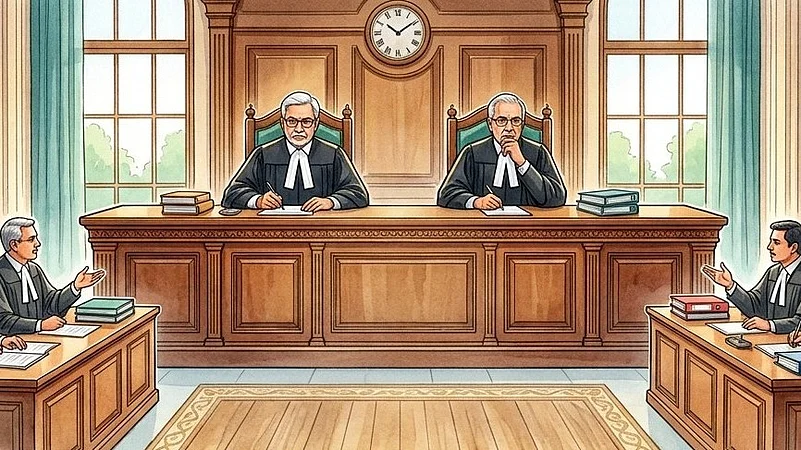
Although the petitioner (pensioner) argued that the burden of such clerical mistakes should solely fall on the government, the court reminded and underscored the duty of honesty for pensioners. The bench, led by Chief Justice Manoj Kumar Gupta, clarified the state’s right to recover excess payment against a retiree’s financial stability in such a case.



Case Background
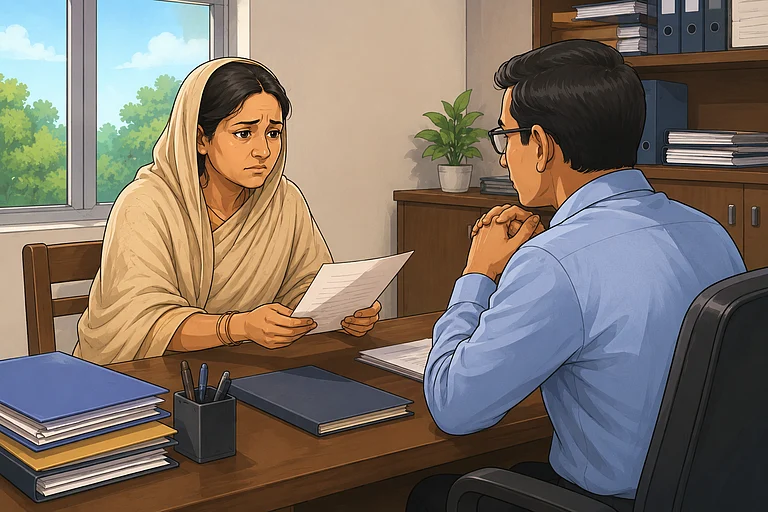
The petitioner, a retired circle officer from District Tehri Garhwal who superannuated in July 2017, applied for pension commutation following his retirement and received around Rs 19 lakh in a lump sum in October 2017. Effectively, his monthly pension, under the pension payment order (PPO), was to be reduced from Rs 48,300 to Rs 28,980 on account of commutation, and this deduction of Rs 19,320 was to be continued until August 2025.
However, due to an administrative mistake, these deductions were never made, and the pensioner continued receiving the full amount. The error was discovered during an audit objection, and the department initiated the recovery of Rs 18,19,819 through an additional monthly deduction of Rs 20,000 starting in November 2025, from the retiree’s pension.

Arguments
The petitioner did not dispute receiving both the lump-sum commutation and the full monthly pension. His counsel argued that it’s the department’s sole responsibility to refund the excess payment because it was at fault for not deducting the commutation amount. Further, they contended that the proposed recovery of Rs 20,000 per month was very high for a retired person.
The respondent’s (State’s) Standing Counsel argued that it is necessary to recover the public funds and noted that even at the current rate (Rs 20,000 per month), it would take several years to recover the total outstanding amount.

Court Observation
The court observed that while the department committed an error, the petitioner also failed in his civic duty. The Bench noted that it was the petitioner’s responsibility to point out the mistake as soon as he realised receiving a full pension despite the commutation amount. The court held that the petitioner was not entitled to receive a full pension and was definitely not entitled to retain the amount paid to him by mistake.
The Bench also found that the argument regarding the retiree’s financial hardship was also unconvincing, noting that even after the total deductions of approximately Rs 39,320 per month, the pensioner receives a monthly pension of Rs 37,310. The court also highlighted that the government is not charging any interest on the amount being recovered.
Court Judgment
The court, comprising Chief Justice Manoj Kumar Gupta and Justice Subhash Upadhyay, dismissed the writ petition, finding no grounds to interfere with the Department’s recovery process. The court held that the retiree (petitioner) has no legal right to keep the excess payments.





