





Summary of this article
Early tax planning spreads investments through the year, easing cash flow and avoiding last-minute financial strain.
It shifts the focus from tax-saving alone to choosing products that genuinely support long-term goals.
Starting in April allows time to evaluate options beyond Section 80C, improving overall tax efficiency.
Planned, early decisions reduce errors, improve compliance, and build lasting financial confidence.
Every year, as March approaches, individual taxpayers repeat the same pattern. They scramble to collect investment proofs, last-minute purchases are made to exhaust tax limits, and financial decisions are driven more by deadlines than by intent. While this approach may reduce tax liability for the year, it rarely leads to sound financial outcomes.
Says Atish Jain, CEO, Choice Connect: “Having worked closely with advisors, partners, and everyday taxpayers, one thing has become clear to me: most tax stress is not caused by taxes themselves, but by delayed planning. Over the years, I’ve found that effective tax planning is not something that should be rushed in the final weeks of the financial year. It is a process that works best when started early - ideally at the beginning of April, when a financial year starts.
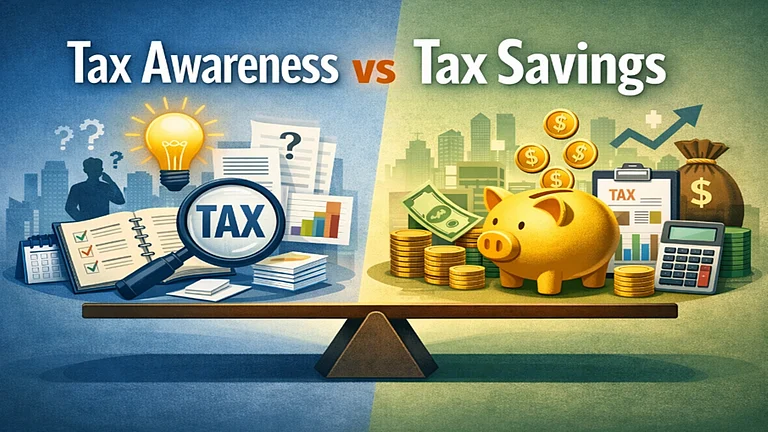
March Planning Is Reactive, Early Planning Is Intentional
When tax planning is left until the end of the year, decisions are often made under pressure. Investments are chosen quickly, without fully understanding product features, lock-in periods, or long-term suitability. The focus shifts to “saving tax” rather than building financial stability.
Starting early changes this behaviour. It allows individuals to plan with clarity, compare options, and make choices that align with their financial goals. Instead of reacting to a deadline, they are making informed, intentional decisions.
Better Cash Flow and Less Financial Stress
One of the most practical benefits of early tax planning is smoother cash flow management. Spreading investments across the year is far more sustainable than making lump-sum commitments in February or March.
“Through our interactions with partners and customers, I’ve seen how early planning helps individuals avoid financial strain. When investments are planned gradually, people are able to balance savings with everyday expenses without feeling pressured at the end of the year,” says Jain.
Choosing The Right Products - Not Just Tax-Saving Ones
When tax planning starts early, people have the time to evaluate whether an investment genuinely fits their needs. Insurance is chosen for protection, not just deductions. Mutual funds are aligned with risk appetite and time horizon. Retirement planning moves beyond exemptions and focuses on long-term income security.
In contrast, last-minute planning often results in over-investing in familiar tax-saving instruments without considering overall portfolio balance. Over time, this can limit wealth creation and reduce financial flexibility.
Looking Beyond Section 80C
Tax planning in India is frequently limited to exhausting Section 80C limits. While this section is important, it is only one part of the broader tax framework. Provisions such as Sections 80D, 80CCD, and capital gains planning can play a significant role in improving tax efficiency when used correctly.
Starting early allows individuals to take a more holistic view of their finances - coordinating salary structure, investments, and long-term goals.
Fewer Errors, Better Decisions
Rushed tax planning increases the risk of mistakes- incorrect declarations, incomplete documentation, or investments made without fully understanding the terms. These errors often surface later, creating compliance issues or regret.
“Early planning offers the flexibility to review, adjust, and course-correct as circumstances change, whether due to a job switch, income revision, or major life event,” observes Jain.
Building a Healthier Approach to Money
One benefit we don’t talk about enough is how early tax planning changes the way people relate to money. Instead of viewing taxes as a last-minute obligation, individuals begin to see financial planning as an ongoing, thoughtful process.
“This shift - from urgency to intention - is something I’ve seen make a real difference in long-term financial confidence,” Jain says.




Final Thought
One thing is clear: tax planning works best when it is calm, intentional, and done early.
Planning in March may help reduce taxes for the year - but planning from the start of the financial year helps people make better financial decisions overall. And that matters far more than last-minute tax savings.





