






Summary of this article
Debit card transactions will drop significantly in India by FY31.
UPI growth and cardless cash withdrawals drive this rapid decline.
Users now prefer debit cards mainly for higher ticket purchases.
For years, debit cards have been seen as a symbol of upward mobility for Indians. Holding the piece of plastic meant you had entered the formal banking system. However, with rapid advancements in financial technology, newer ways of making payments have increasingly become popular.
Amid the rise of these digital transacting methods, debit card usage is set to decline sharply in the years to come. According to Price Waterhouse Coopers' Payments Handbook 2026, the total number of debit card transactions across the whole country is expected to fall to just 851 million by FY31 from 1.28 billion in FY26.
On the other hand, the total number of debit cards in India is set to reach around 1.13 billion by FY31, according to PwC. When these two projections are seen together, the math points to the average usage dropping below one swipe per year for each active card by FY31.


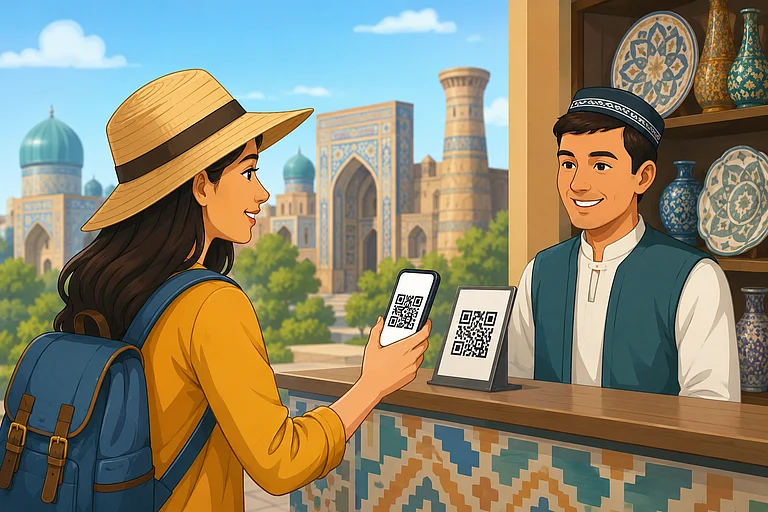

Debit Card Numbers Set To Increase, Usage Projected To Drop
In theory, it seems paradoxical that despite a rise in the number of total debit cards, the usage of each card is projected to fall rapidly. To understand this paradox, it is important to understand how debit cards are issued in India versus how they are actually used.
The number of debit cards in circulation continues to increase modestly in India, according to the report, simply because debit cards are usually issued by default alongside new savings and current accounts. These new accounts remain a key source of low-cost deposits for banks, keeping the card issuance engine running steadily. The Centre’s push for digitisation and formalisation of household savings is expected to spur debit card issuance.
However, spending habits are changing, and the number of transactions done with cards is on the decline. Over the past three years, transaction volumes have seen an annual decline. Historically, an average debit card was swiped about 4.5 times a year in FY21, which dropped to 1.2 times in FY26, and is expected to fall to just 0.8 times by FY31.
Despite the decline, the average ticket size per transaction has grown from Rs 1,647 in FY21 to Rs 3,480 in FY26, and is projected to hit Rs 4,000 rupees by FY31. This, in turn, hints that people are swiping less frequently, but when they do, it is typically for larger, necessity-driven payments where direct account debits are preferred.
Why Debit Cards Are Losing Ground
One of the key reasons why debit cards are being replaced is the rapid growth of the Unified Payments Interface (UPI). Notably, UPI has emerged as the dominant retail payment rail in India. UPI provides a mobile-first user experience that removes the need to enter card details and await one-time passwords (OTP).
Additionally, the role of the debit card as an essential cash access tool is eroding. Interoperable cardless cash withdrawals using UPI are gaining traction, allowing users to withdraw money from ATMs without needing a physical card.
What This Means For The Average Debit Card User
For the average card user in India, the debit card is shifting from a basic payment tool to a secondary instrument for relatively higher ticket purchases, where paying via a debit card is preferred. However, debit cards are expected to continue to remain pivotal for accessing basic features such as UPI PIN setup and authentication even if their usage recedes.
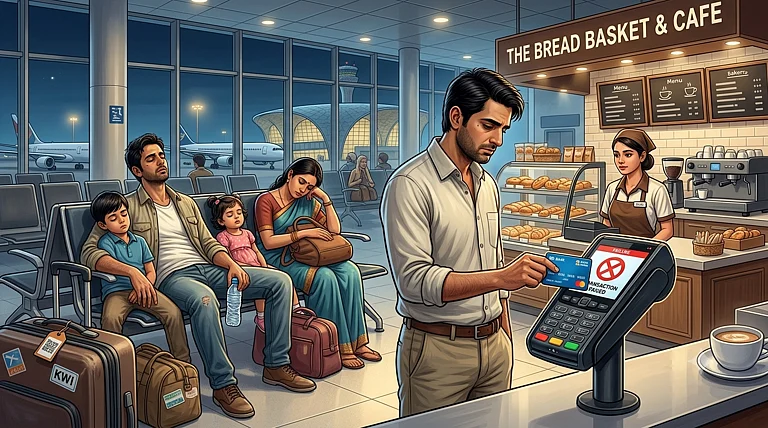
Given the projection, users can opt for virtual digital debit cards. On the other hand, customers holding onto physical cards can evaluate their annual maintenance charges, while the costs typically range in a few hundred per year, over many years, these amounts can add up and cost card users for a service they might not be using that frequently. They can also consider downgrading to a basic variant to save some money.





