





Summary of this article
Environmental and climate risks moved from abstract threats to everyday insurance realities
Digital claims and servicing reduced friction, especially beyond metro cities
Mental health coverage entered the mainstream as a core healthcare need
Insurance buying shifted from “one-size-fits-all” to more personalised, risk-aware protection
In 2025, insurance in India stopped being just a formality you ticked off and tucked away. It became tangible - connected to the air we breathe, the storms we can’t foresee, and the mental health challenges we’re finally acknowledging. For years, India lagged behind the world in coverage. But 2025 felt different. People began seeing insurance not as paperwork, but as real protection - something that matters when life throws darts.
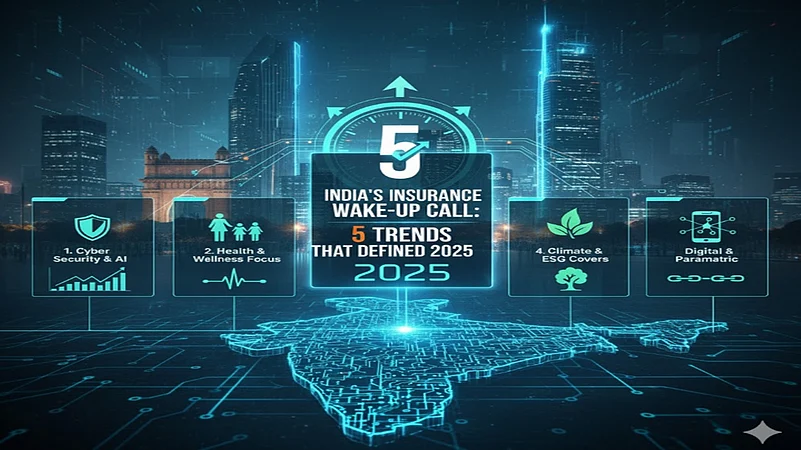
Here are 5 trends that defined this shift.
1. When Air Became A Health Liability
Winter in North India used to mean sweaters and fog. Now it means masks and medical bills. Respiratory issues aren’t just seasonal anymore; they’re chronic, recurring, and showing up in insurance claims more than ever.
"Environmental risks used to live in theory," says Venkatesh Naidu, CEO at BajajCapital Insurance Broking Ltd. "In 2025, they started showing up in claim files. Families aren’t asking if pollution matters, they're asking how well they’re covered for it. And it’s not just air quality. Floods, hailstorms, sudden heavy rains - these aren’t freak accidents anymore. They’re predictable financial threats. And people are starting to treat them that way, looking at their coverage with fresh urgency."
It wasn’t just the air. Weather events disrupted homes, livelihoods, and savings. While insurers saw a spike in claims, the bigger shift was in perception: environmental events were now real financial risks, demanding attention and deliberate planning.

2. Digitalization
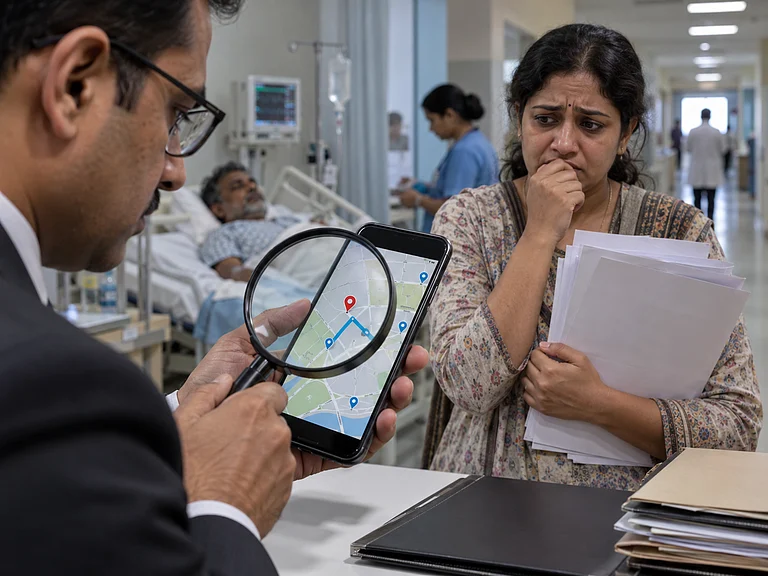
Insurance has promised digital convenience for years. In 2025, it finally delivered. Claims could be filed from phones, documents uploaded instantly, and settlements tracked in real time. No more waiting on hold. No more wondering if paperwork got lost. "The value isn’t replacing human support," Naidu explains, "it’s removing unnecessary hassle when families are already dealing with enough. When your kid’s in the hospital, the last thing you need is insurance bureaucracy."
This change spread beyond metros. Smaller cities now had access to the same tools and transparency. People who engaged with these platforms experienced smoother claims; those who didn’t often struggled not because the system failed, but because they hadn’t learned to use it yet.
3. Mental Health
While technology made claims easier, another quiet revolution was happening. Mental health coverage stepped into the mainstream. Anxiety, depression, and stress-related treatments, once hidden or optional, began appearing regularly in claims. For insurers, this wasn’t just policy, it was recognition that mental wellbeing is healthcare, period. 2025 marked a long-overdue cultural shift: mental health was no longer a footnote in insurance.
4. The Wake-Up Call Got Loud
India’s protection gap, the difference between what families need and what they actually have, became impossible to ignore in 2025. Awareness campaigns, government initiatives, and more honest conversations pushed people to finally pause and take stock of their coverage. Policy discussions spilled into public discourse. The GST 2.0 debate added fuel, followed closely by the move to allow 100 per cent FDI in the insurance sector. Premiums were questioned more closely than ever before. People began asking not just how much they were paying, but what they were actually paying for.
Slowly, a shift took place. Insurance decisions became more deliberate. Families started making smarter, more intentional choices not to buy more cover blindly, but to buy the right kind. And little by little, the protection gap began to narrow.
5. One Policy Couldn’t Protect Everyone Anymore
For years, insurance in India worked on a simple assumption: one standard policy could cover most lives reasonably well. In 2025, that assumption began to fall apart. Risk stopped looking uniform. A family living near a floodplain worried about very different things than one in a high-rise. A farmer facing erratic rains carried a different kind of uncertainty than a salaried professional in a metro.
Even within cities, exposure began to vary street by street, lifestyle by lifestyle. People started reading exclusions more carefully. They asked why premiums differed, why certain losses weren’t covered, why geography mattered so much. Insurance, for the first time, had to explain itself.
Insurers responded by rethinking how protection is built. Coverage became more location-aware, pricing more reflective of real exposure, and products more flexible than before. Slowly, insurance began to move away from averages and towards individuals.
The real shift was this: people stopped buying policies hoping they’d fit. They began choosing protection that actually made sense for their lives.



What It All Means
2025 didn’t just sell more policies. It changed how Indians think about insurance from a dusty document to an active financial tool. Three lessons stand out: reassess coverage for risks you didn’t consider before, use the digital tools available, and focus on protection, not paperwork.
"Insurance matters most at 2 AM in hospitals, after accidents, during floods," Naidu concludes. "Awareness, not just ownership, is what families really need."
India is finally waking up to what insurance should be. Smarter consumers, proactive regulators, and technology removing friction mean the sector is ready to deliver on its promise: real security when life gets unpredictable.





