

Summary of this article
Winter amplifies multiple risks at once, turning small coverage gaps into large out-of-pocket expenses
Underinsurance hurts more than no insurance when claims are partially paid
Health, motor, travel and home covers must be viewed as a connected safety net, not standalone policies
Adequacy matters more than premiums when seasonal risks collide
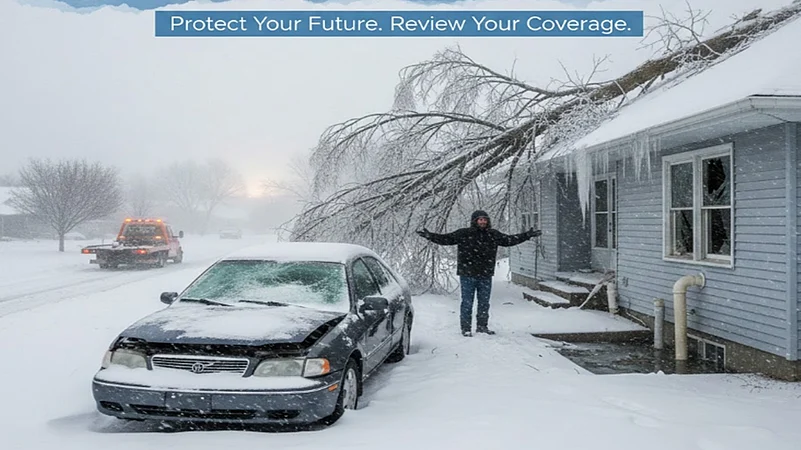
The Singh family discovered this over one December week in North India. A slip on a foggy pavement led to a hip fracture -and a hospital bill that wasn’t fully covered. Their son’s car skidded on a low-visibility stretch near Gurgaon, exposing gaps in his motor policy. Their daughter’s return flight from Mumbai was cancelled due to bad weather, leaving three extra hotel nights fully out of pocket.
Three claims. Three policies. And one uncomfortable realisation: being insured is not the same as being adequately insured.

“Winter is when insurance gaps surface simultaneously,” says Sanjiv Bajaj, Jt Chairman and MD at BajajCapital Ltd. “People plan for isolated events. What they’re unprepared for is everything going wrong at once.”
Take health first. Cold weather causes blood vessels to constrict, raising blood pressure and increasing strain on the heart. According to studies cited by the Indian Council of Medical Research, cardiovascular incidents peak during colder months, especially among older adults. Add respiratory infections and pollution-heavy air, and hospitals see a predictable seasonal spike. Yet many families still rely on Rs 5 lakh health covers with room rent caps and sub-limits. On paper, it looks sufficient. In practice, it isn’t.
“A room rent cap doesn’t just limit your room - it reduces the entire claim proportionately,” Bajaj explains. “That’s when families realise their Rs 6 lakh surgery still leaves them paying lakhs from savings.”
Roads Get Riskier, Repairs Get Costlier
Winter also changes how accidents happen. Dense fog and low visibility don’t always increase the number of crashes but they increase their severity. According to the Ministry of Road Transport and Highways, India recorded over 4.7 lakh road accidents and 1.7 lakh fatalities in a single year, with winter fog cited as a major contributing factor in northern states. Yet many car owners still carry only third-party insurance or skip critical add-ons to save a few thousand rupees. “That saving feels smart until one fog-related accident costs Rs 1.5 lakh in repairs,” Bajaj notes. “Insurance should be priced against risk, not convenience.”
Travel Plans Unravel Fast In Winter
Winter is also a peak travel season and peak disruption season. Fog delays, cancelled flights, extended hotel stays, and lost baggage during crowded holiday travel aren’t rare events. They’re predictable patterns. Despite this, travel insurance remains optional in many households, especially for domestic trips. “People underestimate how expensive small disruptions become,” says Bajaj. “A Rs 500 policy can prevent a Rs 50,000 problem.”
Winter activities like hill travel, road trips, adventure sports only amplify the risk, especially when medical facilities are limited or delayed.
The Forgotten Risk: Home
Winter keeps families indoors longer. Heaters run continuously. Electrical load increases. Fire risks rise. So does the risk of theft when families travel. Yet home insurance remains one of India’s most neglected protections. “Home insurance isn’t just about the structure,” Bajaj says. “It’s about contents, liability, and peace of mind - especially when usage patterns change in winter.”
The Winter Readiness Checklist
Before the season peaks:
Review all policies together, not individually
Check health insurance for room rent caps, sub-limits, and adequacy
Upgrade motor cover and add zero depreciation where relevant
Never skip travel insurance - domestic or international
Consider home insurance if you don’t already have it
Maintain an emergency fund for deductibles and uncovered expenses
Winter has a way of arriving without warning - and so do the bills that follow. When that happens, insurance shouldn’t come as a surprise. You can’t change what last winter exposed, but you can prepare for the one ahead.