






Summary of this article
Peak-season congestion turns delays, baggage issues and missed connections into cascading disruptions
Airlines handle operations; travel insurance covers the personal costs that follow
Medical emergencies and baggage delays are the most common - and costly - December claims
Understanding coverage before departure reduces stress when plans unravel
At the baggage carousel in Frankfurt, the excitement faded quietly. A couple stood watching the belt circle again and again. Their winter jackets were in the missing bags. So were medicines, gifts for family, and the clothes meant for a snow-filled holiday. Outside, December looked magical. Inside, uncertainty crept in.
December travel often begins with joy and unravels in moments like these.
Every year, December records the highest spike in travel-related disruptions. Flights run full, airports operate at peak capacity, weather interferes across continents, and seasonal illnesses rise. When something goes wrong, it rarely stays small.
“December doesn’t increase risk, it magnifies it,” says Venkatesh Naidu, CEO at BajajCapital Insurance Broking Ltd. “When millions travel at the same time, even minor disruptions can quickly snowball into stressful situations.”
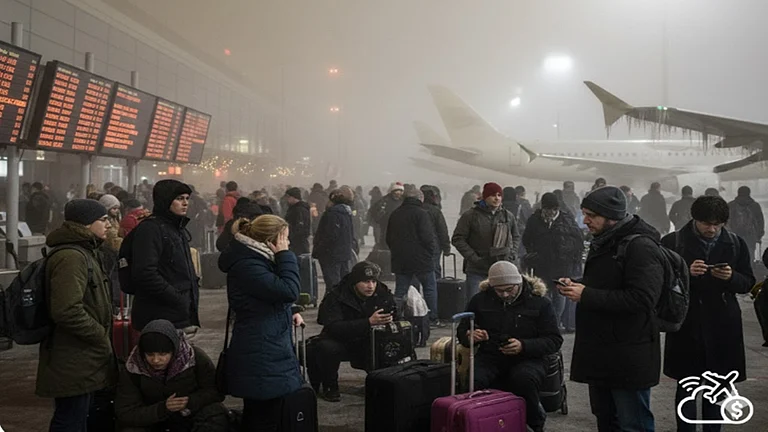
When Travel Meets Reality
Most travellers expect delays to be managed by airlines. But December exposes the fine print. Airlines are responsible for operational recovery like rebooking flights, offering meal vouchers, sometimes arranging basic accommodation, and tracing delayed baggage. What they don’t cover is the personal fallout: missed hotel bookings, winter essentials purchased due to baggage delays, medical bills abroad, or trips cut short due to emergencies. This is where confusion often sets in and where many travellers realise too late that airline support and travel insurance serve very different roles.
“Travellers often overestimate what airlines are responsible for,” Naidu explains. “Insurance doesn’t replace airline support. It covers the consequences that fall on the traveller.”
What Travel Insurance Actually Covers
Comprehensive travel insurance typically protects four areas that become most relevant in December:
Medical emergencies abroad - Insurance covers hospitalisation, doctor consultations, diagnostics and emergency treatment costs airlines do not cover at all. In unfamiliar healthcare systems, this support is often the most critical.
Trip cancellation or interruption - If illness, hospitalisation or family emergencies force a trip to be cancelled or cut short, insurance helps recover prepaid, non-refundable expenses like flights and hotels.
Baggage delay, loss or damage - While airlines track baggage, insurance pays for essential purchases when bags are delayed and compensates if luggage is permanently lost.
Travel delays and missed connections - Extended delays can mean unexpected hotel stays, meals and local transport. Insurance absorbs these costs when airline assistance is limited during peak congestion.
These are not rare scenarios in December - they are routine disruptions happening at scale.
The Realisation
For many travellers, the realisation arrives mid-journey. Standing at a foreign airport. Searching for a hospital late at night. Wondering whether to spend freely and sort it out later or hold back and hope for the best.
“The difference we see isn’t between insured and uninsured travellers,” says Naidu. “It’s between those who understood their coverage before travelling and those discovering it under stress.”
Travel insurance is most useful when its scope and limits are understood in advance like medical caps, baggage delay thresholds, claim timelines and assistance services.
Choosing the Right Cover for December Travel
December travel doesn’t require over-insuring - it requires appropriate coverage.
Travellers should look beyond basic, visa-compliant plans and check:
Adequate medical cover for the destination
Baggage delay benefits that activate within 6–12 hours
Missed connection and trip interruption cover
24×7 international assistance services
“These aren’t insurance checkboxes,” Naidu notes. “They’re stress-reduction tools during the most crowded travel month of the year.”
Before You Board
December will always be festive, crowded and unpredictable. Flights will be full. The weather will be uncertain. Plans will occasionally falter. The real value of preparation isn’t avoiding disruption, it's knowing what happens after disruption. For readers, the takeaway is simple: airlines manage the flight; travel insurance manages everything around it. When expectations are clear, decisions are calmer, and even disrupted journeys remain manageable. Because peace of mind doesn’t come from perfect travel – it comes from knowing that when things don’t go to plan, you’re not figuring it out alone.





