Summary of this article
US–India trade deal removes key overhang for Indian markets
Export-led sectors gain earnings visibility and employment momentum
FPI sentiment improves as trade uncertainty eases significantly
Stronger growth outlook supports long-term investing and insurance demand
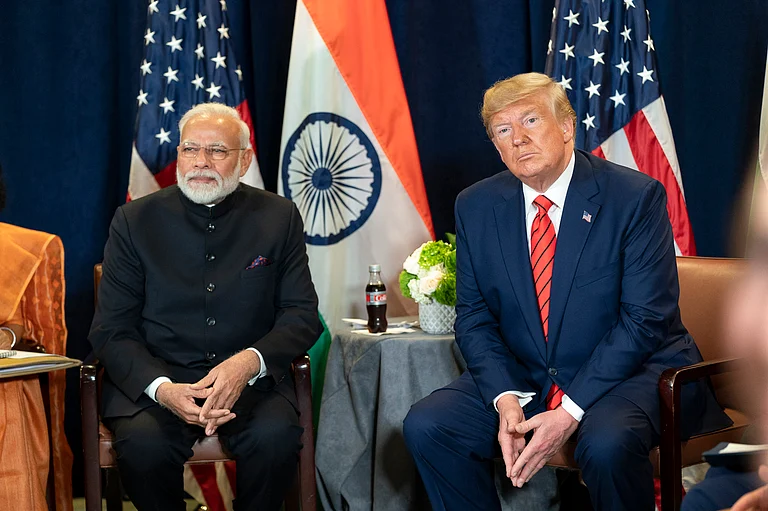
The recently announced US–India trade deal has emerged as a key positive trigger for Indian markets. The timing made it all the more crucial as the domestic investors were already grappling with valuation concerns and lingering global uncertainties. With the US accounting for a significant share of India’s exports, the agreement is being seen as a timely boost for growth, sentiment, and long-term investment prospects, according to experts.
According to a report by UBS, the US accounted for US$92 billion, or 20 per cent of India’s goods exports, equivalent to about 2.2 per cent of India’s GDP as of calendar year 2025. This shows the importance of smoother trade ties between the two economies and explains why markets have reacted favourably to the development.
Elara Capital, in a recent note, described the evolving trade landscape as the “start of good times” for Indian asset classes. The brokerage pointed out that progress on the US deal, coupled with momentum from recently concluded free trade agreements with the UK and the European Union, has created a distinctly bullish environment for Indian assets. While valuation concerns versus peers and the overhang of the global AI (artificial intelligence) trade persist, the report does not rule out Indian equities emerging as the best performers in Asia in the coming weeks.

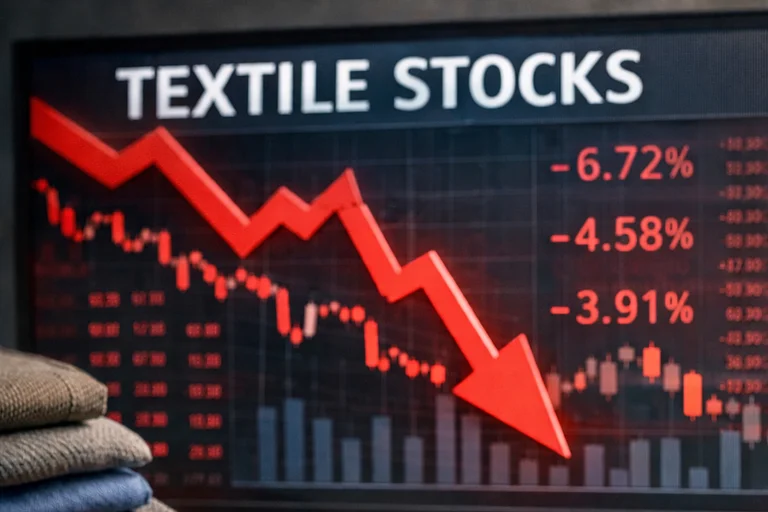

From a sectoral perspective, export-oriented industries are expected to see immediate benefits. Among the key beneficiaries are gems and jewellery, which accounted for 11.5 per cent of India’s exports to the US in calendar year 2024, followed by machinery and equipment at 8.1 per cent, and textiles and apparel, which average about 3.2 per cent of exports. These sectors are both employment-intensive and sensitive to tariff changes, making the trade deal particularly significant for earnings visibility and job creation.
Market experts believe the agreement also helps address a major concern for foreign investors. Vishal Dhawan, Director - Network FP and CEO, Plan Ahead Wealth Advisors, noted that the absence of a trade agreement had been a “significant overhang” for India as an investment destination.
“With a trade deal in place, that overhang has been removed, allowing investors to focus on what matters most - earnings growth underlying businesses and the valuations that those businesses are available for,” he said, adding that reduced uncertainty could also ease pressure on the rupee and support consumption by improving employment outlook in sectors like textiles and leather.
The positive impact is not limited to equity markets. Tarun Chugh Jain, MD & CEO, Bajaj Life Insurance, highlighted the broader economic ripple effects of the deal.
“This India-US trade deal is excellent news for the Indian economy and comes at just the right time,” he said, noting that improved trade ties, alongside a growth-focused Budget, have strengthened confidence in India’s economic momentum.

“When trade grows, and businesses do well, it creates a ripple effect with more jobs, higher incomes, and greater financial security for families. That’s when people start thinking long-term about protection (insurance) and wealth creation.”
For retail investors, experts believe that the message is clear: while near-term market movements may vary, the trade deal strengthens the medium-to-long-term case for Indian equities and supports the broader ecosystem of savings, investments, and insurance.