





Summary of this article
EGRs are digitally owned gold without physical ownership of the metal
EGRs are regulated by Sebi unlike digital gold
The National Stock Exchange (NSE) on May 18 opened trading in Electronic Gold Receipts (EGRs), creating a new avenue for Indians to invest in gold without holding the metal physically. The move is being seen as a major step towards formalising and digitising India’s gold market.
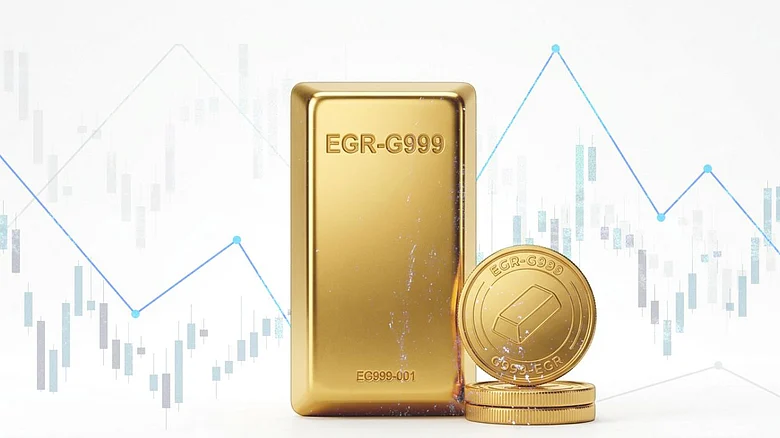
EGRs are electronic securities backed by actual physical gold stored in vaults regulated by the Securities and Exchange Board of India (Sebi). Investors can buy and sell them on the stock exchange just like shares. The receipts are credited directly to the investor’s demat account and follow a T+1 settlement cycle. Trading will take place from 9 am to 11:30 pm on weekdays, with extended timings during US daylight saving periods.

The product is aimed at solving many of the problems associated with owning physical gold. Traditional gold purchases often involve concerns around purity, storage, theft risk and deductions during resale. In the case of EGRs, the gold is certified and stored safely in regulated vaults, without having to take physical ownership of the gold.
NSE has introduced EGR contracts in multiple flexible denominations. Investors do not have to invest a large lump sum to participate. The receipts range from 1 kg, 100 grams and even 100 milligrams, with purity levels of 99.5 per cent and 99.9 per cent. This makes the product accessible to both small retail investors and larger institutional participants.
What is an EGR?
An Electronic Gold Receipt is essentially a digital proof of ownership of physical gold. Investors deposit gold with a Sebi-approved vault manager, after which an EGR is issued in demat form. These receipts can then be traded on exchanges like any other security instrument. Investors also have the option to convert EGRs back into physical gold if needed.

How are EGRs different from digital gold and ETFs?
Although EGRs may look similar to digital gold products, there are important differences. Digital gold is usually offered by fintech platforms and is not regulated by Sebi. Investors buy gold online similar to EGRs, but the product structure and storage standards can vary across platforms. However, EGRs are regulated and involve exchanges, clearing corporations, depositories and licensed vault managers under the markets regulator.
Other securities, such as gold ETFs, are mutual fund products that track gold prices. Investors in ETFs do not directly own physical gold. In the case of EGR, holders own gold backed one-to-one by physical metal stored in vaults. EGRs can also be converted into physical gold, which is usually not an option with ETFs for retail investors.





