





Summary of this article
It's useful to have short term credit when you need money for a short span of time, be it an emergency or if your salary hasn't been credited yet. But make sure to pay it off.
If there's any discount during the festive season or any cashback offers, make use of it if you had planned on buying the item and you're getting a good deal.
Having a couple of EMIs or just paying your minimum amount on credit cards doesn't seem like much but these amounts will add up over time.
For young India, credit has never been closer. A RuPay credit card linked to UPI, a buy-now-pay-later option at checkout, an instant loan in two taps. The limited sneaker drop goes live at 12 noon and the festive sale ends at midnight. Credit is often the fastest way to say yes.
That speed is useful, but it is also the risk.
“At POP, we see a generation that is ambitious, digital-first and highly value-conscious. Many of them are also handling credit for the first time. The difference between a smart move and a costly one comes down to a single question: do you know exactly how and when you will repay it?” says Bhargav Errangi, Founder, POP, a rewards-first consumer platform.
Here are five situations where short-term credit can make sense.
1. You're waiting on money that's already coming: The sneakers you've tracked for weeks drop on the 28th. Your stipend or salary lands on the 1st. Buying on a credit card and clearing the full bill once the money arrives costs you nothing, as long as you repay within the interest-free period. You aren't borrowing beyond your means. You're only adjusting the timing.
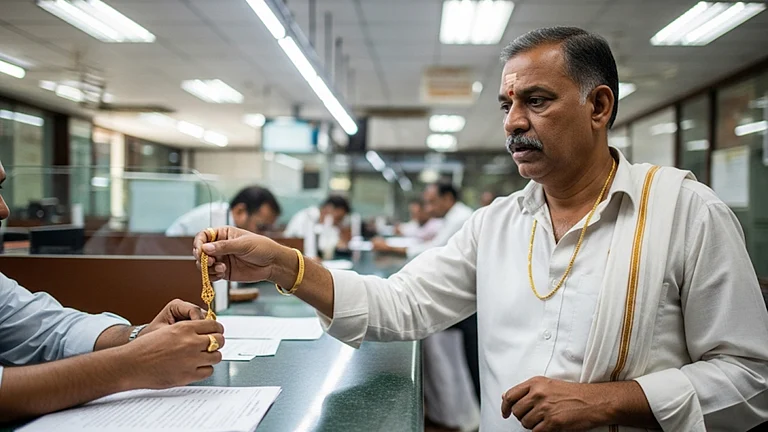
2. A festive deal on something you were going to buy anyway: If a headphone you needed is genuinely cheaper during the Diwali sale, credit lets you lock in the price today. Check the fine print on "no-cost" EMIs first. Processing fees, GST on the interest component, or a lost upfront discount can quietly cancel out the deal.
3. Building your credit score early: Most young Indians start with a thin credit file. That can mean rejections or higher rates later, when you apply for an education loan, a car or a first home. Putting everyday spends like food delivery, metro top-ups and subscriptions on a card and paying the full bill on time every month is the simplest way to build a strong record from day one.
4. A genuine emergency: A medical bill or a broken laptop the week before submissions doesn't wait for your savings. “Credit is a reasonable first response here. Follow it with a clear repayment plan, and then start building the emergency buffer that should have covered it,” says Errangi.
5. Earning rewards on spends that are already in your budget: Cashback and platform rewards can make routine spending work harder for you. The reward is a bonus for discipline, not a reason to spend.
And When It Doesn't Make Sense
* FOMO purchases: If you are buying because a countdown timer told you to, pause. Ask yourself whether you could pay for it in full next month or in the interest-free EMI period. If the answer is no, it is not affordable on credit either.
* Paying only the minimum due: This is the costliest habit in personal finance. “Card interest in India commonly runs at around 3–4 per cent a month. Carried over a year, that can turn a discounted sneaker into the most expensive pair you own,” informs Errangi.
* Stacking small EMIs: A BNPL here and a Rs 999 EMI there can each feel harmless. Together, they can take a large share of a first salary. Total what you already owe before you add more.
* Borrowing to repay borrowing: Using one card or app to clear another means your spending has run ahead of your income. That is the moment to reset your budget, not to raise your limit.

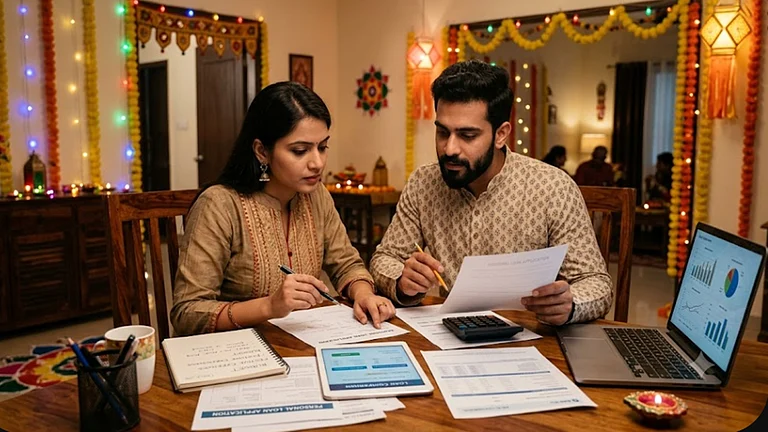

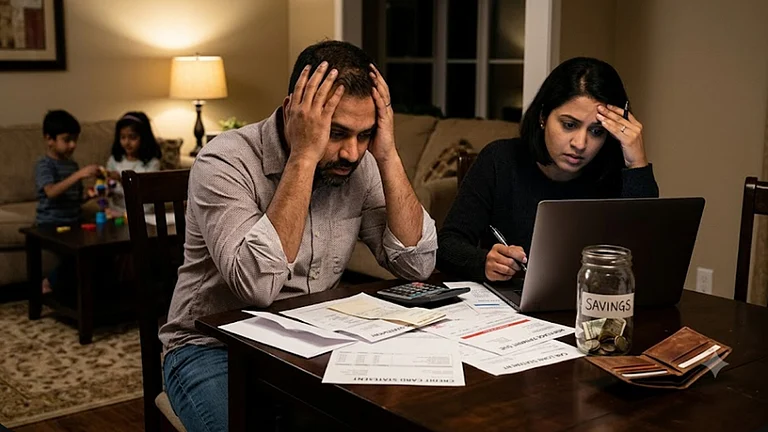
“Young India doesn't need to be told to avoid credit. It needs to use credit with intent. Every swipe is a promise with a date attached. Keep it, and credit becomes a tool for building your financial future, not a weight you carry into it,” says Errangi.





