





Summary of this article
India’s ABHA IDs have crossed 90 crore, with Uttar Pradesh, Rajasthan and Maharashtra leading registrations.
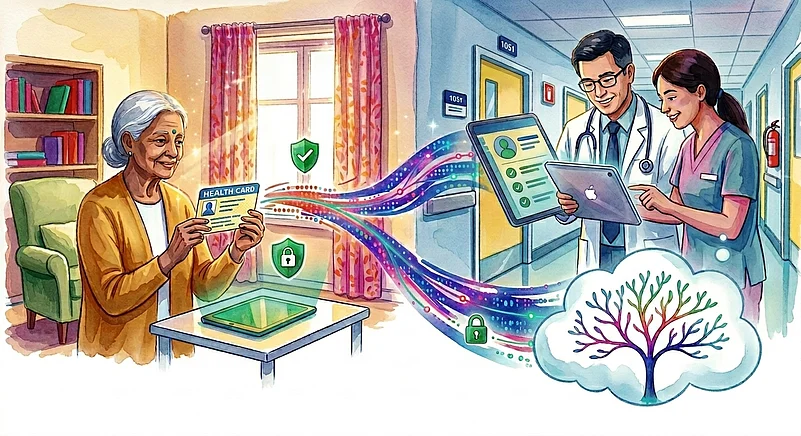
The 14-digit digital health ID links patients, doctors and hospitals, offering a single access point for prescriptions, lab reports and medical history.
The card is voluntary and consent-based, it eases record management for users.
The Ayushman Bharat Health Account (ABHA) IDs have crossed the 90-crore mark in 202, with Uttar Pradesh, Maharashtra, and Rajasthan leading the way with the maximum creation of these health cards. According to the latest available data, Uttar Pradesh has created 1,533 lakh ABHA cards as of the date, and Rajasthan has secured its position as the second-highest contributor with the creation of 719.5 lakh cards. Maharashtra holds third place with the issuance of 711.3 lakh ABHA cards.
But what is this health card, and why are states focusing on issuing more cards to the citizens of their state? Let’s understand.
What Is An ABHA ID Card?
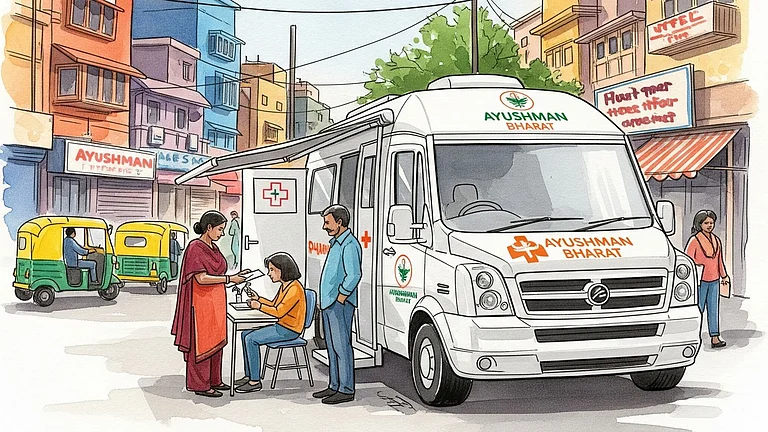
ABHA card issuance is part of the Ayushman Bharat Digital Mission (ABDM). The ABHA ID is a unique 14-digit health identity, given to the person who applies for the card. This ID or the number acts as a digital platform that connects the patients, doctors, and hospitals across the country.


What Benefits Does This Card Offer?
Its primary purpose is to provide a single point of access to a user’s medical record and other health-related details, such as diagnostic reports, lab results, prescriptions, etc. For many citizen, this digital storage system offers them easy access to their medical records and provides them a way to manage their health journey directly on their mobile phones. This also allows them to easily share their records across different registered medical facilities.
For senior citizens, this is especially useful as it eliminates the need to maintain physical records, papers, files, etc., which often becomes a significant burden in old age. The struggle to manage bulky folders of prescriptions, bills, and diagnostic reports is real and can be overwhelming for them. The ABHA card addresses this and offers a solution by organising these records and information digitally. It also ensures that the information remains readily available when needed.

One of the most vital aspects of the ABHA system is that it is completely voluntary. The registration can be done entirely online whenever a user wants. The more important point is that even after the registration, the system remains consent-based. A cardholder’s medical data cannot be shared with the healthcare professionals or anyone else until the cardholder gives explicit permission for it. To ensure that users have control over sharing their health-related information, the platform offers a feature through which the beneficiaries can revoke access to their records at any time.
Despite these benefits, current data show a significant demographic gap in adoption. The 19-45 age group holds a majority (53 per cent) of ABHA IDs, while senior citizens represent only 13 per cent of the ABHA cardholders. The reason behind the lower number of senior citizens could be attributed to a lack of digital awareness or even a general apprehension towards digital modes of accessing sensitive information.
FAQs
Is it mandatory for all citizens to create an ABHA ID card?
No, registration for the ABHA ID is completely voluntary. If one is willing to apply, the process is entirely online.
How secure is a person’s medical data within the ABHA digital ecosystem?
The system has digital security measures in place. A patient’s medical records cannot be shared with anyone, including the doctors, without their explicit consent.
What advantage does the ABHA card offer to senior citizens?
It allows seniors to manage their medical history, including prescriptions and lab reports, digitally, without the requirement to carry papers or bulky physical files.





