

Summary of this article
Prepaid shopping cards could lose your money
Here are tips how to use shopping cards with prudence
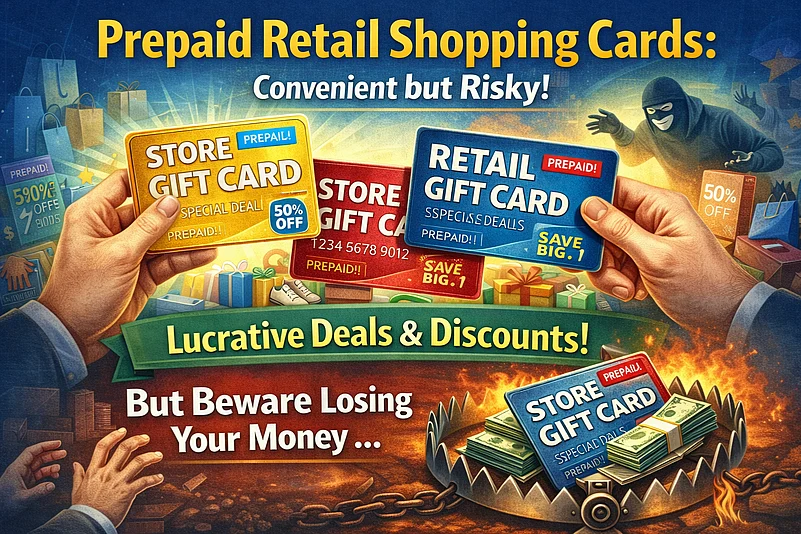
Prepaid shopping cards or store-specific payment card options have become increasingly popular. Many grocery chains, fashion retailers and even coffee shop chains offer these cards to customers where they offer rewards and discounts on products to the cardholders at the time of purchase.
At first glance, these shopping cards seem like a smart move. You can preload the card with money and avoid hassles of cash or online payment, while also getting some points or cashback in return. You can also redeem these points on future purchase. All this sounds pretty good for the cardholder.
However, if not monitored consciously, these cards could leave you spending a lot more than you might actually want to.
How Does That Happen
When you deposit some money to your bank account, that money can be used for all kinds of purposes, from an emergency to an investment. But in case of a shopping card, once you preload the money into these cards, the money gets locked with that particular company.

Additionally, once the preload is done, the money leaves your account and sits with the company, which it can use for operations, investment, or even to earn interest. Meanwhile, the customer often does not have the luxury to withdraw the cash deposited in these cards other than using it for buying products available at these stores. Even if one’s preference changes or price of these products rise, the money preloaded in these cards are already committed to the company.
A shopping card reduces the customer’s liquidity, as that money cannot be used for any other purposes, except for purchasing product from that particular brand. Also, it reduces the spending resistance for customers. Once a customer has preloaded some amount in the shopping card, the pinch of spending in every transaction disappears, which can increase the overall spending for the customer in the brand. The idle money sitting in the shopping card also does not reap any interest or return other than some points or discounts earned through every subsequent purchase.
Many of these retail shopping cards also come with expiry clauses. If the customer does not use up the balance amount within a fixed period, the value in these cards could lapse either partially or fully. Customers usually tend to forget about the expiry and any small balances in the card. The money which is not used turns to a 100 per cent profit for the company.
It should also be noted that in case the company goes bankrupt or closes down, the money in these retail shopping cards is lost forever.

How To Use These Cards In A Smart Way
If you are planning to use a retail shopping card, avoid preloading a large lump-sum amount in the card. Start with small amounts which you plan to spend in a short span of time. This will also help you keep a track of your spending habits.
Additionally, avoid preloading and keeping the money for long durations in a particular store. Keep track of the expiry dates and the clauses for expiry of the card. This will help you monitor the card daily to avoid losing your money. Also, treat the card as cash and monitor how much you are spending on each shopping visit, so that you do not end up overspending. In cases of emergency, your bank accounts and credit cards always provide a better flexibility to spend your money and protection against such losses.