






Summary of this article
Tax depends on investment form and holding period length
Short-term gains taxed at slab rates across metals
Long-term gains face uniform 12.5 per cent tax
Selling gold or silver often appears straightforward, but the tax treatment can be layered. The tax payable does not depend only on price appreciation. It also depends on how the metal was purchased, how long it was held, and the route used to exit the investment. For income tax purposes, gold and silver are classified as capital assets, but they are not treated as a single category.
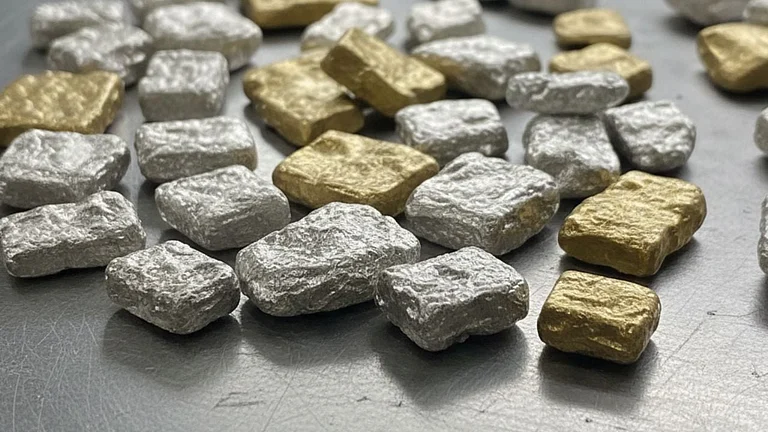
Each investment form comes with its own definition of short-term and long-term, which determines whether gains are taxed at slab rates or at a fixed capital gains rate.
Common Ways Indians Hold Gold And Silver
Gold investments come in the form of jewellery, gold coins, and gold bars. They may also be bought on digital gold platforms, gold exchange-traded funds (ETFs), and gold mutual funds. All of them offer exposure to gold prices but differ from one another on the basis of the legal structuring and taxation system.
Investing in silver mainly consists of investing in physical silver, such as coins, bars, and utensils, digital silver, and silver ETFs. There is no such instrument as the Sovereign Silver Bond.
Holding Period Determines Tax Category
The holding period decides whether gains are classified as short-term or long-term. This classification has a direct impact on the tax rate applied.
For physical gold and physical silver, including jewellery, coins, bars, and utensils, gains become long-term if the asset is held for more than 24 months. Long-term capital gains are taxed at 12.5 per cent plus applicable cess and surcharge. Indexation benefits are no longer available. If the holding period is 24 months or less, the gains are treated as short-term and added to total income. They are then taxed according to the applicable income tax slab rate.
Digital gold and digital silver are taxed at the same rates as the physical versions. A holding period of more than 24 months is considered long-term, which is taxed at 12.5 per cent without indexation. Sales made in 24 months lead to short-term gains that are taxed at slab rates.
Gold and silver ETFs follow a different holding structure. For these listed instruments, gains are long-term as long as the holding period is more than 12 months. Long-term gains are taxed at 12.5 per cent without indexation. If sold within 12 months, the gains are treated as short-term and taxed at slab rates.
Gold mutual funds are treated differently from ETFs. In spite of being invested in gold, they are classified as debt-oriented mutual funds for tax purposes. A holding period of more than 24 months is required for gains to qualify as long-term. Long-term gains are taxed at 12.5 per cent without indexation, while short-term gains are taxed at slab rates.
GST Is Paid At Purchase, Not At Sale
Both gold and silver attract Goods and Services Tax (GST) at the time of purchase. This tax is paid in advance and is not paid if the metal is sold. GST does not directly affect the computation of capital gains, but it makes the total cost of acquisition higher, which may affect the final amount of gain.
Why Timing Matters In Precious Metal Taxation
Across gold and silver investments, the broad tax structure now follows a flat long-term capital gains rate of 12.5 per cent without indexation. However, exiting before the specified holding period pushes gains into short-term classification, where they are taxed at the investor’s income tax slab rate.
This makes the holding period a central factor in determining tax outcomes. The same price movement can result in very different post-tax results depending on when the asset is sold and in what form it is held.
In gold and silver, tax outcomes are shaped as much by structure and timing as by price movements.





