Summary of this article
RBI monitoring supply shocks turning into broader inflation pressures
Neutral policy stance gives RBI flexibility amid global uncertainty
Wider inflation tolerance band supports temporary supply shock management
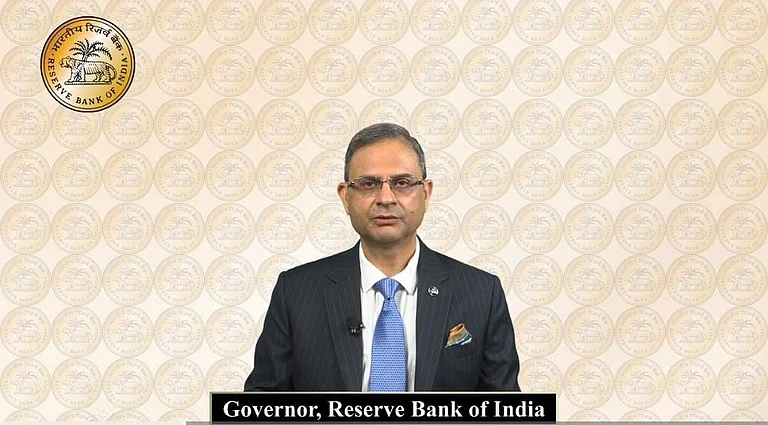
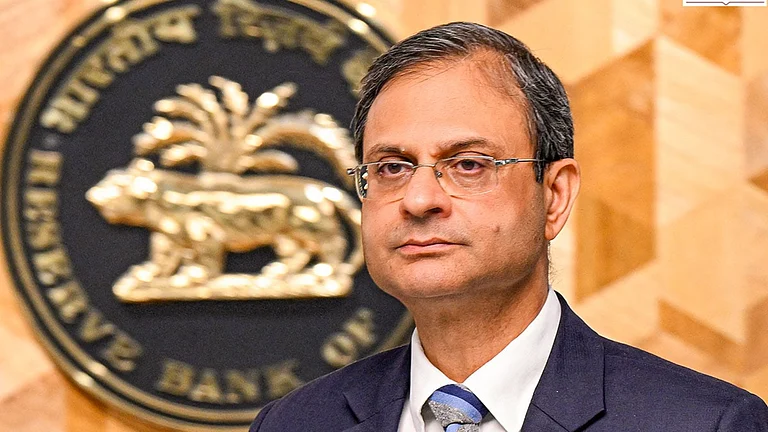
The Reserve Bank of India (RBI) is closely monitoring inflation risks arising from supply shocks and will take monetary policy action if such pressures become widespread in the economy, RBI Governor Sanjay Malhotra stated.

Speaking during a panel discussion organised jointly by the Swiss National Bank (SNB) and the International Monetary Fund (IMF) in Switzerland last week, Malhotra said the central bank remains alert to changes in inflation trends amid global uncertainty.
He said India is familiar with frequent supply shocks and RBI generally chooses to “look through” the first-round impact if the disruption appears temporary and likely to ease quickly.
RBI Watching For Wider Inflation Impact
Malhotra explained that the central bank becomes concerned when price increases spread across the broader economy. According to him, a sustained rise in prices can increase wages, transportation expenses and production costs, leading to what economists call second-round effects.
Once inflation pressures become more generalised, RBI may need to tighten monetary policy to control prices, he said.
“We are keeping a close vigil on whether and when the supply shock can become embedded in the general price level that may warrant monetary policy action,” Malhotra said during the discussion.
RBI has been maintaining a neutral monetary policy stance since June 2025. According to the governor, this approach gives the central bank flexibility to respond quickly to changing economic conditions and incoming data.
Inflation Target Provides Policy Space
Malhotra said that RBI’s inflation framework allows room to manage temporary volatility caused by supply-side disruptions.
India’s inflation target is fixed at 4 per cent, with a tolerance band of 200 basis points on either side. This means inflation can move within a range of 2 per cent to 6 per cent before breaching the target band.
He said the wider tolerance range provides policy space to absorb short-term supply shock-related volatility while continuing to focus on medium-term price stability.
Greater Focus On Data Amid Uncertainty
The governor also highlighted the uncertain global economic environment and said its broader macroeconomic impact is still unfolding.
In such conditions, he said, central banks need to remain flexible and avoid making firm commitments on the future path of policy measures.
Malhotra added that policymakers should become more data-dependent during uncertain periods and continuously reassess risks to growth and inflation.
According to him, the decision on whether to overlook temporary inflation depends largely on how long the price rise lasts and whether inflation pressures spread widely across the economy.