





Summary of this article
53 per cent may avoid UPI payments above Rs 3,000.
Most users prefer cards, cash or bank transfers instead.
Proposed law may allow government to reintroduce UPI MDR.
More than half of Unified Payments Interface (UPI) users may switch to other payment methods for transactions above Rs 3,000 if merchant discount rates return for large merchants, a LocalCircles survey has found.
The survey involving 45,000 respondents from across 322 districts in India found that 53 per cent of respondents would move away from UPI for transactions above Rs 3,000 if merchants are charged merchant discount rate (MDR).

Credit Cards, Debit Cards Among Alternatives
Among those who may stop using UPI for higher-value transactions, 27 per cent said they would switch to credit cards. Another 14 per cent said they would use debit cards, while 12 per cent spoke of choosing bank transfers or cash, the survey revealed.
The survey also found that 18 per cent would continue using UPI if the merchant pays the MDR. Another 12 per cent would continue using UPI even if they have to bear the charge themselves. For 14 per cent of respondents, the decision would depend on the amount of the fee imposed on the transaction.
The findings have come as the government has proposed amendments to the Payment and Settlement Systems Act, 2007. The changes could allow the Centre to introduce MDR on UPI by removing the current zero-MDR provision under Section 10A.
What Is MDR And How Would It Impact UPI
MDR is a fee that merchants pay for processing digital payments. The charge is generally shared among banks and other payment service providers involved in processing a transaction. At present, UPI transactions do not carry MDR. The zero-MDR system has been in place for UPI and RuPay debit card transactions since 2020.
The proposed amendments do not introduce a direct fee for consumers using UPI. Instead, the government could get the power to decide which notified digital payment modes remain exempt from MDR.
If MDR is introduced for UPI transactions, merchants might have to pay a part of the transaction value as a processing fee. For instance, if a customer pays Rs 4,000 through a payment method that carries an MDR, the merchant might receive less than the full amount after the applicable fee is deducted.
For UPI transactions under the current system, merchants receive the full amount paid by customers.

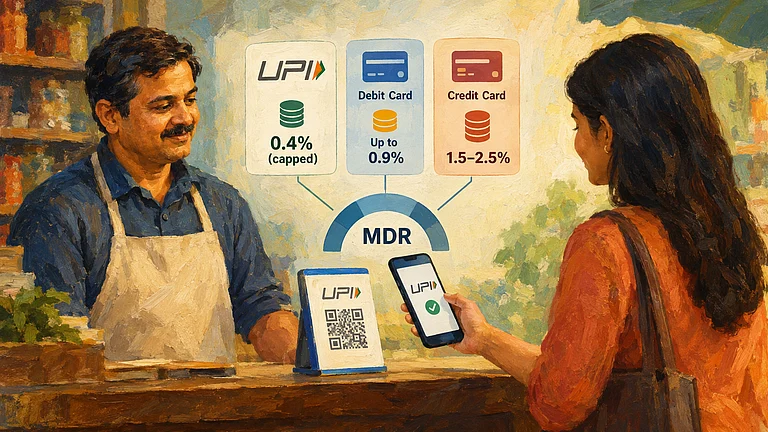
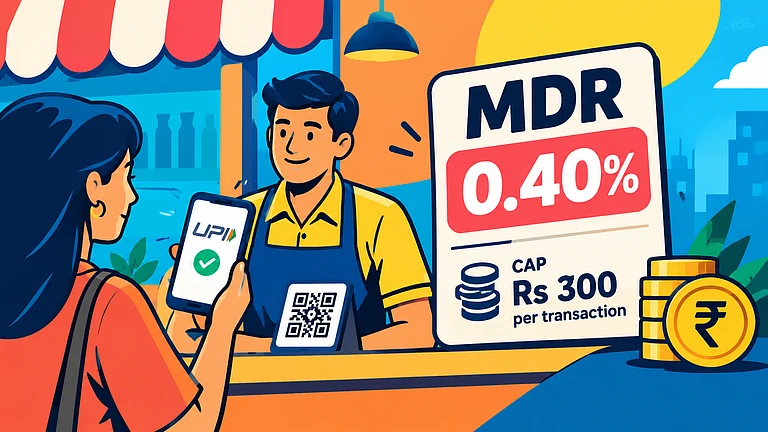

The survey has indicated that the introduction of MDR could influence how consumers choose to make higher-value payments. More than half of the respondents surveyed have said they may consider alternatives to UPI for transactions above Rs 3,000 if merchants are charged the fee.
The findings have suggested that credit cards, debit cards, bank transfers and cash could become alternatives for some users if MDR is introduced on larger UPI transactions.





