







Summary of this article
DGFT restricted silver imports to curb trade deficits.
Sudden supply disruptions will drive domestic prices higher.
Buyers will face elevated costs and higher premiums.
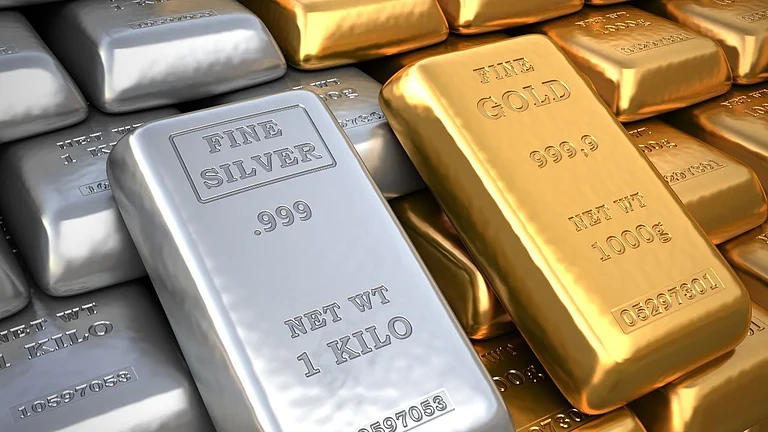
On May 16, the Directorate General of Foreign Trade (DGFT) shifted the import of silver bars from the "Free" category to the "Restricted" category. The DGFT, under the Ministry of Commerce and Industry, specified in its notification that the restriction specifically targets semi-manufactured silver products and bullion-grade silver bars with 99.9 per cent or more purity by weight.
Prior to the notification, inbound shipments of silver products and bullion-grade silver bars were allowed to flow freely across borders and were governed primarily by general Reserve Bank of India (RBI) norms. However, the entry of silver has been halted completely, and importers must secure a formal government license or dedicated authorisation from the DGFT before executing any foreign inward shipment of the precious metal.



Why Did DGFT Restrict Silver Imports
DGFT’s notification to restrict silver imports comes amid a widening import bill. Silver imports have witnessed an exponential growth, surging by an astronomical 149.48 per cent to reach a massive $12.05 billion over the last fiscal year. The measures are aimed at reducing demand for the imported bullion, safeguarding the rupee, and curbing the widening import bill as crude oil prices rise due to the ongoing Iran conflict. The Union government also sharply hiked the standard customs duty on gold and silver from 6 per cent to 15 per cent to discourage domestic consumption on May 13.
How Will The Market React
With the DGFT order, the domestic commodity market will immediately price in and factor this development on the morning of May 18. Commodity exchanges, particularly the Multi-Commodity Exchange (MCX), are set to witness a highly volatile and disruptive opening session.
Market participants can expect traders to factor in the sudden disruption to the physical supply pipeline by building a notable "scarcity premium" directly into domestic futures contracts. In the coming days, the commercial supply will depend entirely on the pace of government licensing approvals. On the other hand, the local spot price of silver is expected to sharply disconnect from global benchmark rates, inducing speculative price swings on Monday as institutional desks, bullion dealers, and short-sellers recalibrate their risk exposure.
Immediate Impact on Silver Buyers
For the average silver buyer, these policy adjustments are expected to directly translate into a squeezed supply. Consumers looking to purchase physical silver for upcoming weddings, festive occasions, or traditional family savings or investors looking to purchase silver bars, might have to bear a heftier acquisition cost as the 15 per cent standard customs duty, the 3 per cent Integrated Goods and Services Tax (IGST), and the inevitable premiums local jewellers will add to protect their own depleting inventories. Jewellers are likely to pass these operational friction costs down to end consumers via higher base rates and elevated making charges.

Notably, these policy changes and price hikes are expected to change the way the average investor views silver. Typically, the asset has been historically viewed as an accessible and more affordable alternative to gold. However, now the physical market requires paying a heavy domestic premium that distances retail prices from true international values.





