

Summary of this article
PIB Fact Check warns public about fake e-PAN download email
Fraudulent messages aim to steal personal and financial details
Income Tax Department urges users to report phishing attempts
The Press Information Bureau's (PIB) Fact Check unit has issued a caution to the public about a fraud email circulating online, which claims to allow users to download their e-Permanent Account Number (e-PAN) card. Authorities have made it clear that the message is fake, and people should not respond to such emails or click on any links provided in these emails.

In a post on X (formerly Twitter), the government's fact-checking arm cautioned users against sharing sensitive information through suspicious emails, calls, SMS, or links. The advisory pointed out that cybercriminals often design such messages to make them look genuine and confuse recipients.
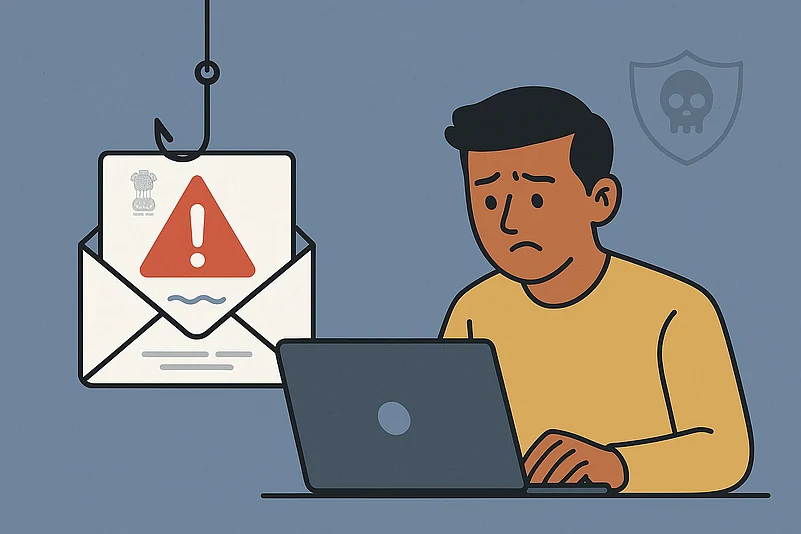
The fraud email contains a link or attachment for downloading an e-PAN card. However, officials said such communications are not issued by the authorities, and are part of phishing attempts with the goal of gathering confidential information from unsuspecting users.
Income Tax Department Releases Advisory Regarding Phishing
The Income Tax Department had also issued a warning against phishing and beware of fake emails, seemingly sent from the Income Tax Department. These communications can come in the form of email, text messages, or fake websites that look similar to official government portals.
According to the department, such messages are intended to trick the recipient into disclosing sensitive personal or financial information, such as login credentials, bank account details or card details. In some cases, the emails may also contain attachments or links that will instal malicious software on a user's device.
Officials have said that the Income Tax Department does not ask for confidential information like password, PIN, or complete details of bank accounts through emails or other electronic messages. Taxpayers are advised to be wary if they receive unsolicited communications seeking such information.
Phishing emails often rely on a sense of urgency or are designed in official looking formats to encourage the user to act hastily. Messages can purport to come from a financial institution or another authoritative organisation and may say that a document needs to be downloaded immediately or that some action is required to avoid penalties or rectify some issues with an account. Authorities explain these tactics are often used by scammers to persuade recipients into clicking links without fact-checking the authenticity of the link.
How Users Can Stay Safe
The Income Tax Department has asked taxpayers not to open attachments or click on links coming from unknown or suspicious sources. Even copying and pasting a link from such emails into a Web browser can cause users to access fraudulent Web sites designed to steal personal information.
Users are encouraged to only check tax related communications through the official government portals, rather than through links provided in emails / messages. Authorities also suggest that users should keep antivirus and security software updated to minimise the risk of being infected by malware.
If people receive suspecting emails from the Income Tax Department, they can report the incident through official channels of the department. Such emails can be forwarded to webmanager@incometax.gov.in with a copy sent to incident@cert-in.org.in. Original message or email header information can be provided to the authorities to track the source of the phishing attempt.
Officials have also urged taxpayers to be cautious about unsolicited communications related to tax services. As phishing scams continue to evolve, verifying the authenticity of messages and relying only on official sources is one of the best ways to stay clear of being victims of financial fraud or identity theft, authorities say.