







Summary of this article
The Climate Resilient Ageing 2026 report by HelpAge India shows how climate change is reshaping life for India’s seniors.
The report highlights how seniors, especially those living alone, with impairments or in poverty, are affected by climate risks.
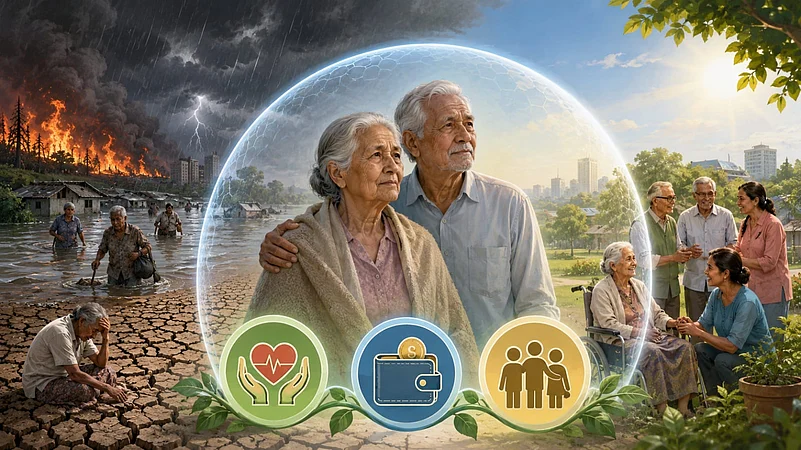
It reveals that seniors actively adapt, with resilience that primarily hinges on family support, healthcare access, and secure housing.
The heatwaves, sudden floods, and unexpected changes in the climate affect senior citizens severely. That is not just in terms of health but also financial security, social support, access to services, and housing issues. The recently released report, "Climate Resilient Ageing: Ensuring Care, Dignity and Agency" by HelpAge India, offers a look into how such environmental shifts are affecting the lives of the older population in the country, especially older persons living alone, persons with impairment, the oldest-old, and economically disadvantaged households.
Threat To Health And Home
According to the report, the climate-related risks do not strike in isolation. They attack the health, livelihood, and housing of older persons at the same time. It reveals that heatwaves worsen chronic illnesses, fatigue, and mobility challenges among seniors. A flood or storm often brings immediate damage, like disrupting access to essential medicines and healthcare services. For those with impairment, these events lead to increased physical limitations and a greater dependence on caregivers.
However, the report suggests that the consequences of these events last much longer after the hazard has passed. Many seniors reported a steady decline in physical resilience due to repeated exposure to extreme weather. Housing recovery, particularly for poorer households and those in environmentally exposed areas, is often slow. The damaged roof, walls, and poor sanitation leave them vulnerable to the next event.




Livelihoods And Financial Fragility
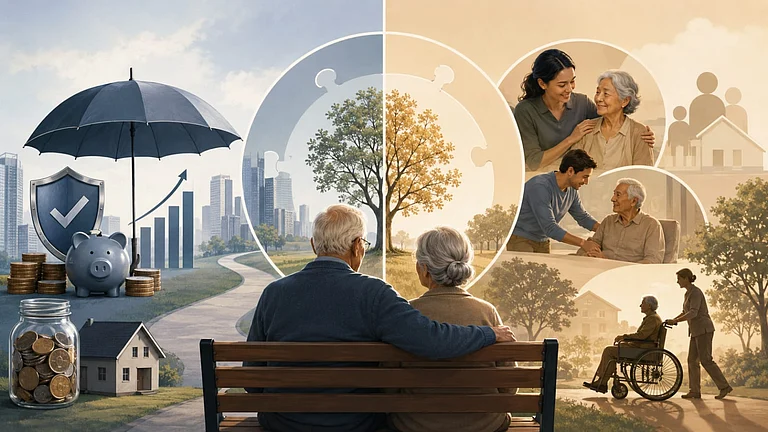
The rainfall variability and droughts are particularly devastating for agricultural households, whereas floods and cyclones affect small businesses, informal work, and household income sources. This forces many elderly people to rely heavily on government assistance or family members. Even when direct losses are limited, the recurring nature of them creates a sense of persistent economic uncertainty.
Seniors As Active Participants In Climate Risk Management
According to the report, the elderly are not just passive victims, but play an active role in managing climate risks. They use varied coping strategies to these hazards, such as remaining indoors and increasing water intake during heatwaves, temporarily relocating to safer ground in the face of a flood, or using water conservation measures in drought-stricken areas.
Per the report, besides immediate coping, many have actively adapted to their changing environment by modifying their housing, improving water shortage, and altering work patterns. It indicates that a high adaptive capacity, significant learning, and preparedness are among them. And more importantly, this brings notice to the finding that older persons are active participants in building resilience instead of remaining recipients of aid.

Power Of The Resilience Ecosystem
The ability to recover from a climate event is heavily dependent on the available support system. The report finds that family support remains the most critical source of resilience, much more than savings, assets, and government programs. While formal institutions play an important role, the informal networks remain the primary source to support resilience.
Frontline health workers, including ASHAs, serve as a vital layer of protection, especially for those with chronic illnesses or mobility limitations. Further, the early warnings regarding climate change through various modes, including media, local government, and community networks, also help in household preparedness.
The report shows that climate risk is not a one-size-fits-all experience. And resilience is not distributed equally. Instead, it is shaped by a combination of health, poverty, and social status. Higher resilience is linked to those with strong family support, safer housing, and better health and finances, whereas lower resilience is concentrated among those facing disadvantages, such as people who are living alone and people with impairments.
The Bottom Line
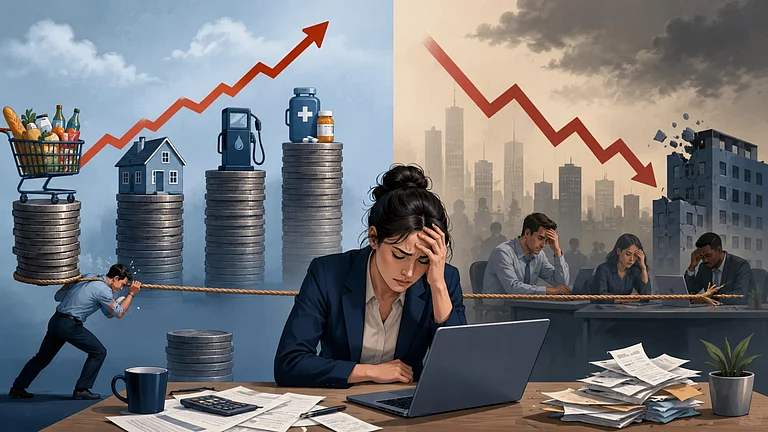
The report finds that climate risks exist for older adults, but they are resilient. However, this resilience depends on their support system, which does not need to be limited to reducing their exposure to climate hazards but also improving their healthcare support, social support, financial security, housing conditions, and access to services.
The report is based on a study conducted across 10 states (Andhra Pradesh, Bihar, Gujarat, Karnataka, Kerala, Madhya Pradesh, Maharashtra, Odisha, Tamil Nadu, and Uttarakhand). Out of an overall sample of 2,224 older persons, 2000 older persons (60 years and above) have been surveyed for quantitative data.





