Summary of this article
What most investors get wrong is that they start with the corpus and then try to fit their retirement around it.
A retired couple living in Jaipur with a paid-off home and monthly expenses of Rs 60,000 will need a very different corpus from a couple living in Mumbai, travelling frequently and spending Rs 2 lakh a month.
Retirement planning becomes significantly easier once investors stop asking, "How much money should I have?"
Most Indians approach retirement planning with a number already in mind – Rs 5 crore, Rs 10 crore, Rs 15 crore, and so on. The number usually comes from a conversation with a friend, a social media post, or a financial headline. It sounds large enough to feel safe and achievable enough to feel realistic.
The problem is that retirement does not work backwards from a number. It works forward from a lifestyle.
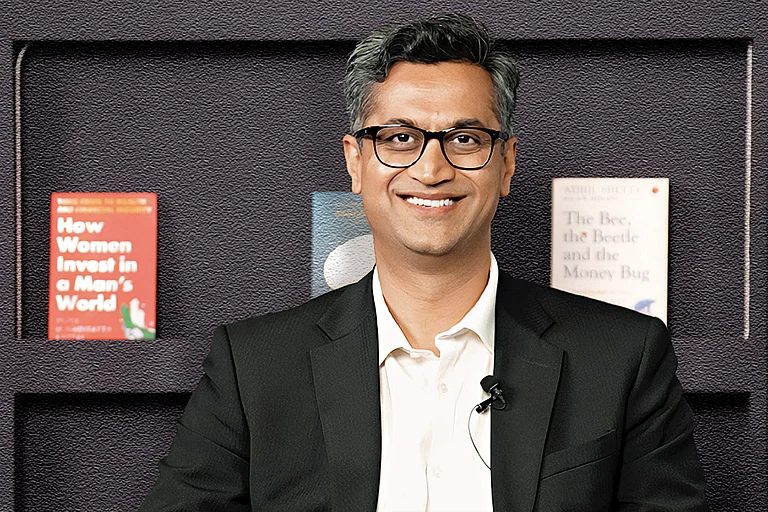
Says Sanjiv Bajaj, joint chairman and MD, Bajaj Capital: “What most investors get wrong is that they start with the corpus and then try to fit their retirement around it. The correct approach is the opposite. First define the life you want after retirement. The corpus requirement emerges from that exercise.”
Why There Is No Universal Retirement Number
The idea that everyone needs Rs 10 crore for retirement is one of the most persistent myths in personal finance. A retired couple living in Jaipur with a paid-off home and monthly expenses of Rs 60,000 will need a very different corpus from a couple living in Mumbai, travelling frequently and spending Rs 2 lakh a month.
Retirement adequacy depends on five variables:
Monthly expenses
Retirement age
Life expectancy
Inflation
Expected returns during retirement
Change any one of these, and the required corpus changes dramatically.

Start With Expenses
Financial planners generally begin by estimating retirement expenses in today's terms. For example:


Many people underestimate this step because they assume expenses fall after retirement. Some expenses do decline. Equated monthly instalments (EMIs) disappear, work-related costs reduce, but costs on healthcare, travel and lifestyle spending often rise.
“Retirement is not necessarily a low-spending phase. In fact, the first decade after retirement is often when people spend the most on experiences, travel and personal pursuits,” adds Bajaj.
The Healthcare Factor
One of the biggest gaps in retirement planning is healthcare. Medical inflation in India continues to grow faster than general inflation. A hospitalisation that costs Rs 5 lakh today could cost more than Rs 15 lakh twenty years from now. This is why retirement planning cannot rely on a single inflation assumption. Healthcare needs separate planning, both through insurance and dedicated savings.
The Real Question
The real question is: What is enough for the life you want to live? For some families, Rs 5–7 crore may comfortably fund retirement. For others, even Rs 15 crore may prove inadequate.
“The goal is not to chase a headline number. The goal is to create a retirement income that sustains your lifestyle, protects you against inflation and healthcare costs, and gives you financial independence for as long as you live.” says Bajaj.
Retirement planning becomes significantly easier once investors stop asking, "How much money should I have?" and start asking, "What kind of retirement do I want?"
That’s because the retirement corpus is not the starting point of the calculation, but the answer.