





Summary of this article
Festive offers can make it hard to resist an extra purchase. But think about how you will pay for it before you reach for your card.
Paying from savings may be the easiest way out, while borrowing can leave you with bills to clear long after the festive season is over.
Easy EMIs may look tempting, but make sure you can manage the monthly payments without cutting back on your regular expenses.
Festive shopping often comes with a long wish list. There may be a phone to upgrade, a holiday to plan, gifts to buy or a home that needs a makeover. The trouble is that festive discounts and easy EMI offers often make it difficult to stick to a budget. Before you swipe your credit card or borrow money, take a moment to think about how you will pay for these purchases and whether the expense will leave you struggling with your regular bills in the months ahead.
The answer depends on how much you have saved, how regularly you earn and how quickly you can repay the money. Savings, credit cards and personal loans each have their place, but choosing the wrong option can make an otherwise enjoyable festive season expensive.
Savings: The Cheapest Way To Pay
If you have been setting aside money for a planned purchase, using those savings is generally the simplest and cheapest option. There is no interest to pay, no EMI to worry about and no repayment obligation hanging over the coming months.
However, dipping into savings does not mean spending everything available in your bank account. You should first account for regular expenses, upcoming financial commitments and emergency needs. Using money meant for medical emergencies or other unexpected situations to fund festive shopping can leave you financially vulnerable.
Kundan Shahi, Founder and CEO of Zavo, a RepayTech platform, says savings remain the easiest and most economical way to meet festive expenses. However, he cautions against treating an emergency fund as a shopping corpus.

Credit Cards: Useful, But Only If You Pay In Full
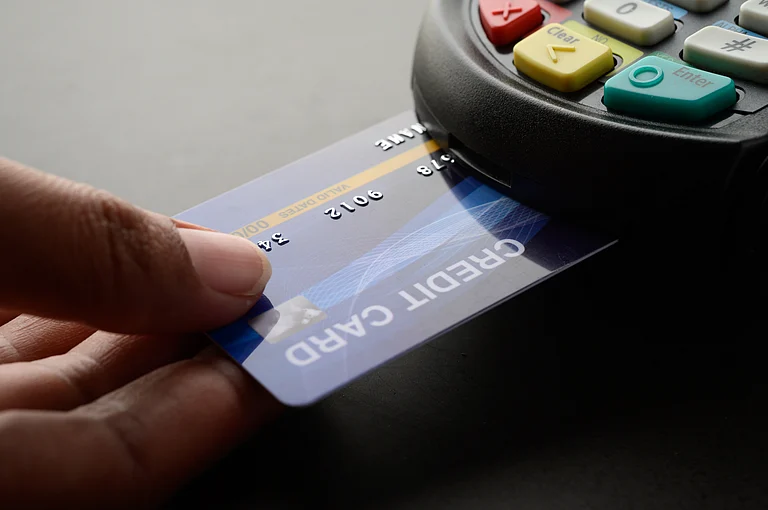
Credit cards are a popular choice during the festive season, particularly because retailers and banks offer discounts, reward points, cashback, and no-cost EMI schemes.
“They can work well for purchases that you can afford but want to pay for a little later. Most credit cards offer an interest-free period of up to 45 days, provided the entire billed amount is paid by the due date. This gives you some flexibility without adding to the cost of the purchase,” says Shahi.
The problem starts when you cannot clear the outstanding amount. Interest on unpaid credit card balances can be steep, with annualised rates often reaching 36-48 per cent. Paying only the minimum amount due may keep the account from becoming overdue, but interest continues to accumulate on the remaining balance.
Shahi says credit cards are best suited for short-term spending. Cashback and reward points can make a purchase attractive, but these benefits can quickly lose their value if you carry forward the outstanding balance.
One way to use a credit card sensibly is to make a purchase only when you already have enough money set aside to pay the bill in full. This allows you to take advantage of an offer without turning a festive purchase into long-term debt.
Personal Loans: Consider Them For Bigger Expenses
A personal loan can be an option if you have a big expense to meet and don’t want to repay the entire amount at once. You can spread the repayment over a longer period, usually 12-60 months. Credit cards, on the other hand, are better suited to shorter-term spending, provided you clear the outstanding amount on time.
Personal loans also tend to carry a lower rate of interest than credit card balances that remain unpaid. But don’t assume that a lower rate means a loan is cheap. Check the rate of interest, processing fee, and any prepayment or foreclosure charges. More importantly, look at how much you will end up paying by the time the loan is fully repaid.
Shahi says personal loans are more suitable for big-ticket purchases that require a longer repayment period. But borrowers should look beyond the EMI and understand the overall cost of borrowing.
Taking a loan for a discretionary purchase also means committing a part of your future income to something you may have stopped thinking about a few months later.
Young Consumers Need To Be Extra Careful
For younger buyers, the choice of payment method needs another layer of consideration. An 18-year-old dependent on a monthly allowance, a college student earning an internship stipend and a young professional drawing a regular salary may all have very different spending capacities.
Bhargav Errangi, founder of POP, a rewards-first consumer platform, says young consumers should consider not just how much they want to spend, but also how reliably they can meet the repayments.
A student, for instance, may have to manage commuting costs, meals, mobile bills and college expenses from a limited allowance. A working professional may have rent, utility bills and other household commitments to consider. The amount lying in a bank account may, therefore, be much less than what is actually available for shopping.
Errangi says that savings and credit cards can work together when used carefully. Someone who has already saved enough to buy a phone, for instance, can use a credit card to avail of a discount and clear the entire bill using the money set aside for the purchase.


He, however, cautions against carrying the balance forward. The interest charged can wipe out the savings from a festive offer.
“Personal loans need even greater scrutiny when the repayment depends on an allowance or temporary income. An internship stipend may stop when the internship ends, while freelance earnings can vary from month to month.
Borrowers should consider the total repayment obligation and whether they can continue paying the EMI if their income changes,” says Errangi.
Are Short-Term Instalment Plans A Better Option?
For those who do not want to pay the entire amount upfront, short-term instalment plans can offer another way to spread out expenses.
“For instance, Pay in 3 options allow eligible purchases to be divided into three instalments. This can help manage expenses when several purchases fall around the same time. However, smaller instalments should not be mistaken for smaller expenses. A monthly payment of Rs 2,000 may appear manageable on its own. But three such commitments across different purchases mean an outgo of Rs 6,000 every month,” he says.
Errangi advises young consumers to account for all their instalments together rather than assessing each purchase separately. They should also check applicable charges, payment dates, and repayment conditions before opting for such facilities.
Set A Festive Budget Before You Start Spending
The easiest way to avoid a post-festive financial squeeze is to decide how much you can spend before the shopping begins. Make a list of planned purchases, gifts, travel and celebrations, and work out how much money is available after meeting essential expenses and existing commitments.
Do not base spending decisions on a bonus that has not arrived, a higher allowance expected next month, or an internship that may be extended. Only count income that you can reasonably depend on.
There is no single payment method that works for everyone. Savings are usually the first choice, credit cards can offer short-term flexibility when bills are cleared in full, and personal loans may help fund larger expenses that can comfortably be repaid over time.
The important thing is not to let festive offers decide how much you spend. A purchase should fit your finances even after the celebrations are over.





