







Summary of this article
IIT-Patna's study highlights that depression affects one-third of the elderly in rural Bihar, with women facing higher rates. Strong social networks with relatives and friends help reduce depression, while children's networks are less effective due to migration
Physical health issues in old age are evidently visible, but mental health issues remain under the surface. Many a time, disguised as behaviour, such as societal withdrawal, calmness, and so on. According to the recent study, titled Social Networks and Mental Health: A Study of Older Adults in Rural Bihar, India, by IIT-Patna, one in three older adults suffers from depression in rural areas of Bihar. The study took the data from the Longitudinal Ageing Study in India (LASI) with a sample of 1255 elderly (aged 60 years and above) in rural Bihar. It observed gender disparity in the depression rates, with 38.49 per cent of rural women suffering from depression compared to 30.76 per cent of men.
The study reveals that social networks play a crucial role in keeping individuals away from depression. To better understand, the study divided the social connections into four categories: children’s network, relatives’ network, friends’ network, and confidant network, to find the impact of social connections on the mental health of the elderly. It found that a strong network with relatives and trusted confidants significantly helps protect senior citizens from depression.
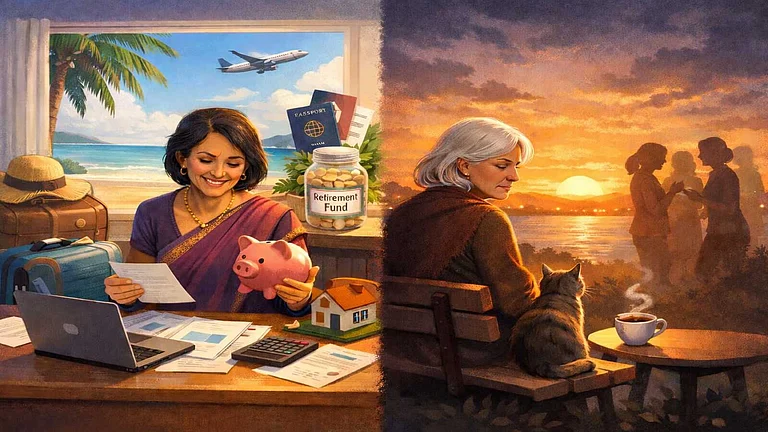


The study highlights that the higher rate of depression among elderly women could be due to certain reasons. The study reflects women’s likely widowhood due to longevity, lower educational levels, lower financial independence, and demanding caregiving responsibilities they carry into their old age.
There have been several studies that show that economic vulnerability leads women to even suffer abuse in old age, adding distress to their mental health.
The study highlights that 44.4 per cent of the elderly living alone experience social isolation, causing depression. Around 39.94 per cent of those ‘currently not married’, and 33.99 per cent of those living with a spouse and children, suffer depression. Elderly with lower levels of education (37.21 per cent), possibly due to reduced cognitive stimulation and less opportunity for social interaction.
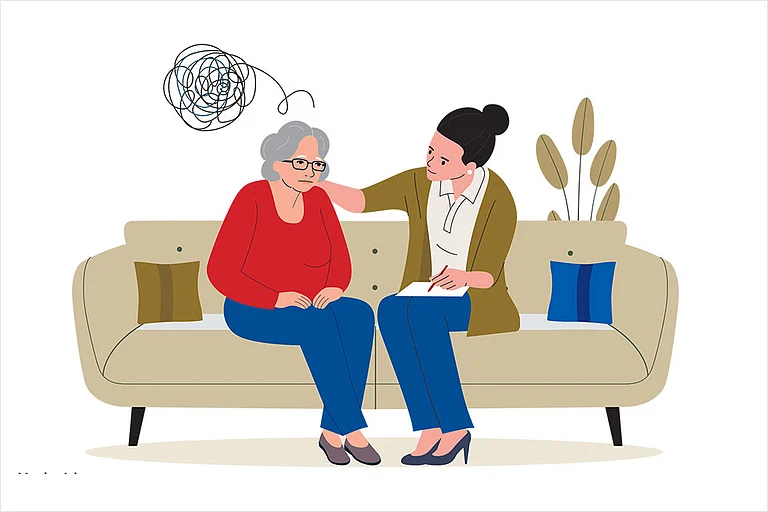
Those in the ‘currently not working’ stage suffer more (36.48 per cent) compared to those who reported ‘currently working’ with 32.31 per cent, experiencing depression. Economic status affects mental health significantly in old age. The study finds that around 38 per cent of the older adults in the poorest and approximately 40 per cent in the middle quintile suffer from depression compared to around 28 per cent in the richest quintile.
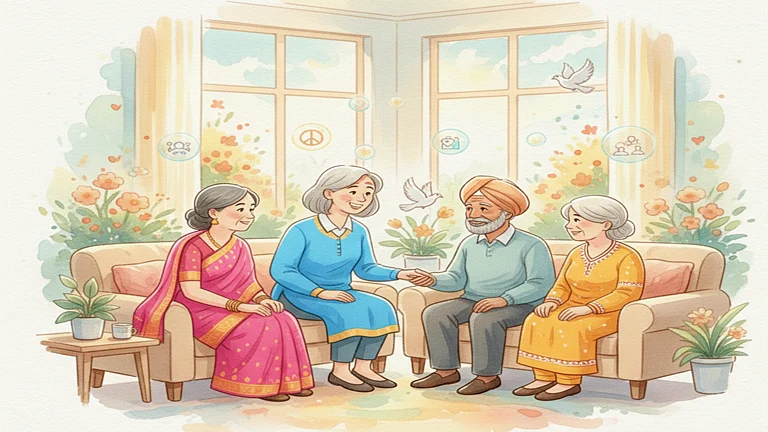
Per the study, social connections can significantly help. According to the study, while the relative and confidant network helps keep depression at bay among the elderly, the children’s network, interestingly, is not significant. The study didn’t find a link between depression and children’s network, suggesting that the family network is vital, but children’s network in particular does not have a bearing on the elderly’s depression. It is possibly due to the migration trend among children in search of education or work outside Bihar, and no face-to-face contact with parents.
The study suggests that friendship plays an important role in promoting well-being in the absence of family support. Friends offer companionship and support. Older adults with a small group of friends have a higher rate of depression (35 per cent) compared to those with a larger group of friends (19 per cent).
The community-based centres could be used to encourage peer interaction, elderly participation in recreational and physical activities, and add to knowledge sharing and well-being. The village committees or self-help groups could be utilised to facilitate cultural events, peer-support sessions, etc., suggests the study.





